Care, explained
Brittle nails in winter: what the medical sources say to do
Water, washing and age are the causes the sources name. The advice is mostly moisture and gloves. On winter, they say much less than you might expect.
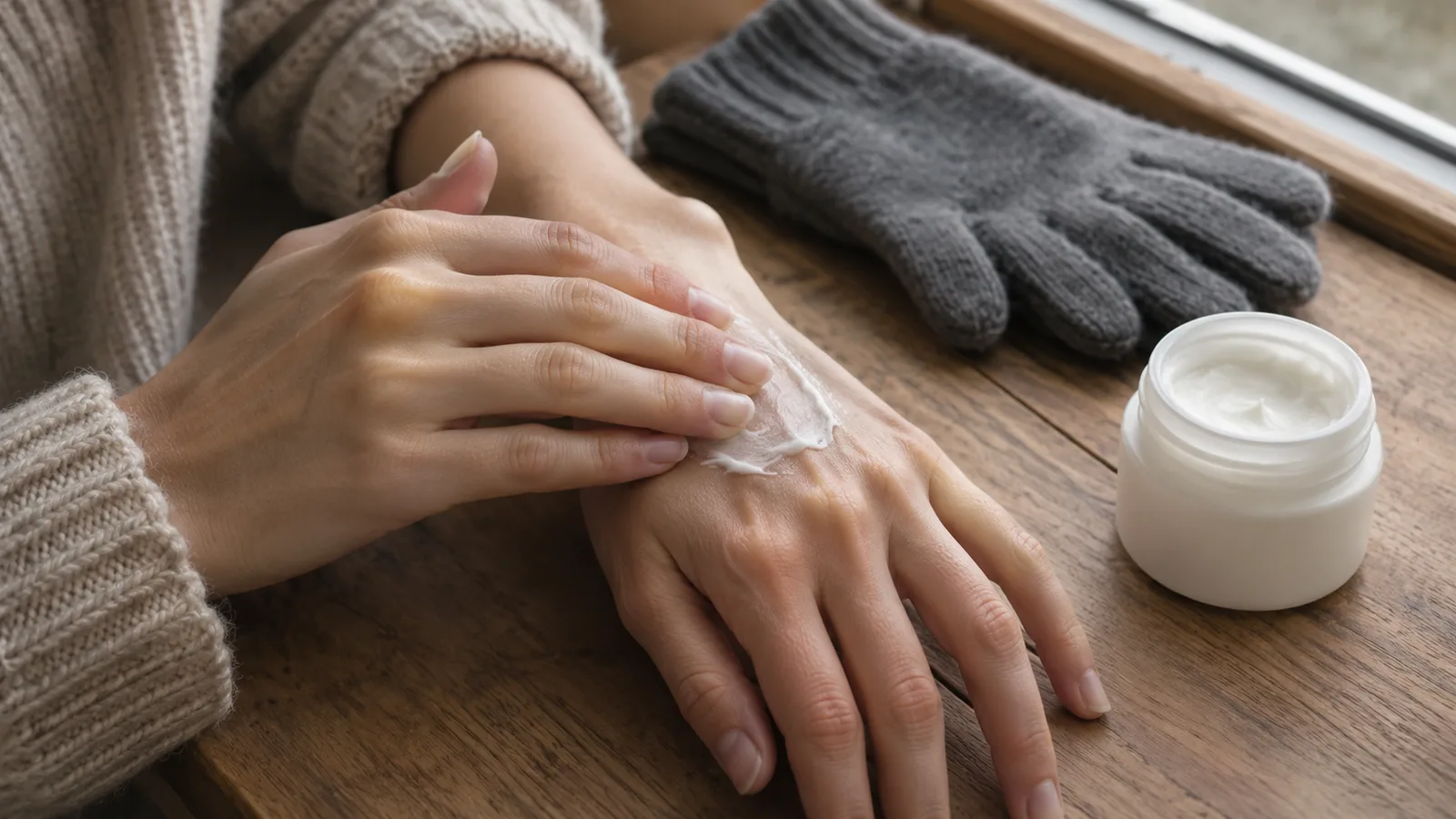
Nails that split, peel and snap tend to get your attention when one catches on a sleeve and tears. We read the main medical pages on the problem to see what they agree on, and found less about the season than the headline suggests.
What the sources say about winter
Cleveland Clinic is the only source we read that links dry nails to the season. It advises avoiding gel manicures in the winter, when nails are driest.[7] It also lists dry air, water and sanitisers among the things nails are exposed to.[7] The NHS page on nail problems mentions no winter, cold or humidity link.[1] We found none in the AAD, MedlinePlus or review pages either.[2],[3],[4],[8],[10] So we cannot tell you that cold weather causes brittle nails. The causes below are the ones the sources name.
What wears nails down
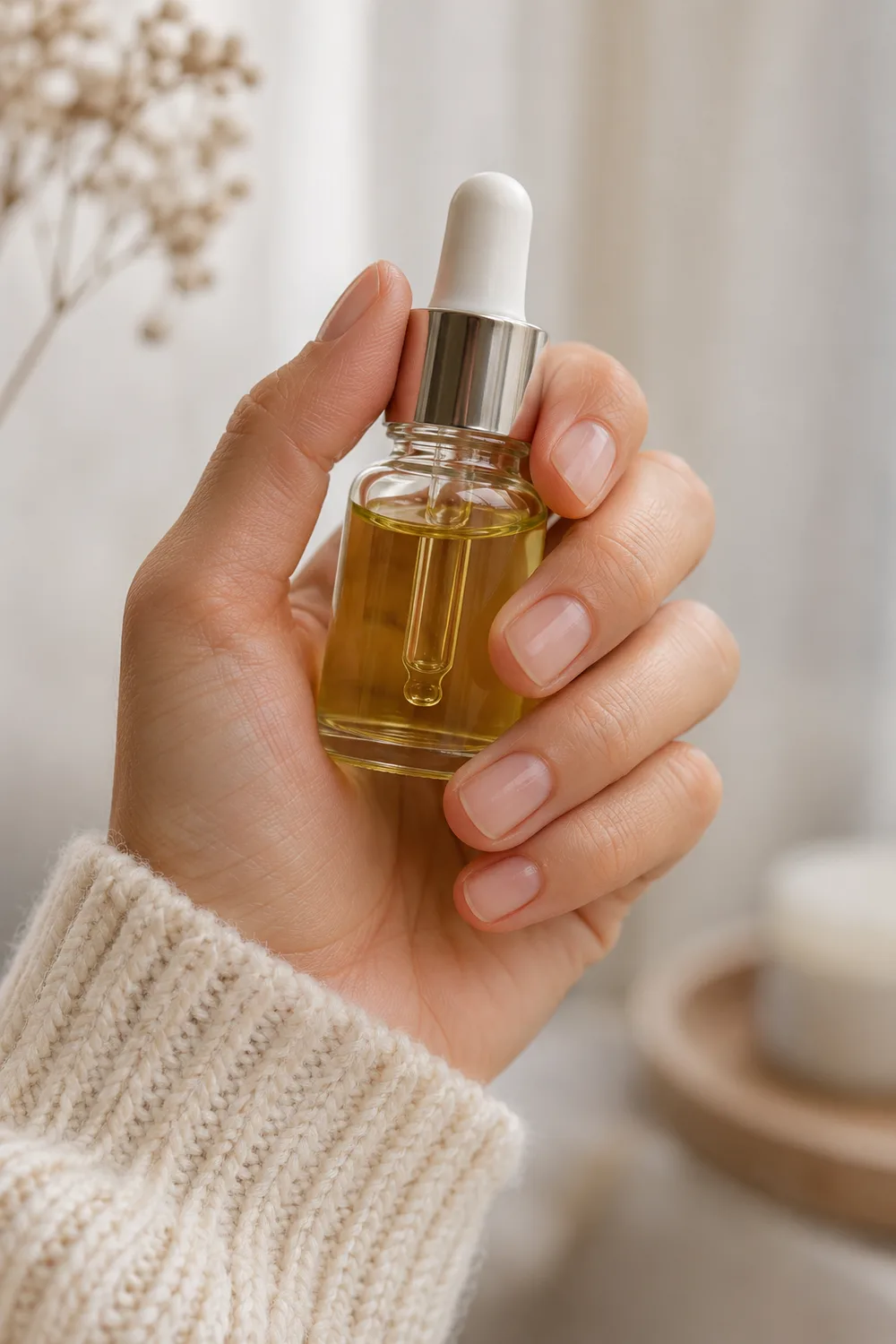
Water comes up most. The NHS lists hands often being in water or cleaning products among the causes of nail problems.[1] A 2019 review says repeated wetting and drying of the hands leads to fractures between nail cells, and that the splitting pattern is typical of people who wash their hands often.[10] Cleveland Clinic says constant washing and sanitising can dry nails out and make them brittle, and that nails lose water faster than skin does.[6] The review also names occupational exposure to solvents.[10]
Age is the other one. The NHS says nails can become thicker or break more easily as you get older,[1] and MedlinePlus calls brittle nails often a normal result of ageing.[8] Cleveland Clinic adds that even removing regular nail polish can damage the nail. It does not name acetone as a cause, and no other page we read does, so we left remover choice out of the advice below.[6]
The sources are firm about water, gloves and moisturiser, and nearly silent about the season.
What to do
- Moisturise. The NHS says to apply hand cream to your nails and fingertips regularly, and the American Academy of Dermatology (AAD) says to moisturise after hand washing.[1],[2] Cleveland Clinic suggests heavy hand cream at bedtime,[7] and a nail conditioner with lanolin or a layer of petroleum jelly over the hands.[6] The review calls nail moisturisers useful in brittle nails.[10]
- Wear gloves. The AAD says to wear gloves when cleaning or washing dishes.[2] The review suggests cotton gloves under vinyl ones for wet work.[10]
- Keep nails short. The review says dehydration is faster if nails are not kept short.[10]
- File snags. The AAD says to keep nails shaped and free of snags with an emery board.[2]
Nail hardeners and strengtheners exist, and the review describes them.[10] None of the pages we read says whether they work or warns against them, so we have no verdict.
Gel, dip and artificial nails
The AAD says gel nails can cause brittleness, peeling and cracking, and that filing the natural nail for acrylics thins it and makes it weaker. It adds that frequent touch-ups can seriously damage natural nails, and advises reserving artificial nails for special occasions.[3] Of dip powder, it says the manicure peels off layers of nail and thins the nails over time, and advises waiting one month before another.[4] If you take gel off at home, our removal guide follows the AAD's steps.
Biotin
Biotin is the supplement people reach for, and the evidence is thin. The review says the studies were small and not well controlled.[10] Cleveland Clinic quotes a dermatologist recommending a daily supplement of about 5,000 micrograms, but the article cites no study.[6] The AAD says to check with a doctor before starting any supplement for skin, hair and nails, and that biotin deficiency is rare.[5]
Biotin can also upset blood tests. An FDA page on troponin tests says "biotin interference caused falsely low troponin results."[9] The AAD's supplements page warns more generally that high doses can lead to inaccurate lab results.[5]
When it may be something else
Cleveland Clinic says brittle nails usually do not need a doctor visit. It lists grooving or separation of the nail plate, or redness and swelling of the nail folds, as reasons to go.[6] MedlinePlus lists peeling or painful nails among the reasons to see a provider.[8] The NHS says nail problems can sometimes be a symptom of a more serious or long-term condition, thyroid disease among them, and says skin around the nail that is sore, red, swollen and warm needs a GP.[1]
On causes, MedlinePlus says thyroid diseases may cause brittle nails.[8] Cleveland Clinic says they can be an early sign of a thyroid condition, and that fragile nails may mean you are not getting enough protein, iron or vitamin B.[6] Spoon-shaped nails, which curve inwards, are associated with iron-deficiency anaemia.[1],[8] Our nail changes table covers the rest, and how long a nail takes to grow back covers the wait.
Sources
- NHS, Nail problems, checked 24 November 2026.
- American Academy of Dermatology (AAD), 11 dermatologists' tips for healthy nails, checked 24 November 2026.
- AAD, Artificial nails: dermatologists' tips for reducing nail damage, checked 24 November 2026.
- AAD, Dip powder manicure, checked 24 November 2026.
- AAD, Supplements: debunking common myths, checked 24 November 2026.
- Cleveland Clinic, Brittle nails: causes and treatment, checked 24 November 2026.
- Cleveland Clinic, Brittle nails: 5 tricks to keep your tips in top form, checked 24 November 2026.
- MedlinePlus, Nail abnormalities, checked 24 November 2026.
- FDA, Biotin interference with troponin lab tests, checked 24 November 2026.
- Peer-reviewed review of brittle nails, Dermatologic Therapy, 2019, checked 24 November 2026.
Keep reading
Care, explained
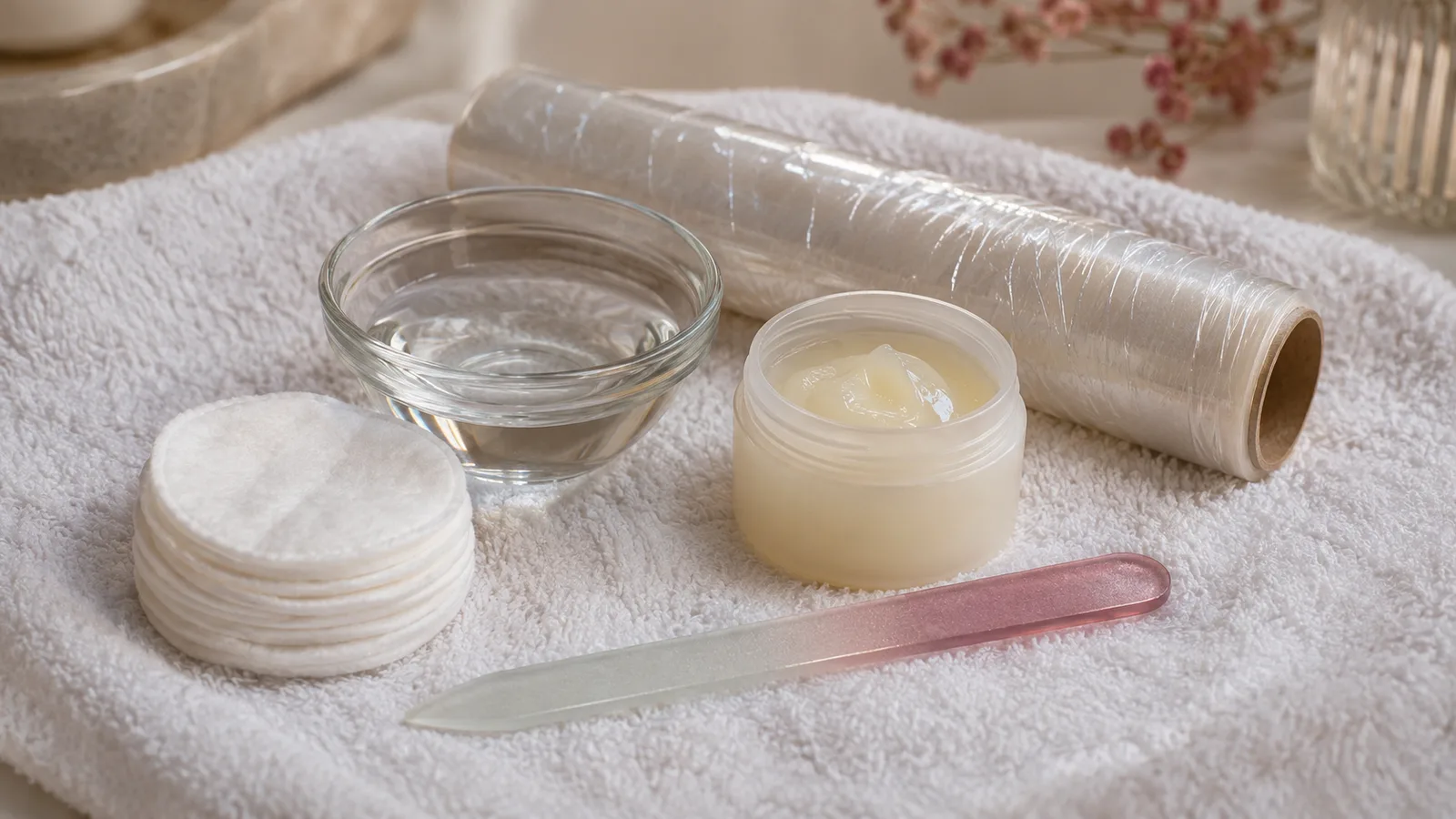
How to remove gel polish at home without wrecking your nails
Acetone, cotton and plastic wrap will do it. The dermatologists' advice is as much about what to leave alone as what to do.
Care, explained
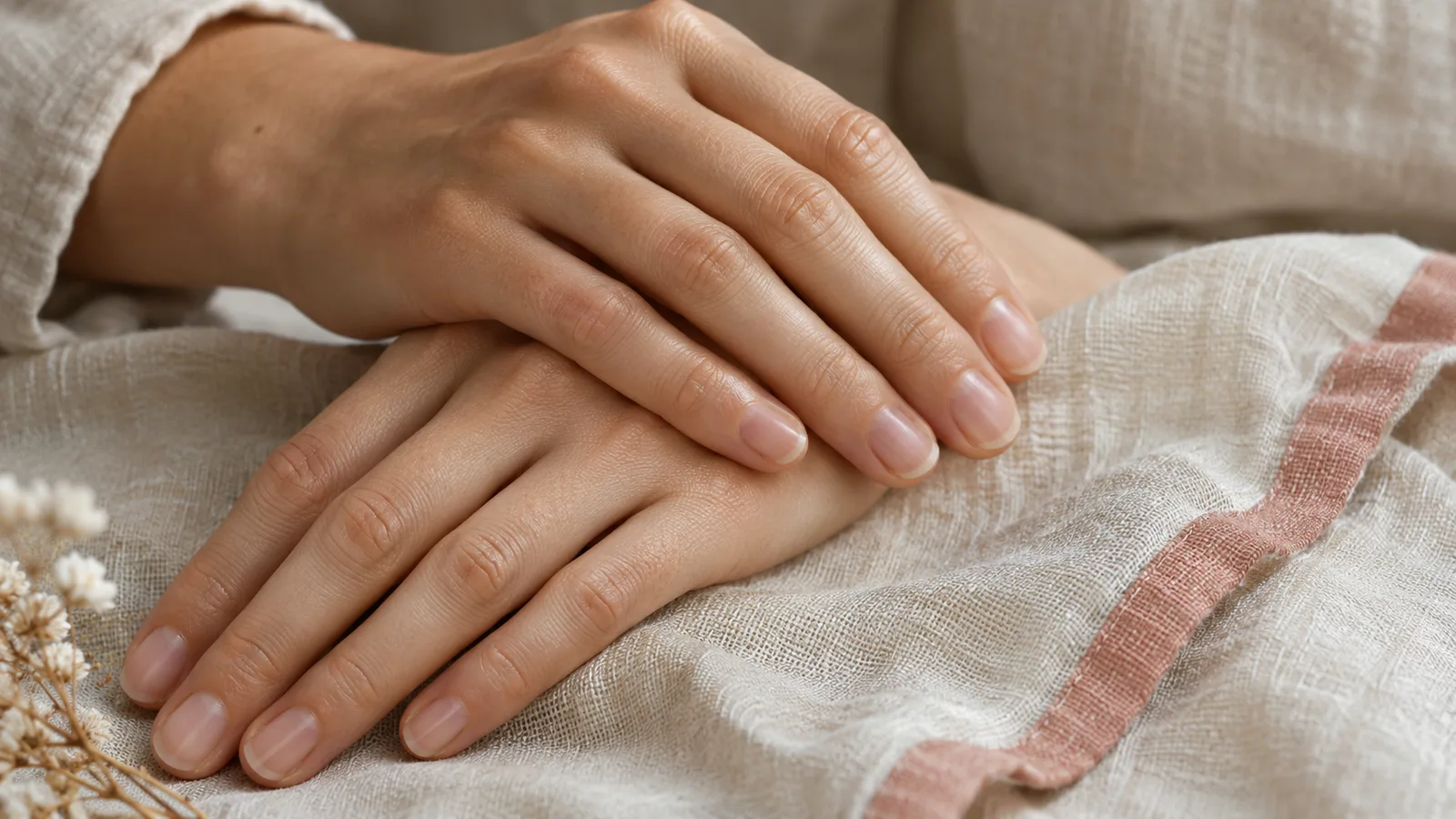
Nail changes, and when to show a doctor
Most nail oddities are harmless, and a few are worth a doctor's time. Two named sources, the AAD and the NHS, say what each change can mean, set side by side.