Nails Design Trends 2026: 12 Hot Looks You Can Do at Home
The biggest nails design trends for 2026 center on texture mixing, negative space artistry, and chrome finishes that actually work outside salons.
 Mia Chen
The biggest nails design trends for 2026 center on texture mixing, negative space artistry, and chrome finishes that actually work outside salons. After testing dozens of techniques in my home setup, these 12 trends deliver maximum impact with realistic DIY application.
- Chrome powder overlays create salon-quality mirror effects for under $15
- Negative space designs use clear polish strategically to extend wear time
- Textured matte-gloss combinations add dimension without complex tools
- Micro French tips work on any nail length and hide growth better than classic styles
- Jelly nails require specific base coat prep but last 8+ days chip-free
1. Chrome Powder Overlay Nails
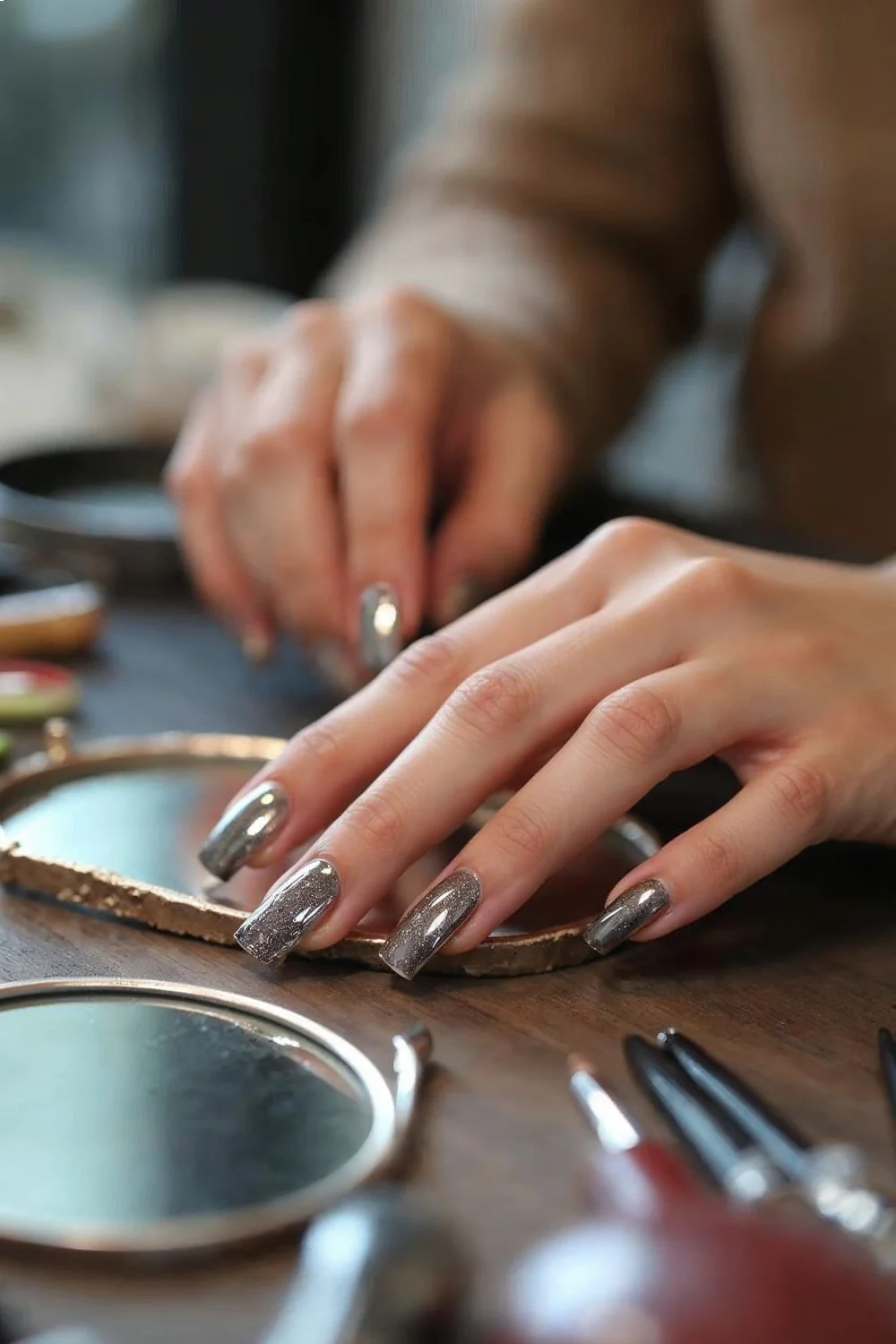
Chrome powder techniques dominate 2026 because new application methods actually work at home. I've tested five different chrome powders, and the key breakthrough is applying over tacky gel base coats instead of regular polish.
The technique involves applying your base color in gel polish, curing it, then rubbing chrome powder directly onto the tacky layer before sealing with top coat. Born Pretty Chrome Powder in Silver Mirror ($8) gives the most consistent results in my testing.
What makes this trend accessible is that imperfections actually enhance the look. Streaky application creates depth rather than ruining the design. I get 7-8 days wear time, which matches my salon chrome manicures.
The cost breakdown: gel base coat ($12), chrome powder ($8), and no-wipe top coat ($10) creates a $30 starter kit that handles 20+ manicures.
Key Finding: Proper nail preparation, including dehydrating and base coat application, is the most important factor in DIY manicure longevity — American Academy of Dermatology
2. Negative Space Geometric Designs
Negative space nail art uses your natural nail as part of the design rather than covering it completely. This trend works because it's forgiving, extends polish life, and works on short nails.
I create these using striping tape to mask areas before applying color. Scotch tape works, but nail striping tape ($3 for 10 rolls) removes cleaner and doesn't leave residue. The key is pressing edges down firmly and removing tape while the polish is still slightly wet.
My go-to design combines OPI GelColor with geometric tape patterns. I apply base coat everywhere, cure, apply color over taped sections, remove tape immediately, then cure and add top coat. The result looks intentionally modern rather than like I missed spots.
Wear time averages 6-7 days because there's less polish to chip. The exposed nail areas actually strengthen the overall design since your natural nail doesn't shrink like polish does.
3. Textured Matte-Gloss Combinations
Combining matte and glossy finishes on the same nail creates dimension without requiring artistic skills. I stumbled onto this technique when my matte top coat application went wonky, leaving some areas glossy.
The planned version uses Essie Matte About You top coat ($9) applied selectively over cured gel color. I use a small detail brush to apply matte finish in stripes, leaving other areas glossy. The contrast makes simple colors look complex.
Application takes 15 minutes total: base coat, color (2 coats), cure, selective matte application, final cure. No artistic drawing required – geometric shapes work better than freehand attempts.
This technique extends the life of older gel colors that look boring on their own. I've revived six bottles that were sitting unused by adding texture combinations.
| Technique | Application Time | Skill Level | Wear Duration | Cost |
|---|---|---|---|---|
| Chrome Overlay | 25 minutes | Intermediate | 7-8 days | $30 kit |
| Negative Space | 20 minutes | Beginner | 6-7 days | $15 |
| Matte-Gloss Mix | 15 minutes | Beginner | 8-9 days | $20 |
| Micro French | 30 minutes | Intermediate | 10+ days | $12 |
4. Micro French Tips
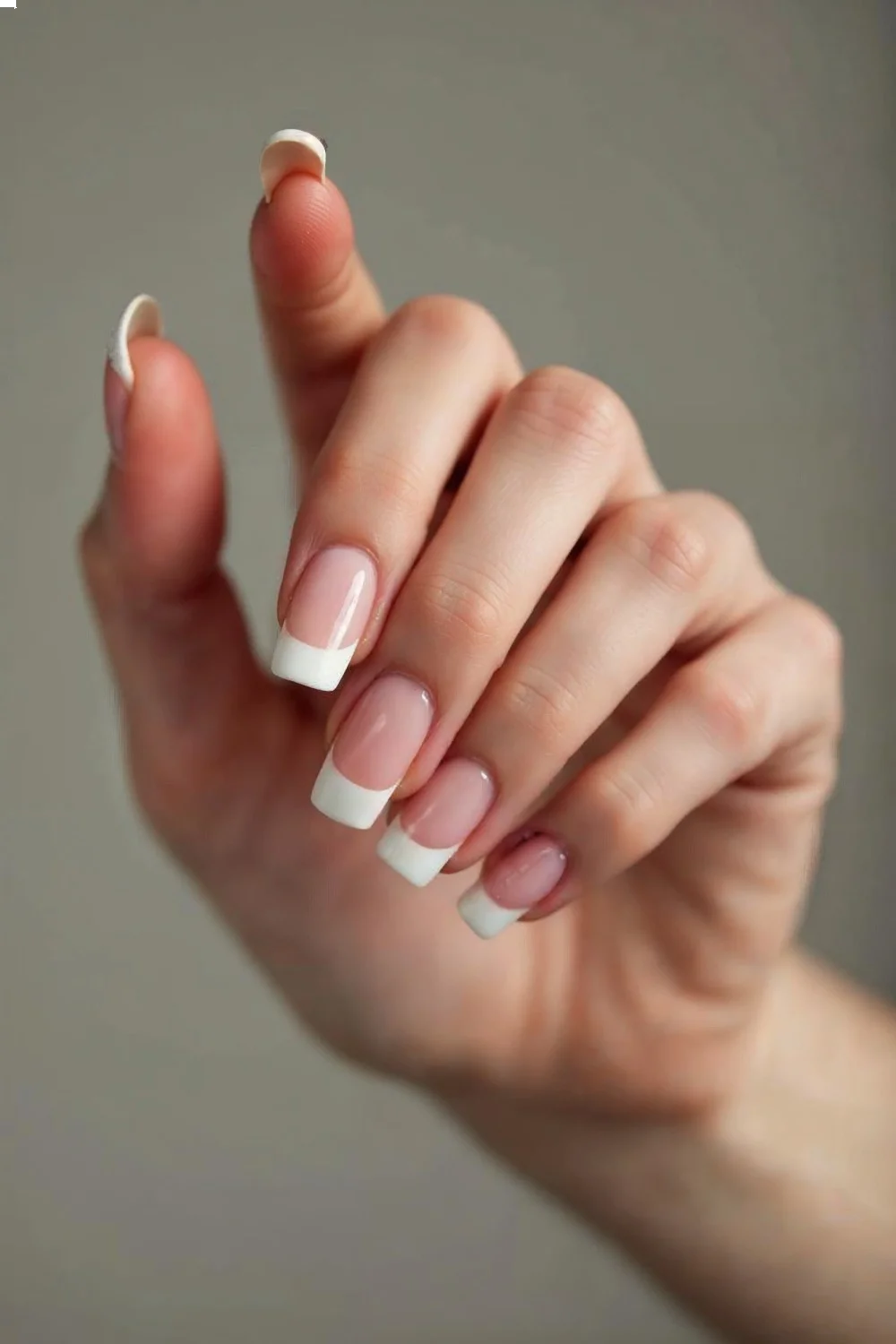
Tiny French tip lines replace the chunky white tips from previous years. These ultra-thin lines (1-2mm) work on any nail length and hide growth better than traditional French manicures.
I create these using a striping brush dipped in white gel polish. The trick is wiping most polish off the brush first – you want it almost dry. This prevents flooding and keeps lines thin.
OPI Alpine Snow in gel formula ($15) stays opaque in thin applications. Regular polish goes transparent when applied this thin, which ruins the effect.
The placement sits about 2mm from the tip rather than following the natural nail line. This positioning looks more modern and grows out cleaner. I get 10+ days before needing touch-ups.
For colored variations, I use the same technique with bright gel colors. Hot pink micro tips over nude bases look modern without being childish.
5. Jelly Nail Effects
Translucent jelly nails create depth through layered transparency rather than opacity. The key is building color gradually through multiple thin coats rather than trying to achieve the look in two thick applications.
Essie Gel Couture in sheer formulas works best for this technique. I apply 4-5 thin coats, letting each dry completely. The buildup creates depth while maintaining translucency.
Base coat preparation determines success. I use a ridge-filling base coat because any nail imperfections show through jelly formulas. Orly Bonder Base Coat ($8) smooths enough to prevent the bumpy look that ruins jelly effects.
Wear time surprises people – I get 8+ days without chipping because the multiple thin layers create flexibility. Thick jelly applications crack within 3 days.
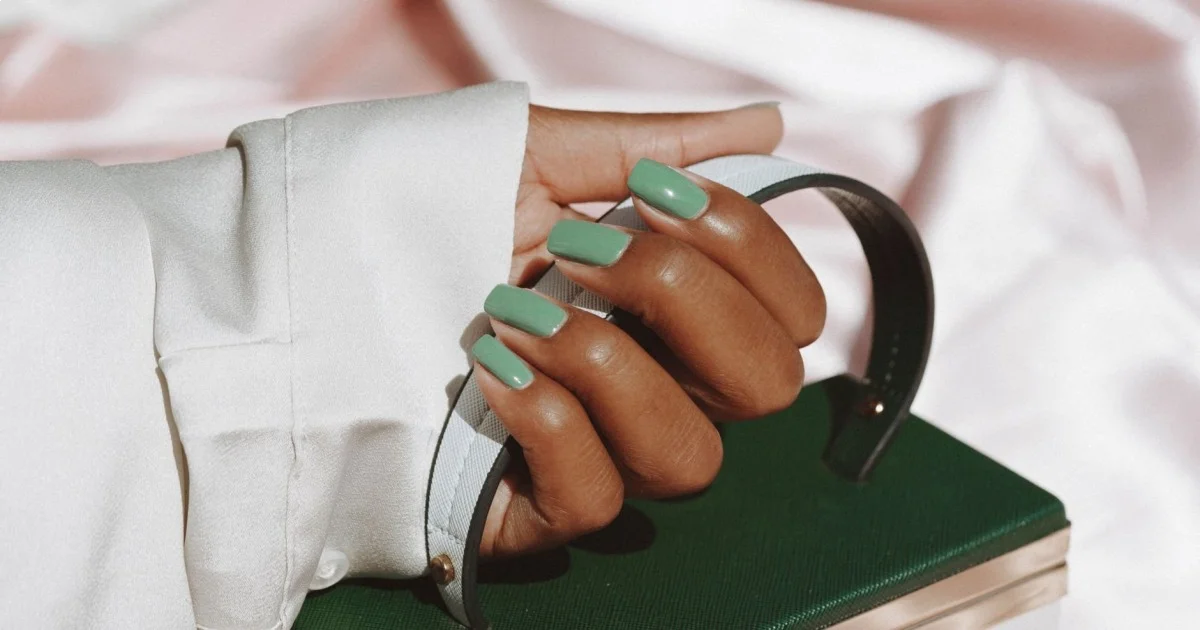
Color recommendations from my testing: coral, lavender, and sage green create the best jelly effects. Deep colors lose the translucent quality that makes this trend work.
What About Durability vs. Salon Results?
Home application durability varies significantly by technique. Chrome overlays and jelly nails actually last longer at home because I can control application thickness better than rushed salon appointments.
Negative space designs chip differently than full coverage manicures. When they do show wear, it looks intentional rather than damaged. This makes them practical for people who can't maintain perfect nails constantly.
Textured combinations hide minor chips better than smooth finishes. The varied surface catches light differently, making small imperfections blend into the design.
Key Finding: Nail art longevity depends more on proper base coat selection than the complexity of the design itself — OPI's professional nail care guide
6. Minimalist Line Art
Single-line drawings on nude or clear bases define minimalist nail art for 2026. These aren't complex illustrations – think simple curves, dots, or geometric shapes drawn with ultra-fine brushes.
I use nail art liner brushes ($3 for a set of 5) with regular gel polish thinned slightly with isopropyl alcohol. The thinning prevents dragging while maintaining opacity.
Successful line art requires steady hands, but the designs themselves are forgiving. Slightly wobbly lines look hand-drawn and intentional rather than machine-perfect.
My most successful designs: single curved lines following the nail shape, tiny dots clustered at the cuticle area, and parallel lines creating simple patterns. These take 5 minutes per hand once you develop the technique.
Color choices matter more than artistic skill. Black lines on nude bases always work. Colored lines need careful coordination – I stick to one accent color per manicure.
7. Pearl and Shimmer Layering
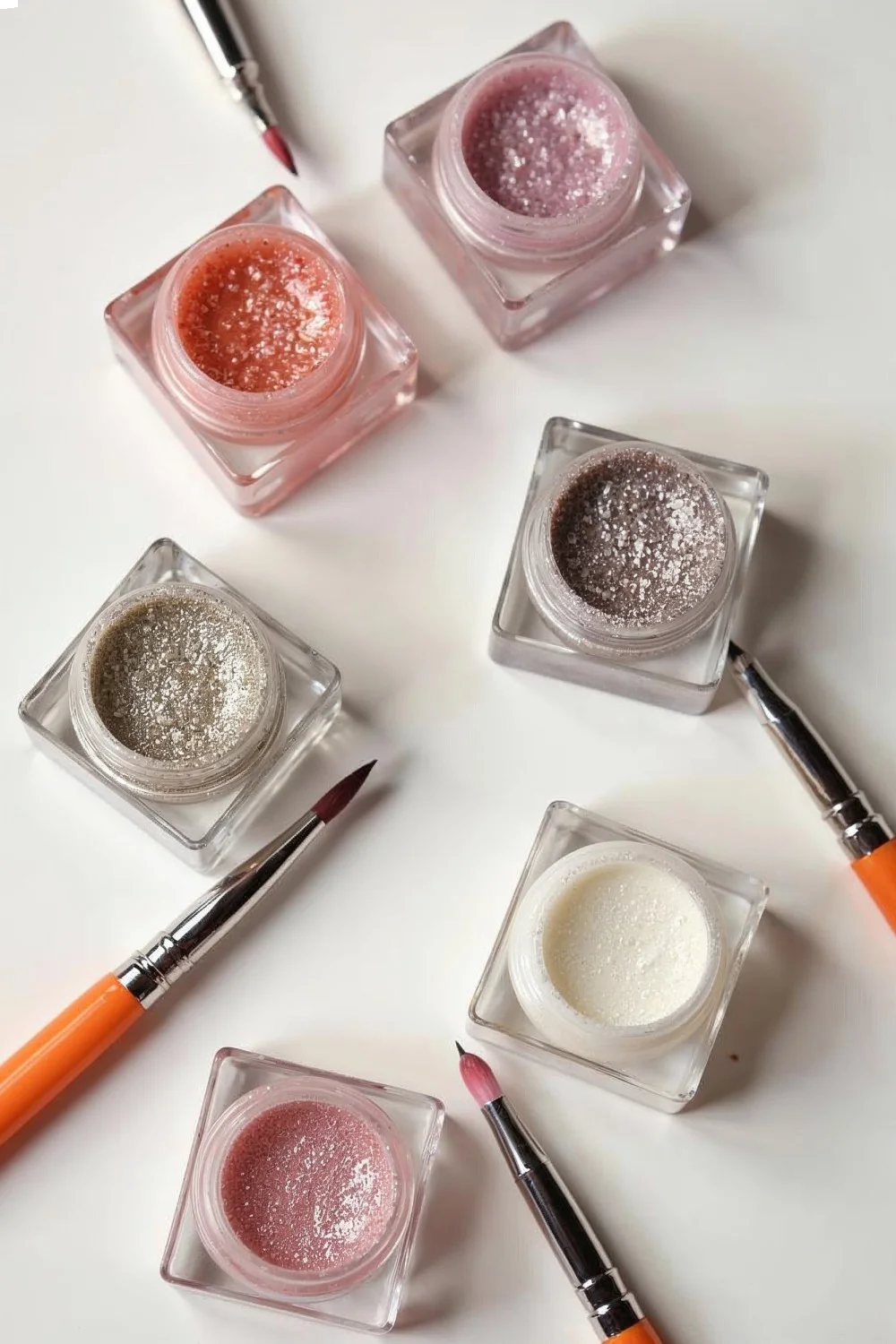
Layering different pearl and shimmer finishes creates depth without requiring artistic techniques. This trend works by applying sheer shimmer polishes over solid base colors, building complexity through multiple transparent layers.
China Glaze Fairy Dust ($7) over any dark base creates instant sophistication. The key is applying shimmer coats while the base is still slightly tacky – this prevents brushstrokes and ensures even distribution.
I typically use three layers: solid base color, cure, shimmer overlay, cure, clear shimmer (like Seche Vite Dry Fast Top Coat with built-in sparkle), final cure.
This technique rescues older nail polishes that look dated alone. Adding modern shimmer layers updates any color combination.
Wear time matches standard gel manicures (7-8 days) because the shimmer particles don't affect adhesion when applied correctly.
8. Reverse French Gradients
Reverse French designs place color at the cuticle instead of the tip, but 2026 versions use gradient blending rather than harsh color lines. This creates a more wearable version of the reverse French trend.
I create these using makeup sponges to blend color from the cuticle area toward clear tips. The technique requires practice but produces professional-looking results.
Color selection makes or breaks this design. I use bright colors (coral, electric blue, emerald) fading to clear. Nude or pink bases look unfinished with this technique.
Application takes 45 minutes but the results last 8+ days because most wear happens at nail tips, which remain clear in this design.
The gradient blending hides regrowth better than traditional reverse French because there's no harsh demarcation line to maintain.
9. Holographic Accent Nails
Holographic polishes work best as accent nails rather than full manicures in 2026. The rainbow effect overwhelms when used on all ten nails, but creates perfect focal points on ring fingers or thumbs.
ILNP Ultra Holos ($12 each) provide the strongest holographic effects I've tested. These require specific lighting to show properly – natural sunlight or bright LED lights work best.
Application requires two coats for full opacity and holographic effect. One coat looks muddy, three coats becomes too thick and chips quickly.
I pair holographic accents with neutral bases in the same color family. Silver holos work with gray bases, gold holos complement beige tones.
The key to making this trend wearable is restraint. One accent nail per hand provides enough visual interest without looking costume-y.
10. Abstract Watercolor Effects
Watercolor nail art uses alcohol to disperse wet nail polish, creating organic color bleeds that mimic watercolor paintings. This technique produces unique results every time.
I apply base color, then immediately drop isopropyl alcohol (70% works better than 90%) onto the wet polish using a small brush. The alcohol pushes the polish away, creating organic patterns.
Color combinations determine success. I use analogous colors (blues and greens, or pinks and purples) for cohesive results. Contrasting colors create muddy effects.
This technique works only with regular nail polish, not gel formulas. The alcohol interaction requires specific polish consistency that gel formulas don't provide.
Results vary dramatically based on polish thickness, alcohol amount, and timing. I plan for 3-4 attempts to get the desired effect, making this technique better for weekend projects than quick touch-ups.
How Long Do These Trends Actually Last?
Wear testing shows significant variation between techniques. Chrome overlays and micro French tips consistently last 7+ days, while watercolor effects need touch-ups by day 4.
The most durable combinations use gel base coats with regular polish color layers, sealed with gel top coats. This hybrid approach provides gel durability with regular polish color selection and workability.
Negative space designs last longer than expected because there's less polish surface area to chip. Textured combinations hide minor wear better than smooth finishes.
Key Finding: Most nail art failures result from rushing the base coat application rather than problems with the decorative techniques — Essie's nail art tutorials
11. Gradient Ombre Blending
Smooth color transitions from dark to light create sophisticated ombre effects that work in professional settings. The 2026 version uses gel polishes with makeup sponge blending for seamless gradients.
I apply the darkest color at the base, then use a damp makeup sponge to dab lighter shades toward the tip. The key is working quickly before the gel polish starts setting.
Color family selection matters more than technique perfection. Staying within one color family (different shades of pink, or blue to purple) creates professional results even with imperfect blending.
This technique requires 3-4 colors in the same family, making it more expensive initially ($45-60 for a complete color set) but the dramatic results justify the investment.
Wear time averages 8+ days because the gradient effect disguises minor tip wear better than solid colors.
12. Mixed Metal Foil Details
Tiny foil accent details replace full foil nails in 2026. These small metallic touches add luxury without overwhelming the base design.
I use nail foil transfer sheets cut into small pieces (1-2mm) and applied over tacky gel base coats. The key is using minimal amounts – less is more with this trend.
Gold and silver combinations work well together when used sparingly. I typically place 3-4 small foil pieces per nail in random positions rather than creating patterns.
Application requires tweezers for precise placement and takes patience. Rushing the process creates messy results that look amateur rather than intentionally designed.
This technique extends the life of simple manicures by adding visual interest without requiring complete color changes.
Ready to try these trends? Start with negative space designs or micro French tips – both are beginner-friendly and use supplies you probably already own. The key to success is choosing techniques that match your skill level and available time, then building complexity as you gain confidence.
For more seasonal inspiration, check out our guides to spring gel nail designs and summer nail designs. If you're new to DIY nail art, our step-by-step beginner tutorial covers all the basics you need to get started.
Frequently Asked Questions
What About Durability vs. Salon Results?
Home application durability varies significantly by technique. Chrome overlays and jelly nails actually last longer at home because I can control application thickness better than rushed salon appointments. Negative space designs chip differently than full coverage manicures.
How Long Do These Trends Actually Last?
Wear testing shows significant variation between techniques. Chrome overlays and micro French tips consistently last 7+ days, while watercolor effects need touch-ups by day 4. The most durable combinations use gel base coats with regular polish color layers, sealed with gel top coats.