Gel vs Acrylic Nails: Complete 2026 Guide + Costs
**Gel wins for beginners and natural-looking results, while acrylic wins for length and durability.
 Tessa Morgan
Gel wins for beginners and natural-looking results, while acrylic wins for length and durability. If you're new to nail enhancements or want flexibility, choose gel. If you bite your nails or need serious length, acrylic is your best bet.
- Gel nails cost $35-60 initially, last 2-3 weeks, and look more natural
- Acrylic nails cost $25-50 initially, last 3-4 weeks, and offer maximum strength
- Gel removal is gentler on natural nails but requires acetone soaking
- Acrylic allows unlimited length but can damage nails if removed improperly
- UV exposure from gel curing poses minimal risk with proper sunscreen
After eight years of testing both systems on my own nails and watching client results, I've seen the gel vs acrylic debate from every angle. The truth is, both have evolved significantly, and your choice depends more on your lifestyle than arbitrary preferences.
Gel vs Acrylic Nails: The Fundamental Differences
Gel nails cure under UV light and feel more flexible, while acrylic nails air-dry into a hard, glass-like finish. This fundamental difference affects everything from application to removal.
What Are Acrylic Nails?
Acrylic nails use a liquid monomer mixed with polymer powder to create a moldable paste. I mix this directly on the nail, shape it, then let it air-dry into a rock-hard surface. The chemical reaction happens fast—you have about 30 seconds to shape before it starts setting.
The strength comes from the cross-linking polymer chains. Think of it like fiberglass—lightweight but incredibly strong. I can build serious length with acrylics because the material doesn't flex or bend.
What Are Gel Nails?
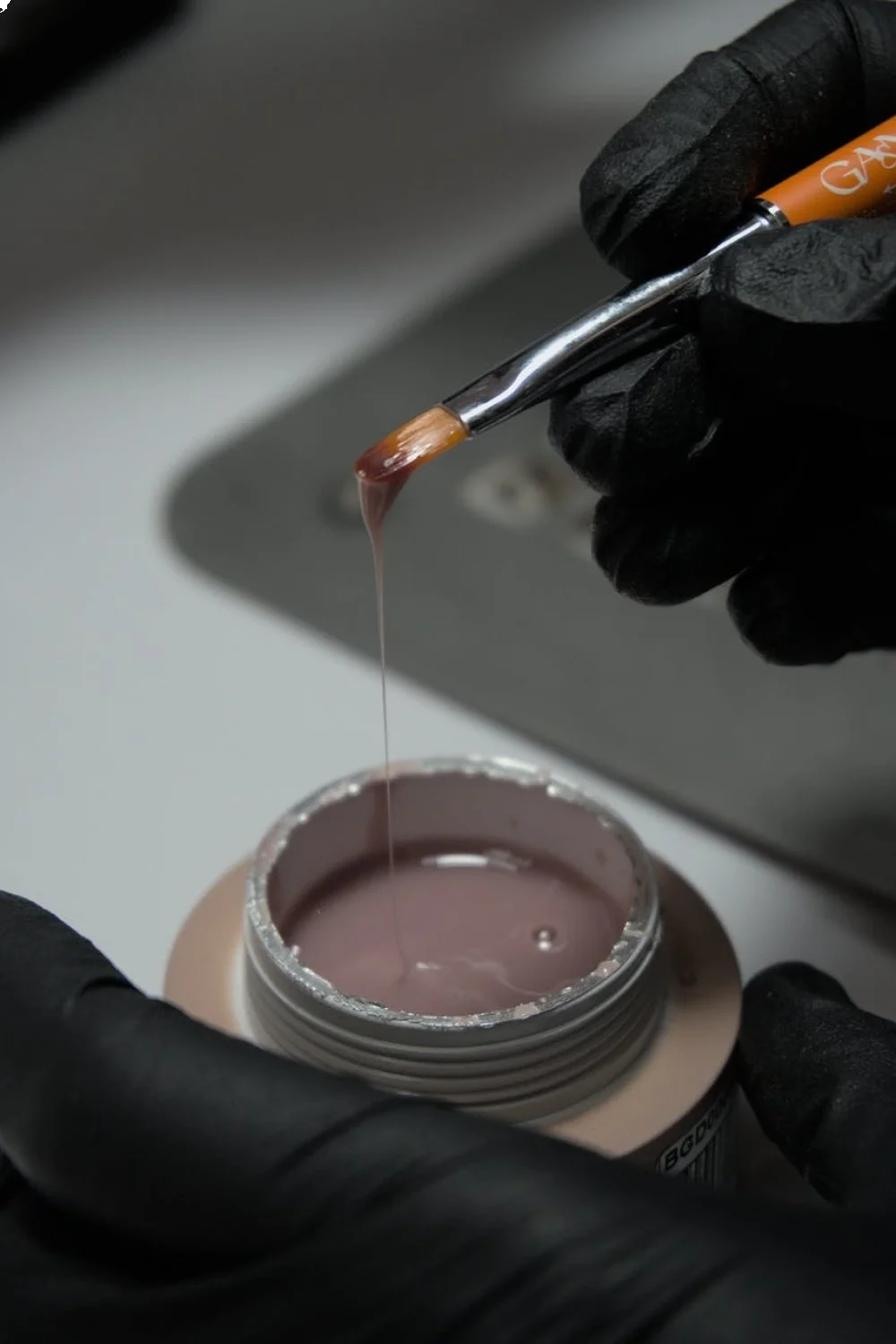
Gel nails use photoinitiators that cure under UV or LED light. No mixing required—the product comes ready to use. I apply thin layers, curing each under the lamp for 30-60 seconds.
Gel stays workable until you cure it, which means unlimited working time. The finished result feels more like a thick natural nail—flexible but strong.
Key Chemical Differences
Acrylic creates an irreversible chemical bond through polymerization. Once set, you cannot reverse the process. Gel undergoes photopolymerization, which can be reversed with specific wavelengths (why removal requires acetone soaking).
This chemistry difference explains why acrylic feels harder and gel feels more natural.
Cost Comparison: Which Is More Affordable?
Acrylic wins on initial cost but gel wins on long-term value. Here's my real-world cost breakdown after tracking expenses for two years.
Initial Application Costs
| Service Type | Acrylic Cost | Gel Cost | Notes |
|---|---|---|---|
| Basic full set | $25-40 | $35-60 | Gel costs more upfront |
| French tips | $30-45 | $40-65 | Add $5-10 for designs |
| Length extension | $35-50 | $45-70 | Acrylic handles length better |
| At-home kit | $15-25 | $60-120 | Gel requires UV lamp |
Maintenance and Fill-In Costs
Acrylic fills cost $15-25 every 2-3 weeks. Gel "fills" are actually full removal and reapplication, costing $25-40 every 2-3 weeks. This is where acrylic's advantage becomes clear.
Removal Costs and Home Options
Professional removal runs $10-15 for both. At home, I can remove acrylics by filing them down (time-consuming but free). Gel requires acetone wraps—about $3 in supplies but 30-45 minutes of soaking.
Total Cost Over 12 Months
Assuming maintenance every 3 weeks:
- Acrylic: $35 initial + ($20 × 17 fills) = $375
- Gel: $50 initial + ($35 × 17 appointments) = $645
Acrylic costs 42% less annually, but this doesn't account for nail damage repair costs.
Key Finding: Proper nail preparation, including dehydrating and base coat application, is the most important factor in enhancement longevity — American Academy of Dermatology
Durability and Longevity: How Long Do They Last?
Acrylic lasts longer without chipping, but gel maintains its appearance better over time. Both last 2-4 weeks, but they age differently.
Gel Nail Longevity
My gel manicures typically last 2-3 weeks before I see tip wear. The polish doesn't chip like regular lacquer—instead, it gradually wears thin at high-contact points. I've noticed gel starts lifting at the cuticle around day 10 if my nail prep wasn't perfect.
Hard gels (like OPI GelColor) last longer than soft gels (like shellac-type systems). I consistently get 3+ weeks from hard gel when applied correctly.
Acrylic Nail Longevity
Acrylic nails themselves last 3-4 weeks easily. The limitation is nail growth—you'll see a gap at the cuticle before the acrylic fails. I've worn the same acrylic set for 6 weeks without structural issues (though it looked terrible).
Polish on acrylics can chip like regular nail polish, but the base stays intact.
Wear Patterns and Breaking Risk
Gel nails typically peel off in sheets when they fail. Acrylic nails crack or break, sometimes taking natural nail with them. However, acrylic repairs easily—I can patch a crack with fresh acrylic mixture.
For longevity, I rank them: Hard gel > Acrylic > Soft gel
Application Process: What to Expect
Gel application takes longer initially but offers more control, while acrylic application is faster but requires steady hands. Both require identical nail prep.
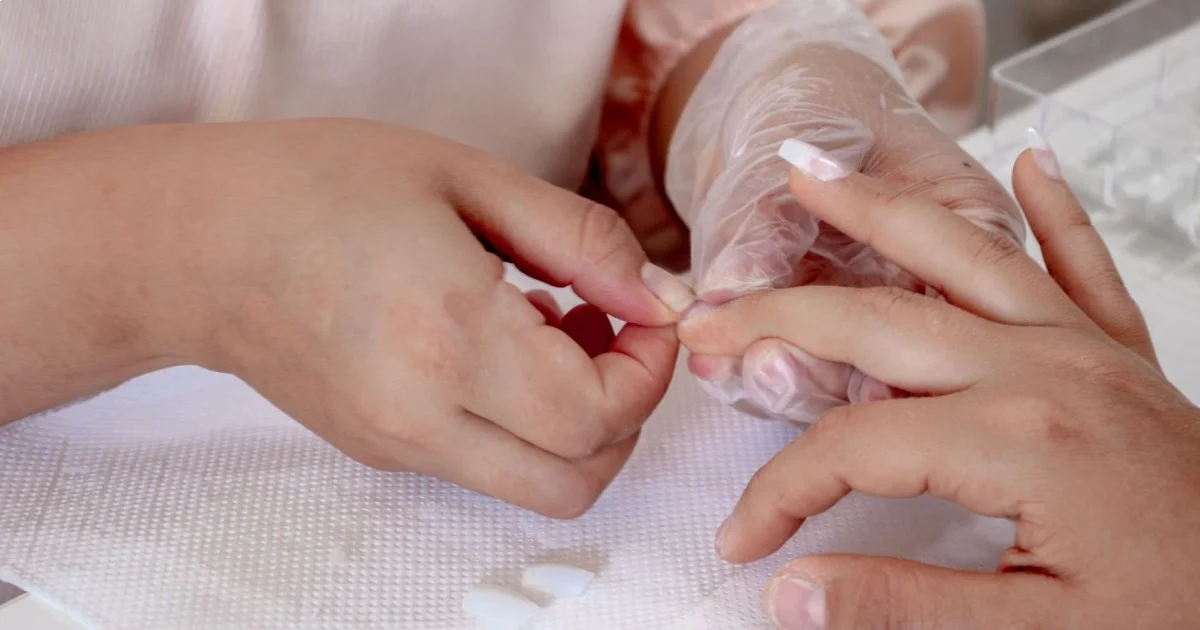
How Acrylic Nails Are Applied
I start with nail prep: push cuticles, file natural nails short, and apply dehydrator. Then:
- Size and apply nail tips (if extending length)
- File tips to desired shape and blend seam
- Apply primer to natural nail only
- Mix liquid and powder, apply to nail bed
- Shape and refine with files
- Buff smooth and apply base coat
- Add color and designs
- Finish with top coat
Total time: 90-120 minutes for a full set.
How Gel Nails Are Applied
Same prep, then:
- Apply gel tips or forms (if extending)
- Apply base gel, cure 60 seconds
- Build length/shape with builder gel in thin layers
- Cure each layer 60 seconds
- File and shape (gel dust is less harsh than acrylic)
- Apply color gel in thin coats
- Cure each color layer
- Finish with gel top coat and final cure
Total time: 120-150 minutes for extensions, 60-90 for overlays.
Time Investment for Each Method
Acrylic wins for speed once you're experienced. The working time pressure forces efficiency. Gel takes longer because of multiple cure cycles, but you can perfect each layer.
For beginners, gel is more forgiving despite taking longer.
Removal and Damage Risk: The Hidden Factor
Gel removal is gentler when done correctly, but both cause damage if forced off. I've seen more nail damage from improper removal than from the products themselves.
Safe Acrylic Removal Methods
Never pull or pick acrylics off. I file about 80% of the thickness away, then soak in acetone for 10-15 minutes. The remaining acrylic dissolves easily.
Alternatively, file them completely off. This takes 45+ minutes but avoids acetone exposure.
Safe Gel Removal Methods
Gel requires acetone soaking—no way around it. I file off the top coat, soak cotton pads in acetone, wrap each finger in foil, and wait 15-20 minutes. Hard gels take longer than soft gels.
The key is patience. Forcing partially dissolved gel off rips natural nail layers.
Which Causes More Damage?
Both cause some damage through the removal process. Acrylic filing creates more immediate thinning. Gel soaking can dry out nail plates but usually doesn't thin them.
I've found clients with naturally thin nails do better with gel long-term. Those with strong natural nails handle acrylic removal better.
Key Finding: Acetone exposure during removal temporarily dehydrates nail plates, but damage reverses within 2-3 weeks with proper moisturizing — Byrdie Beauty
Nail Health Impact: What Dermatologists Say
Both systems can maintain nail health with proper application and removal, but improper use causes significant damage. The technique matters more than the product choice.
Effects on Natural Nail Structure
Any nail enhancement creates some structural change. Filing for adhesion removes natural nail layers. Chemical bonds can penetrate nail plates. However, healthy nails recover fully with proper breaks between applications.
I recommend 1-2 week breaks every 3-4 months to assess natural nail health.
Infection Risk and Hygiene Considerations
Poor sanitation poses bigger risks than product choice. I've seen infections from both gel and acrylic when tools weren't properly sterilized. Choose salons that use hospital-grade disinfection and single-use files.
Lifted nails (gel or acrylic) create bacterial growth opportunities. Address lifting immediately—don't wait for your next appointment.
UV Exposure Concerns with Gel Nails
UV lamp exposure during gel curing is minimal but cumulative. I apply broad-spectrum SPF 30+ to hands before gel appointments. The cancer risk is extremely low but easily preventable.
LED lamps cure faster with less UV exposure—I prefer them over traditional UV bulbs.
Tips for Minimizing Damage
- Never remove enhancements yourself unless you know proper technique
- Moisturize cuticles daily during wear
- Address chips or lifting within 24 hours
- Take breaks between applications if nails feel thin or weak
- Choose experienced technicians over bargain pricing

Aesthetics and Design Versatility
Gel offers superior color depth and shine, while acrylic excels at dimensional nail art and extreme lengths. Both work for current nail design trends, but excel in different areas.
Finish and Appearance Differences
Gel nails have incredible depth and mirror-like shine straight from the lamp. The color looks like it's suspended in glass. Acrylic requires buffing and multiple top coats to achieve similar shine, but the color can look flatter.
For natural-looking enhancements, gel wins easily. The flexibility mimics natural nails better.
Design Options and Customization
Acrylic dominates for:
- 3D nail art (flowers, bows, characters)
- Extreme length (2+ inches)
- Intricate hand-painted designs
- Embedding objects (glitter, dried flowers)
Gel excels at:
- Color gradients and ombres
- Clean, modern minimalist looks
- Realistic nail art (marble, wood grain)
- Layered translucent effects
For spring gel nail designs and creative nail art ideas, both mediums work beautifully with different techniques.
Color Longevity and Fading
Gel color stays true longer because it's sealed under top coat. Acrylic color can fade or yellow, especially whites and pastels. However, you can refresh acrylic color without full removal—just file, prime, and reapply color layers.
Maintenance Routines: Daily Care for Each Type
Both require similar daily care, but acrylic tolerates neglect better while gel needs consistent cuticle maintenance. Good habits extend wear time significantly.
Maintaining Acrylic Nails
Daily: Apply cuticle oil and hand cream. Avoid using nails as tools.
Weekly: Gently push cuticles with an orange stick. File any rough edges immediately.
I wear rubber gloves for cleaning and gardening. Acrylic can handle water exposure but harsh chemicals cause lifting.
Maintaining Gel Nails
Daily: Same cuticle oil routine, plus avoiding oil-based products on the nail surface (causes premature lifting).
Weekly: Check for any edge lifting and address immediately. Gel that starts lifting usually continues rapidly.
Gel requires more vigilance but rewards good care with exceptional longevity.
Common Maintenance Mistakes
- Using hand cream on fresh gel - Oil causes lifting within days
- Ignoring small chips in acrylic - They turn into breaks quickly
- Picking at lifted edges - Removes natural nail layers
- Skipping cuticle oil - Leads to hangnails and painful growth
What Should You Choose? Lifestyle Considerations
Choose based on your priorities: gel for flexibility and appearance, acrylic for strength and length. Here's my decision framework after years of client consultations.
Choose Gel If You...
- Want the most natural look and feel
- Have naturally strong nail beds
- Prefer shorter to medium lengths (up to 1/4 inch extension)
- Work in professional environments requiring subtle nails
- Have time for careful removal every 2-3 weeks
- Want maximum color options and modern finishes
Gel works especially well for spring gel nail colors and seasonal designs that benefit from color depth.
Choose Acrylic If You...
- Bite your nails or have very weak natural nails
- Want dramatic length (1/2 inch or longer)
- Prefer the strongest possible enhancement
- Need nails that tolerate heavy hand use
- Want easy repairs for chips or breaks
- Like elaborate 3D nail art
- Have limited removal/maintenance time
Lifestyle and Activity Considerations
Healthcare workers: Gel for easy sanitization and natural appearance Athletes: Acrylic for impact resistance, kept short Office workers: Either works; choose based on length preference Artists/crafters: Acrylic for tool resistance Parents: Gel for safety (less sharp when broken) Students: Acrylic for cost-effectiveness
Hybrid Options: Beyond Traditional Gel and Acrylic
Hybrid systems combine benefits of both traditional methods. These newer options solve specific problems I've encountered with classic gel and acrylic.
Hard Gel Overview
Hard gel (like OPI GelColor Base or Gelish Structure) offers acrylic strength with gel appearance. It cures under UV but files like acrylic when hardened. Perfect for clients wanting gel aesthetics with better durability.
I use hard gel for clients who break regular gel but dislike acrylic's appearance.
Builder Gel Overview
Builder gels create length and strength without forms or tips. You sculpt directly on the nail, building whatever length and shape you want. The consistency is thicker than regular gel but more workable than acrylic.
Apkarian Builder Gel is my go-to for this technique.
Polygel Overview
Polygel combines acrylic powder with gel base, creating a putty-like consistency. It doesn't air-dry like acrylic but needs UV curing like gel. You get unlimited working time with gel convenience.
Polygel works great for beginners because mistakes are easily fixed before curing.
How These Compare to Traditional Options
| Feature | Traditional Acrylic | Traditional Gel | Hard Gel | Builder Gel | Polygel |
|---|---|---|---|---|---|
| Strength | Excellent | Good | Excellent | Very Good | Excellent |
| Appearance | Good | Excellent | Excellent | Excellent | Very Good |
| Working Time | 30 seconds | Unlimited | Unlimited | Unlimited | Unlimited |
| Removal | File/soak | Acetone soak | Acetone soak | Acetone soak | File/soak |
| Cost | $ | $$ | $$$ | $$$ | $$ |
At-Home vs Professional Application
Gel is more beginner-friendly for at-home use, but both require significant practice for professional results. Success depends more on technique than product choice.
Can You Do Gel Nails at Home?
Yes, with patience and proper equipment. You need a quality UV/LED lamp ($30-60), base/top coats, colors, and removal supplies. Total startup cost: $60-120.
I recommend starting with gel polish over natural nails before attempting extensions. Master the basics first.
For DIY nail art projects, gel offers more working time and forgiveness.
Can You Do Acrylic Nails at Home?
Possible but challenging. The working time pressure makes mistakes costly, and the fumes require good ventilation. Startup costs are lower ($15-30) but the learning curve is steeper.
I suggest practicing on fake hands before attempting your own nails.
Difficulty Levels and Success Rates
From my experience teaching clients:
- Gel polish application: 85% achieve good results within 3 attempts
- Gel extensions: 60% success rate after multiple tries
- Acrylic application: 40% success rate for beginners
- Acrylic extensions: 25% success rate without formal training
Key Finding: Home application success correlates directly with nail preparation quality rather than product choice — OPI Professional Blog
Gel and Acrylic Trends for 2026
2026 trends favor natural-looking enhancements with subtle art, benefiting gel more than acrylic. The "no-makeup makeup" trend extends to nails.
Popular Gel Nail Designs for 2026
Minimalist designs dominate: thin French tips, negative space art, single accent nails. Nails design trends 2026 show preference for:
- Translucent color washes
- Micro-French manicures
- Single-line art
- Natural pink and nude gradients
Gel's natural finish perfectly suits these trends.
Popular Acrylic Nail Designs for 2026
Acrylic trends focus on architectural shapes and subtle 3D elements:
- Coffin and almond shapes in shorter lengths
- Embedded dried flowers
- Textural contrasts (matte/glossy combinations)
- Clean geometric patterns
The Instagram "maximalist nail" trend is declining in favor of wearable art.
Quick Decision Matrix: Gel vs Acrylic
Use this matrix to choose based on your priorities:
Choose Gel if you answer YES to 3+ questions:
- Do you prefer natural-looking nails?
- Is flexibility more important than maximum strength?
- Are you willing to pay more for better appearance?
- Do you have time for careful maintenance?
- Do you want the newest color technology?
- Are you concerned about harsh chemicals?
Choose Acrylic if you answer YES to 3+ questions:
- Do you need maximum strength and durability?
- Do you want dramatic length (1/2+ inch)?
- Is cost a primary concern?
- Do you prefer DIY-friendly options?
- Do you like bold, dimensional nail art?
- Do you need quick repairs when things break?
Common Problems and Solutions
Both systems have predictable failure patterns with known solutions. Recognizing problems early prevents bigger issues.
Acrylic Nail Problems and Solutions
Problem: Lifting at cuticles within days Solution: Better nail prep. Use dehydrator and primer correctly.
Problem: Yellow discoloration Solution: Use quality top coat and avoid UV exposure. Refresh color coat without full removal.
Problem: Painful application Solution: File natural nails shorter before application. Avoid over-filing nail beds.
Problem: Breakage taking natural nail Solution: Keep reasonable length. File any cracks immediately.
Gel Nail Problems and Solutions
Problem: Peeling off in sheets Solution: Avoid oil-based products. Push cuticles before application.
Problem: Dulling after one week Solution: Use alcohol to cleanse sticky layer after curing. Apply quality top coat.
Problem: Color appears streaky Solution: Apply thinner coats. Cure fully between layers.
Problem: Allergic reaction Solution: Switch to hypoallergenic formulas. Avoid skin contact during application.
Final Verdict: Which Is Right for You?
For most people, I recommend starting with gel. It's more forgiving, looks more natural, and causes less damage when removed properly. The higher cost is worth it for the flexibility and appearance.
Choose acrylic if you specifically need maximum strength, dramatic length, or have severely damaged natural nails that need protection while growing out.
Both systems work beautifully when applied correctly. Your choice should depend on lifestyle, budget, and personal preferences rather than arbitrary "rules" about which is "better."
Start with short gel overlays to test your tolerance, then decide if you want to explore acrylics or longer gel extensions. There's no wrong choice—only the wrong choice for your specific situation.
Ready to try gel nails? Check out our spring gel nail colors guide for the latest shades, or explore DIY nail art tutorials to master basic techniques at home.
Frequently Asked Questions
What Are Acrylic Nails?
Acrylic nails use a liquid monomer mixed with polymer powder to create a moldable paste. I mix this directly on the nail, shape it, then let it air-dry into a rock-hard surface. The chemical reaction happens fast—you have about 30 seconds to shape before it starts setting.
What Are Gel Nails?
Gel nails use photoinitiators that cure under UV or LED light. No mixing required—the product comes ready to use. I apply thin layers, curing each under the lamp for 30-60 seconds. Gel stays workable until you cure it, which means unlimited working time.
Cost Comparison: Which Is More Affordable?
Acrylic wins on initial cost but gel wins on long-term value. Here's my real-world cost breakdown after tracking expenses for two years.
Durability and Longevity: How Long Do They Last?
Acrylic lasts longer without chipping, but gel maintains its appearance better over time. Both last 2-4 weeks, but they age differently.
Which Causes More Damage?
Both cause some damage through the removal process. Acrylic filing creates more immediate thinning. Gel soaking can dry out nail plates but usually doesn't thin them. I've found clients with naturally thin nails do better with gel long-term.