Cuticle Oil Benefits: 8 Best Products & How to Use
```markdown Cuticle oil is a conditioning treatment formulated with plant oils and vitamins that hydrates the cuticle and nail bed, preventing hangnails...
 Jade Williams
```markdown Cuticle oil is a conditioning treatment formulated with plant oils and vitamins that hydrates the cuticle and nail bed, preventing hangnails, peeling, and brittle nails. The top products combine jojoba, vitamin E, and squalane at price points from $7 to $24, with application best done twice daily for maximum effectiveness.
- Jojoba oil mimics natural sebum composition, making it the most effective carrier for cuticle penetration
- Consistent application twice daily prevents hangnails and peeling better than occasional intensive treatment
- Gel and acrylic wearers need cuticle oil most, as enhancements dehydrate the nail matrix during wear
- Pen applicators waste less product than brush bottles and work better for targeted application
- Most cuticle oils show visible improvement within 5-7 days of consistent use
As a trend analyst tracking industry-wide shifts from salon floors and beauty expos, I've watched cuticle care evolve from an afterthought to a foundational step in professional nail services. The shift reflects dermatological research showing that cuticle health directly impacts nail plate integrity, not just appearance. What's gaining genuine traction versus market-driven promotions becomes clear when examining ingredient lists and application methods that nail technicians actually recommend to clients dealing with specific conditions.
Understanding Cuticle Oil from a Scientific Perspective
Cuticle oil works by delivering lipid-soluble nutrients into the nail matrix—the living tissue beneath the cuticle that generates nail cells. According to the American Academy of Dermatology, keeping cuticles moisturized prevents the protective seal from cracking, which reduces bacterial entry points and maintains the nail's structural integrity during growth.
The nail plate itself is dead keratin tissue, but the cuticle and surrounding skin contain living cells that respond to hydration. Plant oils—particularly those with fatty acid profiles similar to human sebum—penetrate the epidermis more effectively than water-based lotions. Jojoba oil contains wax esters that match sebum composition at roughly 97% similarity, making it the gold standard carrier oil in professional formulations.
Vitamin E (tocopherol) is both an antioxidant and a penetration enhancer. It protects cuticle tissue from oxidative stress caused by UV exposure, hand washing, and chemical exposure from cleaning products. Squalane, derived from olives or sugarcane, mimics the skin's natural moisture barrier and prevents transepidermal water loss—the primary cause of cuticle dryness.
Key Finding: Proper cuticle care, including regular moisturizing with appropriate oils, helps maintain healthy nails by preventing dryness and brittleness — American Academy of Dermatology
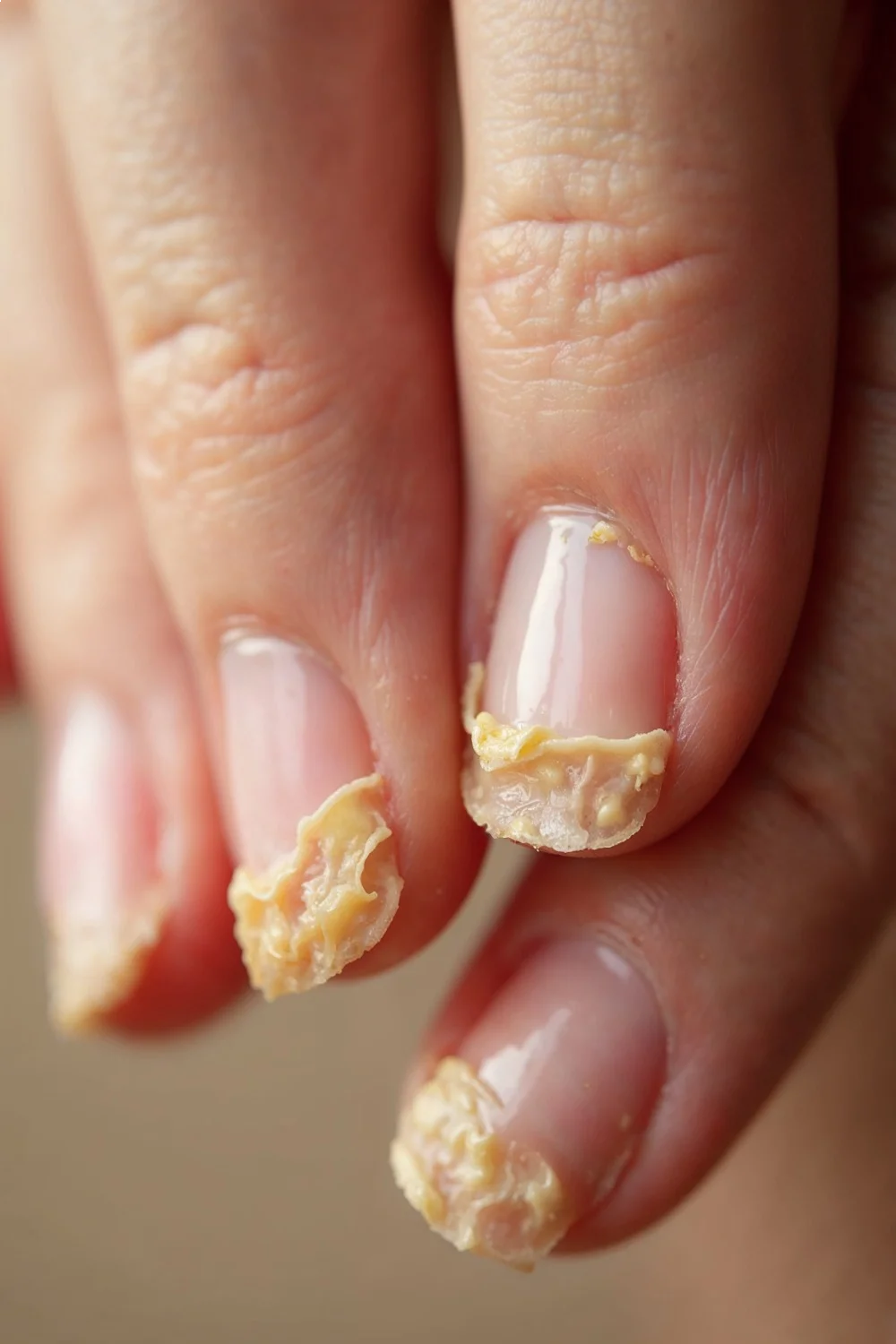
Why Gel and Acrylic Wearers Need Cuticle Oil Most
Enhancement wearers face a specific challenge that natural nail clients don't: the gel or acrylic product creates a moisture barrier that prevents natural oils from reaching the nail plate. During the 2-4 week wear period, the cuticle area becomes progressively dehydrated, leading to lifting at the enhancement edge and increased risk of fungal colonization in the gap between natural nail and product.
The prep process for gel and acrylic applications involves deliberate dehydration—using primers, alcohol, or acetone to remove oils so the product adheres properly. This strips the cuticle of natural protection. Nail technicians at industry events consistently report that clients who apply cuticle oil daily during enhancement wear experience significantly less lifting and fewer infections requiring early removal.
For those doing acrylic fills at home, applying cuticle oil immediately after filing and before applying new product creates a barrier that prevents monomer absorption into the skin—reducing the chemical burn sensation many DIY users report. Wait 2-3 minutes after oil application before dehydrating the nail plate with primer.
Brittle nail conditions—splitting, layering at the free edge, and vertical ridging—respond particularly well to twice-daily cuticle oil application. The moisture doesn't penetrate the dead nail plate directly, but consistent hydration of the matrix tissue produces healthier keratin during the growth cycle. Expect to see improvement in new growth within 5-7 days, with full nail replacement showing maximum benefit at 3-4 months for fingernails.
1. CND SolarOil Nail & Cuticle Conditioner
CND SolarOil dominates professional salon use because its jojoba and vitamin E formula has remained chemically consistent since 1991, making it the benchmark against which other products are compared. The almond scent comes from natural sweet almond oil, not fragrance additives, which reduces allergic reactions in clients with sensitive skin.
The formula combines jojoba oil, sweet almond oil, vitamin E, and rice bran oil. Rice bran oil contains gamma-oryzanol, a compound that reduces inflammation in the nail bed and helps damaged cuticles recover faster after aggressive manicure prep.
Price and availability: $9-12 for 0.25 oz (7.3 ml) brush bottle or $18-24 for 2.3 oz (68 ml) bottle at professional beauty suppliers and Ulta. The larger size offers better value for daily users, while the small brush bottle fits easily in a purse for reapplication during the day.
Application specifics: The brush applicator deposits more product than necessary for single-finger application. Wipe excess back into the bottle, then apply to one nail and massage in before moving to the next. For best results, apply immediately after hand washing when cuticles are slightly damp—oils trap moisture rather than adding it, so damp application enhances penetration.
Best for: Professional nail technicians who need a reliable product to recommend across all client types, and anyone who has tried drugstore cuticle products without seeing improvement. The formula works particularly well for clients who develop lifting with gel polish, as consistent use improves the seal between natural nail and product.
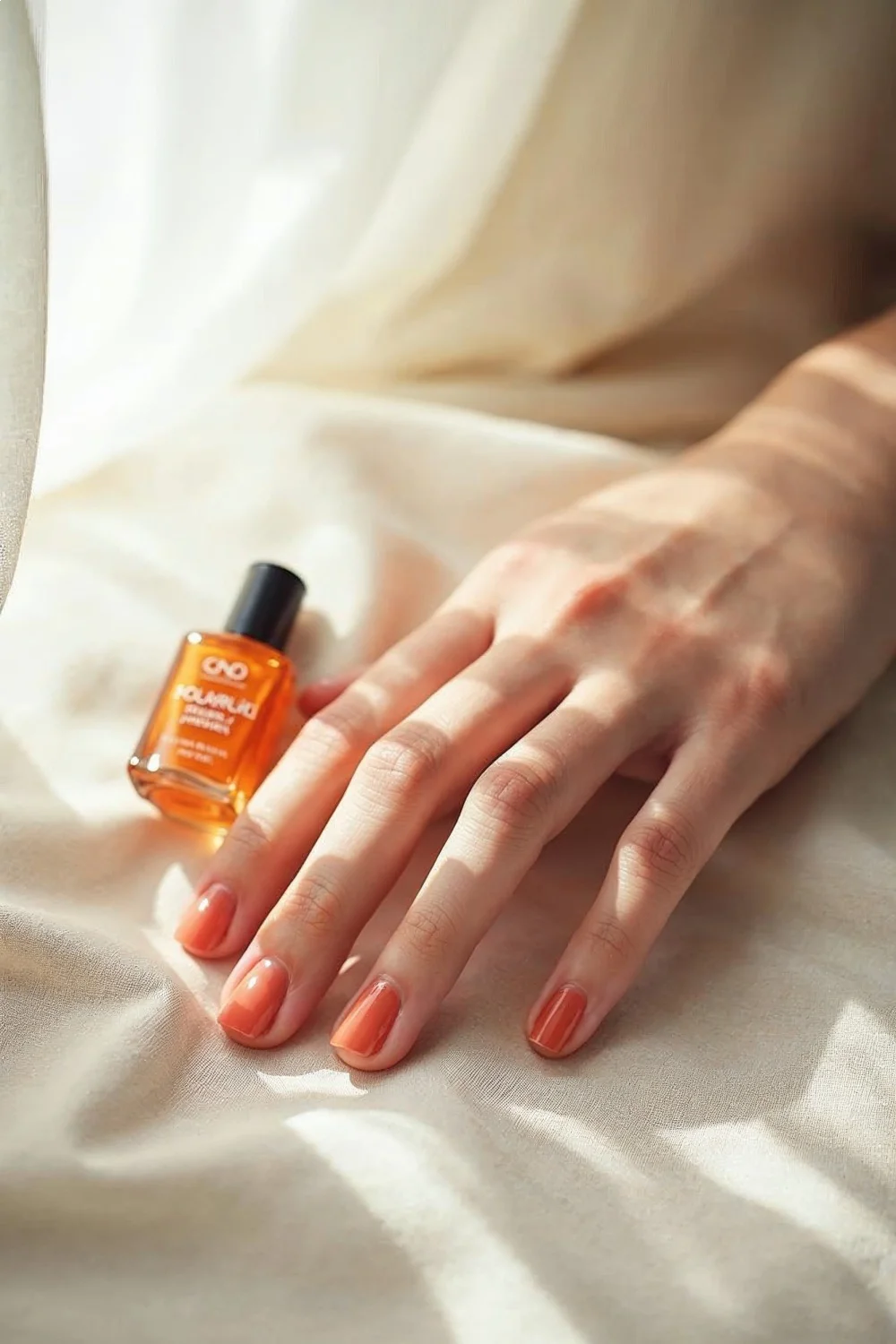
2. Sally Hansen Vitamin E Nail & Cuticle Oil
Sally Hansen's version delivers pharmaceutical-grade vitamin E in a pen applicator that makes targeted application nearly foolproof. The pen format wastes significantly less product than brush bottles because users can control flow precisely to the cuticle area without oversaturating the nail plate.
The formula uses tocopheryl acetate, a more stable form of vitamin E that converts to active tocopherol once absorbed into skin tissue. This stability means the product maintains potency longer after opening—important for users who apply irregularly rather than establishing a daily routine. Added apricot kernel oil provides lightweight moisture without the heavy feel some users dislike about thicker jojoba-based oils.
Price and availability: $7-9 for 0.37 oz (11 ml) pen at drugstores, grocery stores, Target, Walmart, and Amazon. The widespread availability makes it the most accessible option for users who want to start a cuticle oil routine without visiting a beauty supply store.
Pen mechanism specifics: Twist the bottom dial clockwise 2-3 clicks to dispense product to the brush tip. The first use requires 8-10 clicks to prime the pen, but subsequent applications need only 2-3. Over-twisting wastes product and creates a pool that drips down the finger rather than absorbing.
Best for: Beginners establishing a cuticle care routine, travelers who need TSA-compliant sizing and spill-proof packaging, and anyone who applies polish or gel at home and wants a no-mess option for cuticle prep immediately before painting. The pen format also works well for applying oil around gel nail removal to protect cuticles during acetone exposure.
3. Essie Apricot Cuticle Oil
Essie's apricot-scented formula distinguishes itself with a lighter viscosity than most jojoba-heavy competitors, making it preferable for users who dislike greasy residue. The primary carrier is safflower oil—high in linoleic acid, which absorbs into skin faster than the oleic acid dominant in olive or jojoba oils.
The lightweight texture means this formula requires more frequent application than heavier oils—plan on three times daily rather than twice. However, that faster absorption makes it practical for office environments where users can't wait 5-10 minutes for oil to sink in before typing or handling papers. It absorbs fully within 60-90 seconds when massaged properly.
Price and availability: $9-11 for 0.46 oz (13.5 ml) brush bottle at drugstores, Ulta, Target, and Essie's website. The bottle size represents better value per ounce than salon brands, though the lighter formula means users progress through bottles faster with consistent use.
Fragrance note: The apricot scent is polarizing—some users find it pleasantly fruity, others describe it as artificial or too strong. The fragrance dissipates within 10-15 minutes of application but is noticeable during initial massage. Users sensitive to scent should test in-store before purchasing the full size.
Best for: Users who want cuticle benefits without greasy residue, office workers who need fast absorption between meetings, and anyone who applies polish frequently and needs a quick cuticle prep that won't interfere with base coat adhesion. Also practical for hand models and professionals who need well-maintained hands without visible oil shine during the workday.
4. Cuccio Naturale Milk & Honey Cuticle Revitalizing Oil
Cuccio's cult-favorite formula combines natural milk proteins with honey extract and cupuacu butter—a Brazilian rainforest derivative that contains phytosterols shown to reduce inflammation in damaged skin tissue. The milk proteins (casein and whey derivatives) contain amino acids that support keratin production in the nail matrix.
This is the thickest formula in the professional cuticle oil category, with a consistency closer to serum than oil. That density means it stays where you place it rather than running into nail crevices or under the free edge. For users dealing with severely damaged cuticles from aggressive pushing or biting, the thick formula provides a protective barrier that prevents further mechanical damage during the healing period.
Price and availability: $10-14 for 0.5 oz (15 ml) or $16-22 for 2.5 oz (75 ml) at Sally Beauty, professional beauty suppliers, and Amazon. The larger size makes sense for daily users, as the thick formula means a little goes a long way—one drop covers two fingers.
Scent profile: The honey note is pronounced and sweet, with a slight milky undertone. Unlike Essie's fruity scent, this one has staying power—expect the fragrance to linger for 30-45 minutes after application. Users who dislike scented products should skip this formula, but those who appreciate aromatherapy benefits often cite the scent as a positive.
Best for: Severe cuticle damage including chronic hangnails, peeling, or bleeding; overnight treatment when you can apply generously and wear cotton gloves to maximize penetration; users who prefer a spa-like sensory experience rather than clinical efficiency. The thick formula also works well for foot cuticles, which are typically drier and more resistant to treatment than finger cuticles.
Key Finding: Manicurists recommend applying cuticle oil twice daily, particularly before bed and after washing hands, for optimal results — Byrdie Beauty Expert Guidance

5. OPI ProSpa Nail & Cuticle Oil To Go
OPI's ProSpa line targets professional results in portable formats, and this rollerball applicator delivers on that promise. The rollerball distributes product evenly without over-applying—important for users who tend to waste product with brush applicators. The formula contains white tea extract and cucumber, both known for their antioxidant properties and soothing effects on irritated skin.
According to OPI's product research, the ProSpa formula specifically addresses post-service cuticle care for clients who receive regular manicures and need to maintain results between appointments. The lighter oil blend (kukui nut and sunflower seed oil base rather than jojoba) absorbs quickly while still providing adequate moisture barrier protection.
Price and availability: $12-15 for 0.25 oz (7.5 ml) rollerball at professional beauty suppliers, Ulta, and OPI retailers. The price point positions it between drugstore and luxury options, reflecting the professional-grade ingredients without salon markup.
Rollerball mechanics: Press the rollerball against the cuticle and move it back and forth 2-3 times to deposit product. The ball mechanism requires more pressure than pen applicators but less than pumping a dropper bottle. Clean the rollerball with a tissue after each use to prevent bacterial buildup in the mechanism.
Best for: Users who want professional-grade ingredients in a purse-sized format, people who struggle with precise application using brushes, and anyone building a complete nail care routine around the OPI ProSpa system for product compatibility. The rollerball also works well for cuticle oil application during travel, as it's less likely to leak than brush bottles.
6. Blossom Cuticle Oil in Multiple Scents
Blossom differentiates itself through scent variety—15+ options including coconut, rose, lavender, and peach—allowing users to match cuticle care to scent preferences or rotate fragrances seasonally. The base formula remains consistent across scents: a blend of mineral oil, jojoba, and vitamin E, with fragrance being the only variable.
The mineral oil base makes this formula more controversial among natural beauty advocates, as mineral oil is petroleum-derived rather than plant-based. However, cosmetic-grade mineral oil is noncomedogenic and doesn't oxidize like plant oils, meaning the product maintains potency longer after opening—relevant for users who own multiple bottles and rotate through scents slowly.
Price and availability: $7-10 for 0.42 oz (12.5 ml) brush bottle at Sally Beauty, Amazon, and nail supply stores. The low price point makes collecting multiple scents affordable, and salon professionals often stock several scents to offer clients choice during services.
Scent intensity: The fragrances are strong on initial application—noticeably more pronounced than Essie or OPI products. Users sensitive to scent should opt for the unscented version, which is available but less prominently displayed. The scent fades to a subtle background note within 15-20 minutes.
Best for: Users who prioritize scent experience in their beauty routine, nail technicians who want to offer clients scent choice during services, and budget-conscious users who want to experiment with cuticle oil without investing in premium brands. The variety also makes these practical as gifts for nail art enthusiasts exploring different self-care routines.
7. Dadi'Oil Organic Cuticle Skin Treatment
Dadi'Oil commits to certified organic ingredients—a rarity in the cuticle oil category where most products contain at least some synthetic preservatives or fragrance components. The formula combines 22 plant oils and extracts, including relatively uncommon ingredients like thistle oil, ximenia oil, and baobab oil, each chosen for specific fatty acid profiles that benefit nail health.
The organic certification and exotic ingredient list justify the premium price, but they also create a product with a shorter shelf life than mineral oil-based competitors. Expect optimal potency for 12-18 months after opening, compared to 24+ months for synthetic-preservative formulas. Store in a cool, dark place to extend shelf life.
Price and availability: $18-24 for 0.5 oz (15 ml) or $32-42 for 1.2 oz (37.5 ml) through professional beauty suppliers, specialty retailers, and the brand website. The investment makes sense for users committed to clean beauty standards and willing to pay premium prices for organic certification.
Texture and absorption: Despite containing 22 oils, the formula isn't heavy or greasy. The blend includes lighter oils like avocado and grapeseed that balance richer ingredients like macadamia and hazelnut. Absorption takes 3-5 minutes with massage, falling in the middle range between fast-absorbing lightweight oils and thick overnight treatments.
Best for: Clean beauty advocates who prioritize organic certification, users with sensitivities to synthetic ingredients or preservatives, and nail professionals who cater to environmentally conscious clients. The comprehensive ingredient list also appeals to users who have tried single-oil treatments (pure jojoba or vitamin E) without success and want a more complex formula.
8. Blue Cross Cuticle Remover with Aloe Vera
Blue Cross occupies a different niche than the conditioning oils above—this is a cuticle remover that uses potassium hydroxide to chemically dissolve dead cuticle tissue, with aloe vera added to buffer the alkaline effects. Including it in this list provides contrast to show that cuticle care involves both removal and conditioning, not just one or the other.
The formula works in 45-60 seconds when applied to dry cuticles, creating a gel-like consistency that holds the active ingredient against the cuticle rather than running. After the timing window, push back cuticles with an orangewood stick, then rinse thoroughly and apply a conditioning oil—this two-step process is standard in professional manicures and critical for maintaining healthy cuticles during enhancement wear.
Price and availability: $6-8 for 6 oz (170 ml) at Sally Beauty, drugstores, and Amazon. The large bottle size and low price point reflect the product's professional salon origins—nail technicians use cuticle remover on multiple clients daily and need cost-effective bulk sizes.
Safety considerations: Potassium hydroxide is caustic at high concentrations. Leave on skin only for the recommended 45-60 seconds, never longer. Users with cuts, hangnails, or abraded skin should skip cuticle remover until the skin heals, as the alkaline formula will burn broken skin. Always follow with thorough rinsing and immediate oil application to restore pH balance.
Best for: Users preparing for gel polish application who need clean cuticle lines for professional-looking results, people with thick, overgrown cuticles that don't respond to pushing alone, and combination with conditioning oils (not as a replacement). Use cuticle remover once every 2-3 weeks, conditioning oil twice daily—they serve different functions in a complete cuticle care routine.
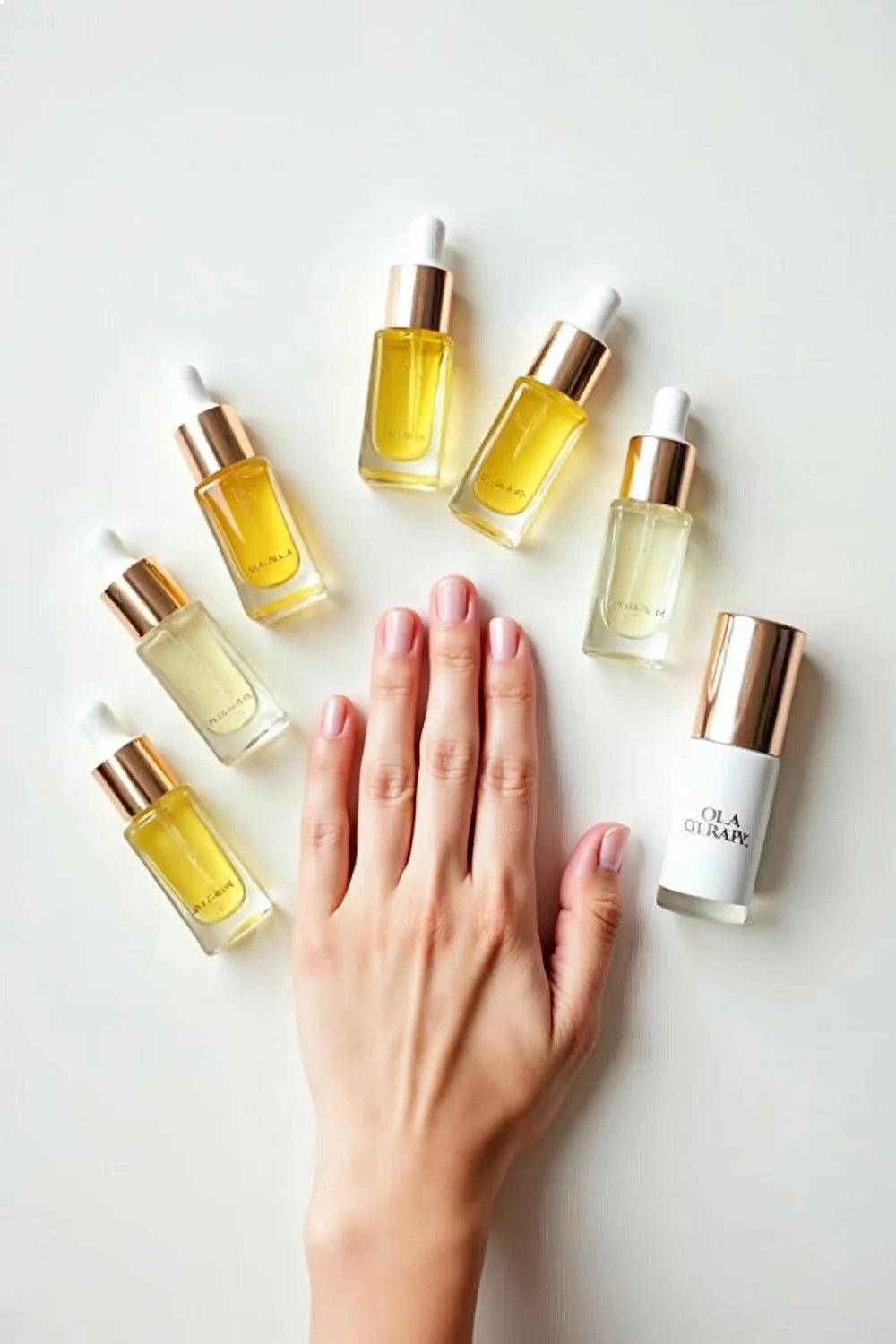
Cuticle Oil Comparison: Key Differences at a Glance
| Product | Price Range | Primary Oils | Applicator | Best For | Absorption Time |
|---|---|---|---|---|---|
| CND SolarOil | $9-24 | Jojoba, sweet almond, rice bran | Brush bottle | Professional reliability, all nail types | 5-7 minutes |
| Sally Hansen Vitamin E | $7-9 | Apricot kernel, vitamin E | Twist pen | Beginners, travel, targeted application | 3-5 minutes |
| Essie Apricot | $9-11 | Safflower, apricot | Brush bottle | Fast absorption, office use | 60-90 seconds |
| Cuccio Milk & Honey | $10-22 | Cupuacu butter, honey, milk proteins | Brush bottle | Severe damage, overnight treatment | 8-10 minutes |
| OPI ProSpa | $12-15 | Kukui nut, sunflower, white tea | Rollerball | Portable precision, between appointments | 3-4 minutes |
| Blossom Multi-Scent | $7-10 | Mineral oil, jojoba, vitamin E | Brush bottle | Scent variety, budget-friendly | 4-6 minutes |
| Dadi'Oil Organic | $18-42 | 22 organic plant oils including thistle, baobab | Brush bottle | Clean beauty, organic certification | 3-5 minutes |
| Blue Cross Remover | $6-8 | Potassium hydroxide (remover, not oil) | Squeeze bottle | Cuticle removal before conditioning | Rinse immediately after 45-60 seconds |
How to Apply Cuticle Oil for Maximum Effectiveness
Application timing matters more than product choice. The nail plate and surrounding skin absorb conditioning ingredients most effectively when slightly damp, meaning immediately after hand washing or showering provides the optimal application window. The water opens cuticle cells through osmotic pressure, allowing oils to penetrate deeper into the tissue rather than sitting on the surface.
For daily maintenance, apply once in the morning after showering and once before bed. The overnight application allows 6-8 hours of uninterrupted absorption without hand washing or friction from daily activities disrupting the conditioning process. Users who wear cotton gloves overnight report faster improvement in cuticle condition, as the gloves trap body heat and enhance penetration.
For damage repair—active hangnails, peeling, or cracked cuticles—increase frequency to three or four times daily for the first week, then maintain with twice-daily application once improvement appears. Apply to damp skin, massage in circular motions for 30-60 seconds per finger to generate friction heat, then allow to absorb completely before touching other surfaces.
Common application mistakes:
Over-applying: More oil doesn't mean faster results. A single drop should cover two fingers. Excess oil pools around the nail and transfers to other surfaces without absorbing—wasteful and ineffective.
Skipping massage: Simply painting oil onto cuticles provides minimal benefit. The massage motion generates heat that enhances absorption and stimulates blood flow to the matrix tissue, which carries nutrients to actively growing nail cells.
Applying to dry skin: Oil on completely dry cuticles sits on the surface rather than penetrating. If you can't apply immediately after hand washing, mist cuticles with water or dampen them with a wet fingertip before applying oil.
Using instead of hand cream: Cuticle oil addresses the nail matrix and immediate cuticle area—roughly 2-3mm of tissue surrounding the nail plate. It doesn't replace hand cream for the broader skin on hands and fingers. A complete routine includes both products serving different purposes.
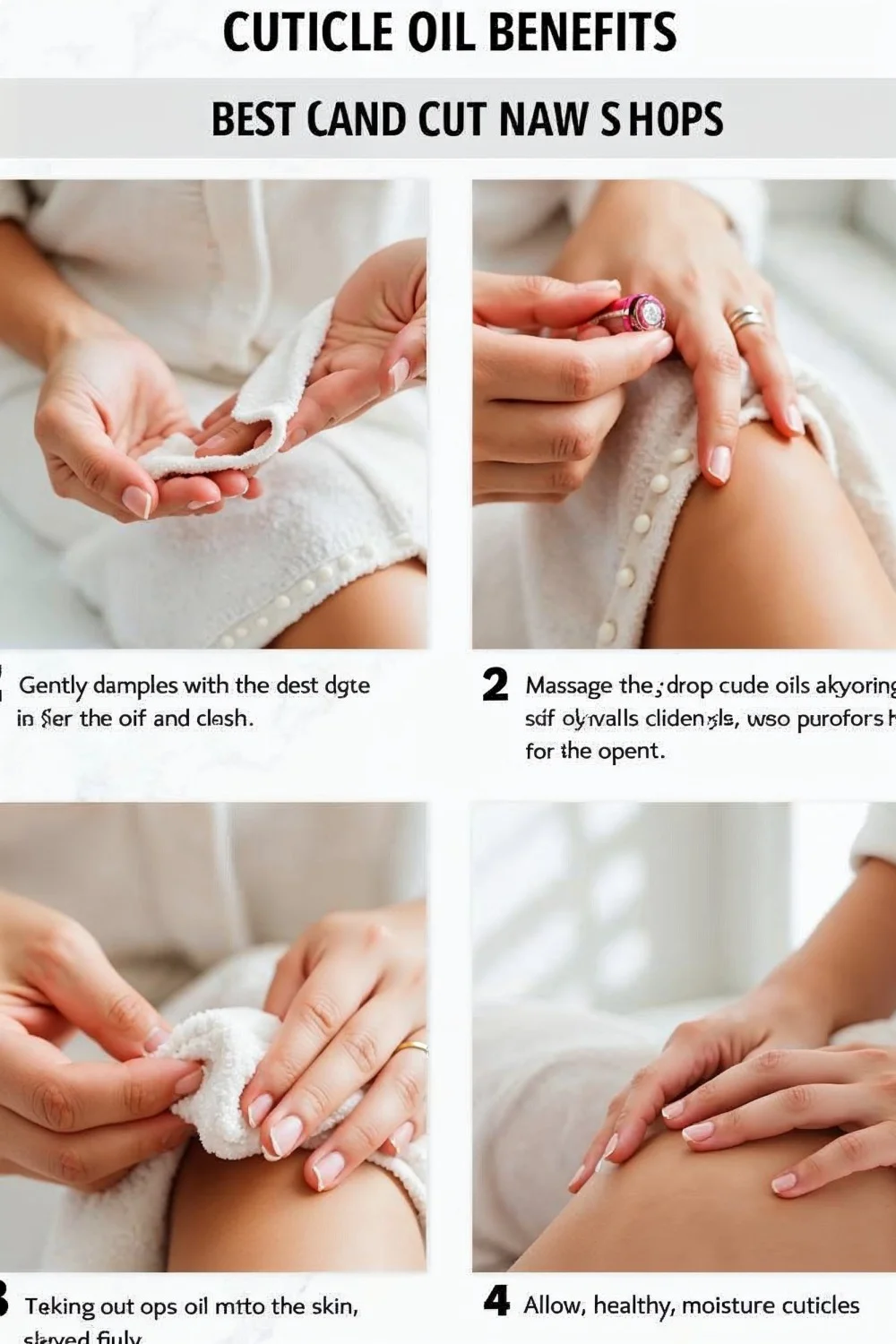
Special Application Guidelines for Enhancement Wearers
Users wearing gel polish, acrylics, dip powder, or other enhancements need modified application approaches. According to beauty industry experts, oil application during enhancement wear should target the cuticle and sidewall areas exclusively, avoiding the free edge where oil can seep under the product and cause premature lifting.
Apply oil with a pen or rollerball applicator for precision control, depositing product directly on the cuticle fold and massaging toward the nail plate. Avoid pooling oil at the enhancement edge where natural nail meets product—this area needs to stay dry to maintain adhesion. If oil does reach the enhancement edge, wipe it away immediately with a lint-free wipe dampened with isopropyl alcohol.
For users doing DIY gel or acrylic work at home, apply cuticle oil 2-3 hours before removal or fill appointments. This gives the oil time to condition cuticles without interfering with adhesion, as alcohol-based prep solutions will dehydrate the nail plate adequately even after oil application earlier in the day. Never apply oil immediately before enhancement application—the 2-3 hour buffer window allows complete absorption.
Users transitioning from enhancements to natural nails need intensive cuticle care during the recovery period. The nail plate will be thin and potentially damaged, but aggressive cuticle care during this phase supports healthy regrowth. Apply conditioning oil three times daily for the first two weeks after enhancement removal, focusing on the cuticle area where new, healthy nail will emerge. This regimen supports the nail strengthening process that occurs naturally during the 4-6 week recovery window after removing artificial enhancements.
Cuticle Oil for Specific Nail Conditions
Brittle, splitting nails: Choose heavier, jojoba-based formulas like CND SolarOil or Cuccio Milk & Honey. The increased lipid content provides more substantial moisture barrier protection. Apply three times daily and combine with a nail strengthening treatment for comprehensive care addressing both the cuticle and nail plate.
Hangnails and peeling: Lighter formulas absorb faster and allow more frequent application without greasy buildup. Sally Hansen Vitamin E or Essie Apricot work well for this condition, as users can apply every 2-3 hours during active hangnail episodes without waiting for full absorption between applications. Avoid cuticle remover products during active hangnails—the alkaline formula will irritate broken skin.
Gel polish wearers: Precision applicators prevent lifting issues. OPI ProSpa rollerball or Sally Hansen pen formats allow targeted application to the cuticle fold without risking seepage under the gel edge. Apply twice daily throughout the 10-14 day wear period to prevent the dehydration that typically begins around day 7-8.
Post-acrylic damage: Organic formulas with complex ingredient profiles like Dadi'Oil provide the broadest spectrum of conditioning nutrients for severely compromised nail tissue. The variety of fatty acids, vitamins, and plant extracts addresses multiple aspects of damage simultaneously—dehydration, inflammation, and impaired keratin production. Expect 6-8 weeks of consistent use before seeing significant improvement in new nail growth.
Aging hands: Mature skin produces less natural sebum, making cuticle dryness a chronic issue rather than occasional problem. Richer formulas with butter or wax content (Cuccio Milk & Honey) provide longer-lasting protection between applications. Consider applying cuticle oil three times daily as a permanent routine rather than a temporary treatment.
Nail biters: Cuticle oil creates a physical barrier that makes biting less satisfying—the oil taste deters the habit without harsh chemicals. Blossom offers scented varieties that provide aromatherapy benefits that some users report helps reduce anxiety-driven biting behaviors. Apply every 2-3 hours during active habit-breaking phases.
Building a Complete Cuticle Care Routine
Cuticle oil is one component in a comprehensive nail health system, not a standalone solution. Professional nail technicians recommend a weekly routine that includes removal, conditioning, and protection:
Weekly deep treatment (Saturday or Sunday):
- Soak hands in warm water for 3-5 minutes
- Apply cuticle remover (Blue Cross or similar) for 45-60 seconds
- Gently push back cuticles with an orangewood stick
- Rinse thoroughly with cool water
- Apply conditioning oil and massage for 2-3 minutes per hand
- Optional: wear cotton gloves for 30-60 minutes for enhanced penetration
Daily maintenance (twice daily):
- Morning after shower: apply conditioning oil to damp cuticles
- Evening before bed: apply conditioning oil and massage thoroughly
- Additional applications after hand washing if cuticles feel tight or dry
Pre-manicure prep (day before polish application):
- Extra oil application to ensure cuticles are soft and easy to push back
- Avoid cuticle remover products within 24 hours of polish application if using gel or long-wear formulas
- Clean under free edge and around sidewalls to remove any oil residue before base coat
This routine coordinates with nail strengthening protocols and professional manicure preparation for users maintaining natural nails or preparing for enhancement application. The weekly removal step prevents overgrown cuticles from adhering to the nail plate, which causes painful tearing when cuticles are pushed during manicure services.
Cuticle Oil Myths and Misconceptions
Myth: More expensive oils work faster
Reality: Effectiveness depends on ingredient match to your specific needs, not price. Drugstore vitamin E oil works as well as luxury brands for basic moisture maintenance. Premium products justify their cost through organic certification, exotic ingredients, or superior applicators—not through faster results.
Myth: You can skip cuticle oil if you use hand cream regularly
Reality: Hand cream contains occlusive ingredients (petrolatum, dimethicone) that sit on skin surface rather than penetrating. These occlusives actually prevent oil penetration if applied first. Cuticle oil must be applied to bare, slightly damp skin to work effectively. Hand cream can be applied 10-15 minutes after oil has absorbed.
Myth: Cuticle oil prevents polish chipping
Reality: Oil on the nail plate during polish application causes adhesion failure and immediate chipping. The benefit comes from applying oil consistently between manicures to maintain nail flexibility, which reduces stress-related chipping. Always dehydrate nails with alcohol or acetone before base coat application, regardless of how recently you applied cuticle oil.
Myth: You only need cuticle oil when cuticles look dry
Reality: Visible dryness indicates advanced dehydration. By the time cuticles appear visibly dry or start peeling, the matrix tissue beneath has been dehydrated for days or weeks. Preventive application maintains constant hydration, preventing problems rather than treating them after they appear.
Myth: Natural oils like olive oil work just as well as commercial cuticle oils
Reality: Single oils lack the balanced fatty acid profiles and added nutrients (vitamin E, plant extracts) that commercial formulas provide. Olive oil, coconut oil, or other single-ingredient options provide basic moisture but don't address inflammation, oxidative stress, or nutrient deficiencies that contribute to poor nail health. They work better than nothing, but not as well as formulated products.
Verdict: Which Cuticle Oil for Your Situation
Best overall for most users: CND SolarOil provides professional-grade results with a proven formula that addresses all common cuticle concerns. The balanced oil blend works across nail types and conditions without requiring diagnostic precision to choose correctly.
Best budget option: Sally Hansen Vitamin E delivers effective conditioning with the most user-friendly applicator at the lowest price point. The pen format eliminates waste and makes consistent application nearly automatic.
Best for severe damage: Cuccio Milk & Honey's thick formula and inflammation-reducing ingredients address serious cuticle issues faster than lighter oils. The protein content supports keratin production during nail recovery from damage.
Best for enhancement wearers: OPI ProSpa's rollerball allows precise application that prevents product seepage under gel or acrylic edges while maintaining consistent cuticle conditioning during the 2-4 week wear period.
Best for clean beauty advocates: Dadi'Oil's certified organic formula and comprehensive ingredient list provides the only option for users who require natural, sustainably sourced ingredients without compromise.
Best for building the habit: Essie Apricot's fast absorption removes the main barrier to consistent use—waiting for oil to sink in before returning to normal activities. The quick timing makes twice-daily application realistic for busy schedules.
Best for scent lovers: Blossom's variety allows matching cuticle care to mood, season, or existing fragrance preferences, making the routine more enjoyable for users motivated by sensory experience.
Best for pre-manicure prep: Blue Cross Cuticle Remover (followed by conditioning oil) creates clean cuticle lines that make polish application easier and results more professional-looking, particularly important for intricate nail art or French manicure application.
The core recommendation remains consistent regardless of product choice: twice-daily application to damp skin, with massage to enhance absorption, produces visible results within 5-7 days and maximum benefit within 3-4 weeks of establishing the routine. Users who apply sporadically see minimal improvement—cuticle health requires consistent maintenance, not occasional intensive treatment.