Cuticle Care: 10 Essential Steps for Healthy Nail Growth
Proper cuticle care involves gentle pushing, daily hydration, and avoiding harsh cutting.
 Jade Williams
Proper cuticle care involves gentle pushing, daily hydration, and avoiding harsh cutting. These practices protect the nail matrix, reduce infection risk, and create the foundation for strong, fast-growing nails. Most damage comes from aggressive removal rather than neglect, making technique more important than frequency.
- Push cuticles after bathing when tissue is soft, using gentle pressure to avoid matrix damage
- Daily cuticle oil application prevents dryness and cracking, the most common cause of hangnails
- Cutting cuticles increases infection risk and doesn't improve nail growth, contrary to salon tradition
- Proper cuticle care directly impacts nail plate strength and growth rate from the matrix
- Regular hydration and gentle maintenance outperform aggressive removal for long-term nail health
Recent years have seen a shift in cuticle care philosophy among professional nail technicians and dermatologists, who increasingly emphasize preservation over removal. Cuticles form the protective seal between nail bed and external environment. This barrier function directly impacts nail health, growth rate, and susceptibility to fungal or bacterial infections. Data from salon floors and dermatology practices consistently shows that clients with intact, well-maintained cuticles experience fewer nail problems and better manicure longevity than those who aggressively cut or remove cuticle tissue.
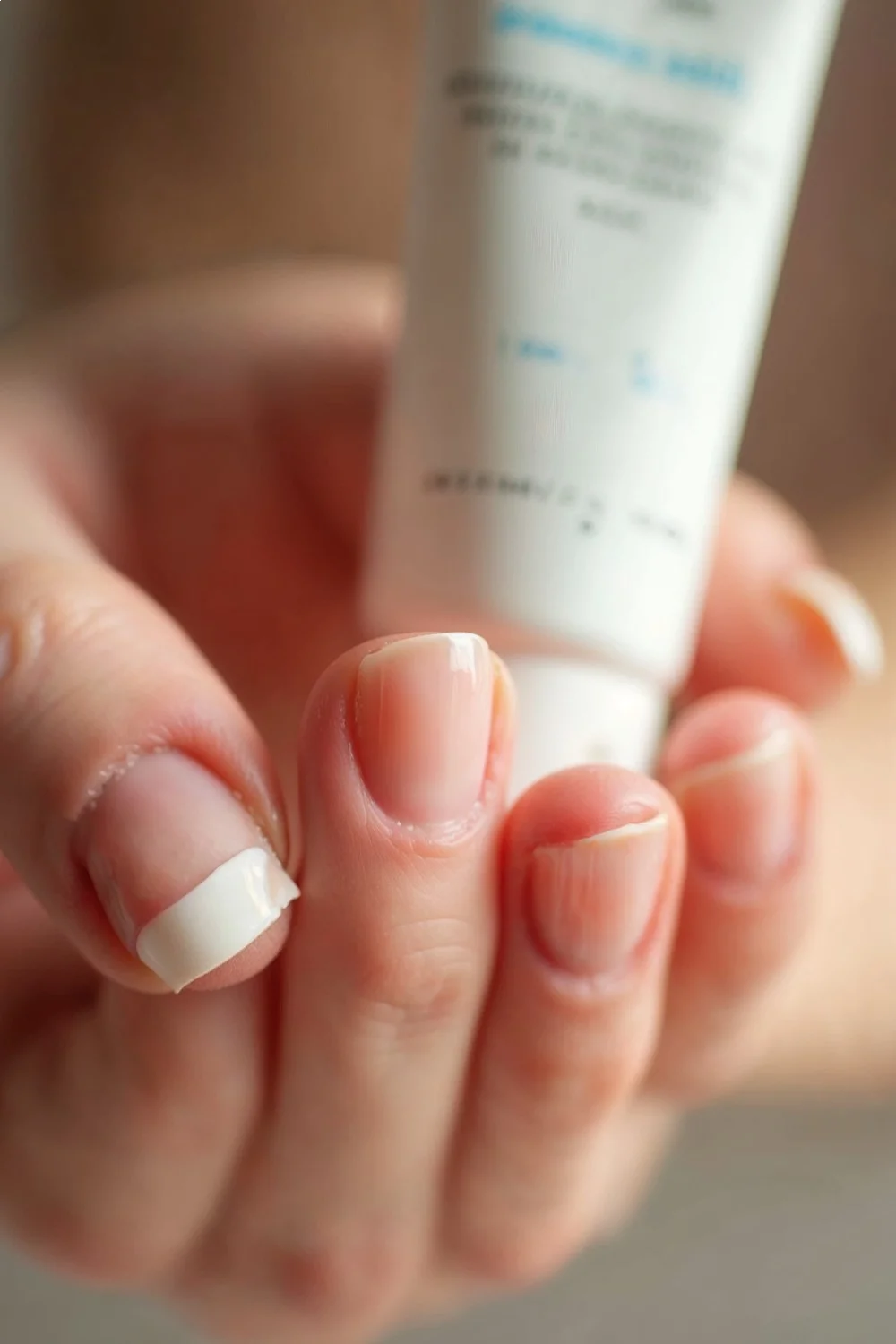
Industry guidance from the American Academy of Dermatology emphasizes that cuticles should never be cut except by trained professionals in specific medical circumstances. The tissue protects against pathogens, and breaking this seal creates entry points for infection. Yet beauty industry marketing has historically promoted cuticle removal as essential for polished appearance, creating widespread confusion about best practices. Understanding the distinction between living cuticle tissue (eponychium) and dead skin buildup helps clarify proper technique.
Key Finding: The cuticle acts as a protective seal between the nail bed and external environment, and cutting it increases infection risk — American Academy of Dermatology
This guide focuses on preservation-based techniques compiled from dermatological research, professional nail technician practices, and observable product performance across various formulations and price points.
1. Soften Cuticles with Warm Water Soak
Softening cuticle tissue before any manipulation reduces tearing, prevents matrix damage, and makes the pushing process significantly easier. Hard, dry cuticles resist gentle pressure and encourage aggressive techniques that damage living tissue. Water penetration temporarily expands cuticle cells, making them pliable and less likely to catch or tear during the pushing process.
The most effective approach involves soaking fingertips in warm (not hot) water for 3-5 minutes. Temperature matters: water around 100-105°F softens tissue without causing swelling that makes precision difficult. Adding a few drops of gentle soap or cuticle remover solution accelerates the softening process, particularly for thick or overgrown cuticles.
Timing this step matters more than most tutorials acknowledge. Immediately after bathing or showering provides ideal conditions since cuticles have already absorbed moisture. This eliminates the need for a separate soaking step and takes advantage of naturally softened tissue. For dedicated cuticle care sessions, use a small bowl rather than filling a sink—this allows better control of water temperature and prevents contamination from drain bacteria.
Some nail care professionals recommend adding a tablespoon of olive oil or jojoba oil to the water, which deposits a thin hydrating layer on cuticles during the soak. While this adds marginal benefit, plain warm water achieves the primary softening goal. The key is maintaining consistent temperature throughout the 3-5 minute window; water that cools significantly loses effectiveness.
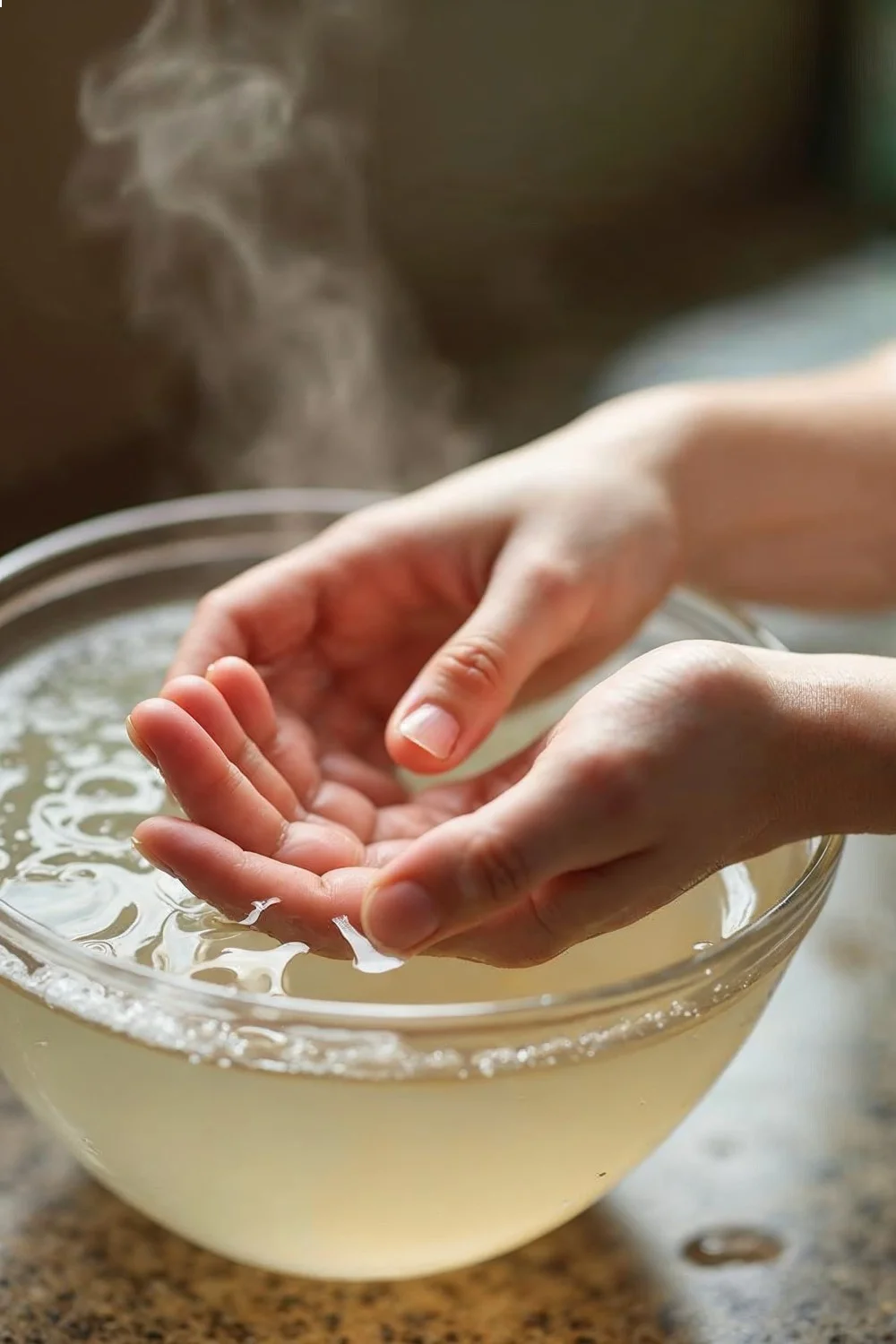
For extremely dry or damaged cuticles, extend soaking to 8-10 minutes. Watch for the cuticle edge to appear slightly whiter and more translucent—this visual cue indicates sufficient water absorption. Pat hands dry gently rather than rubbing, which can roughen softened cuticle edges before you begin the pushing process.
2. Apply Cuticle Remover Gel for Stubborn Growth
Cuticle remover products contain alkaline ingredients that chemically dissolve dead skin buildup on the nail plate without affecting living tissue. This distinction is critical: these formulas target the thin layer of dead cells that migrate onto the nail surface, not the protective eponychium seal. Using remover correctly speeds the process and reduces the physical pressure needed during pushing.
The most common active ingredients include potassium hydroxide and sodium hydroxide at carefully calibrated pH levels. These compounds break down keratin protein in dead skin cells through a process called chemical exfoliation. Most professional formulas work within 30-60 seconds of application, making them significantly faster than water soaking alone for addressing visible overgrowth.
Application technique matters. Brush or squeeze a thin bead of remover along the entire cuticle line, ensuring coverage from sidewall to sidewall. Let it sit for the time specified on product packaging—typically 15-45 seconds depending on formula strength. Setting a timer prevents over-processing, which can cause irritation even though these products don't affect living tissue when used as directed.
Popular options include Sally Hansen Instant Cuticle Remover (around $5 for 1 fl oz, widely available at drugstores) and Blue Cross Cuticle Remover (approximately $7 for 6 oz, professional favorite). The Sally Hansen formula works quickly—usually within 30 seconds—making it efficient for regular maintenance. Blue Cross requires slightly longer contact time but comes in a larger bottle that represents better value for frequent users.
According to guidance from OPI's cuticle care resources, remover should never remain on cuticles longer than 90 seconds regardless of product claims. Extended exposure doesn't improve results and may cause dryness or sensitivity. After the appropriate time, proceed immediately to pushing—the chemical action has prepared the surface, and waiting allows partial reversal of the softening effect.
One frequent mistake involves using cuticle remover as a soak or leaving it on throughout the entire manicure process. These products work through active chemical process, not extended contact time. The alkaline pH that makes them effective also means they should be removed thoroughly after serving their purpose.
3. Push Cuticles Back Gently with Proper Tools
The pushing technique determines whether cuticle care improves or damages nail health. Proper pressure, angle, and tool selection make the difference between maintaining the protective seal and creating micro-tears that invite infection. This step should never cause pain, bleeding, or visible blanching of tissue—all signs of excessive force that risk matrix damage.
A rubber-tipped cuticle pusher or orangewood stick wrapped with cotton provides the right combination of firmness and give. Metal pushers require more skill to avoid injury; their rigid surface and sharper edges create higher risk of cutting into living tissue. The Tweezerman Pushy and Nail Cleaner (around $9) features a rubber cup tip that conforms slightly to nail curvature, distributing pressure evenly. Trim Clippers' wooden cuticle sticks (approximately $4 for 100-count) offer an economical alternative that you can use once and discard, eliminating sanitation concerns.
Position the pusher at a 35-45 degree angle to the nail plate rather than straight up and down. This angle allows you to slide the tool along the plate surface, guiding cuticle tissue back toward the nail fold rather than forcing it upward. Start at one sidewall and work across the nail in small, overlapping motions. The goal is moving the cuticle line back to its natural position at the base of the nail plate, not scraping the entire cuticle off.
Pressure should feel firm but gentle—comparable to spreading soft butter on bread. If you're pressing hard enough to see the nail plate blanch white under the pusher, you're applying excessive force. Most beginners push too hard initially; the softening from soaking and cuticle remover does most of the work.
As detailed in Healthline's guide to pushing back cuticles, the technique should expose the lunula (the white half-moon shape at the nail base) without pushing into the nail fold itself. That fold is where the nail plate emerges from the matrix, and aggressive pushing in this area can damage new growth cells, leading to ridges or weak spots in the nail as it grows out.
Work on one nail at a time rather than applying remover to all nails simultaneously. This prevents the remover from drying on nails you haven't reached yet and ensures each nail receives proper attention. For nails with significant overgrowth, make two passes: a gentle initial pass to address the bulk of excess tissue, then a second refined pass after rinsing and checking progress.
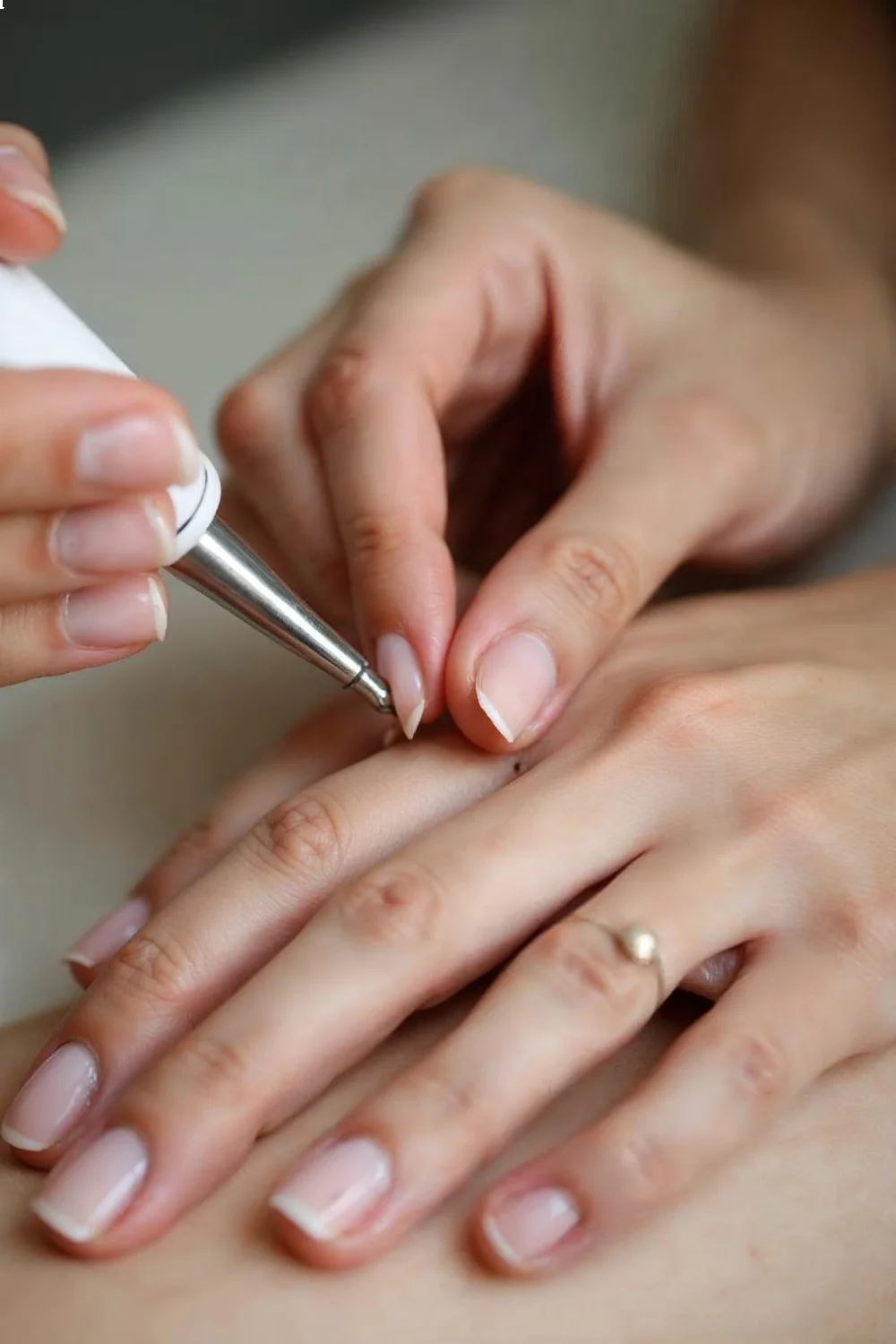
4. Remove Excess Dead Skin with Cuticle Nipper (Sparingly)
Cuticle nippers serve a specific, limited purpose: removing loose hangnails and dead skin flaps that catch on fabric or hair. They should never be used to cut the cuticle seal itself. This distinction separates safe maintenance from practices that compromise nail health. Most people can maintain healthy cuticles without ever using nippers; they're optional rather than essential.
The key is identifying what to trim. Hangnails—those painful strips of torn skin along the sidewalls—qualify for careful removal. Loose bits of dead skin that lift away from the nail plate after pushing also fall into this category. The attached cuticle forming a seal at the nail base does not. Cutting attached tissue creates openings for bacteria, fungi, and other pathogens.
High-quality nippers make safer trimming possible. Tweezerman Stainless Steel Cuticle Nipper (approximately $18-24) and Seki Edge Stainless Steel Cuticle Nipper (around $15-20) both feature sharp, precisely aligned blades that cut cleanly without pulling or tearing tissue. Dull or misaligned nippers crush tissue before cutting, creating rough edges that are more likely to catch and tear further.
Technique requires steady hands and good lighting. Hold the nipper so blades are parallel to the skin surface, not perpendicular. Position the blades to cut just the lifted or torn portion, staying as close to its base as possible without cutting into healthy tissue. Make one clean cut rather than multiple nibbling cuts, which create more opportunities for uneven edges.
Key Finding: Cutting cuticles at home significantly increases risk of infection and doesn't improve nail growth or appearance compared to gentle pushing and maintenance — American Academy of Dermatology
If you find yourself using nippers frequently or on multiple nails each session, that's a sign of underlying dryness or excessive pushing rather than a need for more trimming. Well-hydrated cuticles pushed gently at appropriate intervals rarely develop loose skin that requires cutting. Address the root cause through better hydration and gentler technique rather than relying on nippers as a regular tool.
Sanitize nippers before each use by wiping blades with rubbing alcohol. This removes bacteria from previous use and any accumulated product residue. Store them closed in a clean, dry location rather than in a humid bathroom environment that promotes bacterial growth.
5. Hydrate Daily with Cuticle Oil or Balm
Daily hydration is the single most impactful cuticle care practice for long-term nail health. Cuticle tissue lacks its own oil glands, depending on migration of sebum from surrounding skin and external application for moisture maintenance. Without regular hydration, cuticles dry out, crack, and pull away from the nail plate, creating gaps where infections begin and compromising the protective seal.
The chemical composition of cuticle oils explains their effectiveness. Most quality formulas contain jojoba oil, which closely mimics human sebum in molecular structure, allowing superior absorption compared to heavier oils. Vitamin E provides antioxidant protection against environmental damage, while ingredients like sweet almond oil and avocado oil deliver fatty acids that strengthen the cuticle barrier.
Application frequency matters more than quantity. A single drop massaged into each cuticle once daily maintains adequate hydration for most people. The best timing is before bed—overnight absorption allows ingredients to penetrate deeply without interference from hand washing or hand sanitizer. For very dry cuticles or those recovering from damage, twice-daily application (morning and night) accelerates improvement.
According to research compiled from salon technicians and product testing, Allure's analysis of cuticle oil benefits confirms that consistent application shows visible improvement within 5-7 days: cuticles appear plumper, smoother, and more flexible. After 2-3 weeks of daily use, most people see reduction in hangnails and easier cuticle pushing during manicures.
Product options span wide price ranges with observable differences in absorption speed and scent. CND SolarOil (approximately $8-10 for 0.5 fl oz) combines jojoba and vitamin E in a lightweight formula that absorbs within 2-3 minutes. The distinctive almond scent serves as a sensory reminder for daily application. Essie Apricot Cuticle Oil (around $9 for 0.46 fl oz) offers similar performance with a fruit-forward fragrance. For budget-conscious buyers, pure jojoba oil from health food stores (typically $6-8 per fl oz) provides the primary benefit without additional ingredients, though absorption takes slightly longer.
Balm formulas trade faster absorption for longer-lasting barrier protection. Burt's Bees Lemon Butter Cuticle Cream (approximately $6 for 0.6 oz) uses beeswax to create an occlusive layer that prevents moisture loss for several hours. This makes balms particularly effective for overnight treatment or for people who work in drying environments like healthcare or food service where frequent hand washing strips away lighter oils.
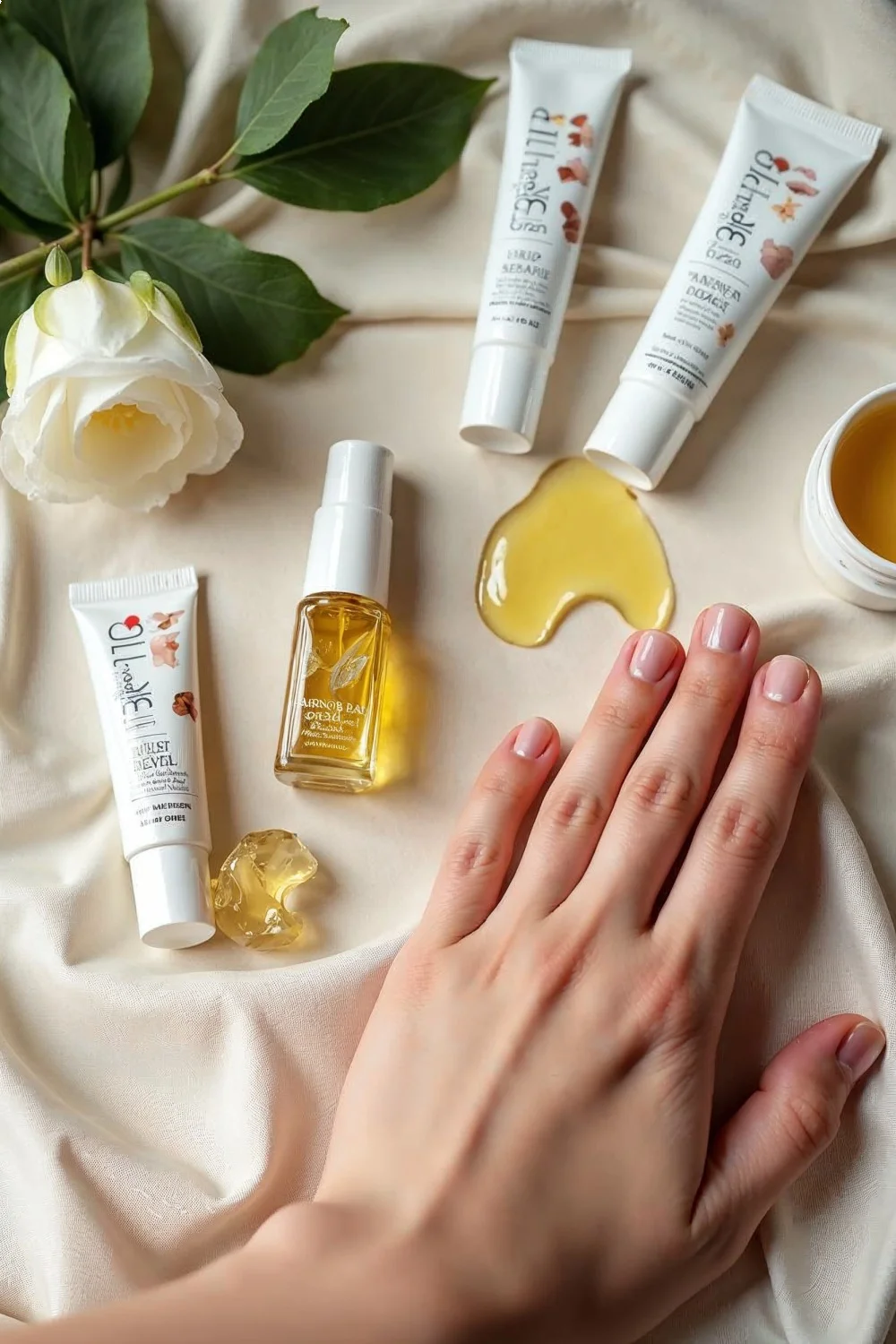
6. Massage to Improve Circulation and Absorption
Massaging cuticles and the nail bed area during oil application serves dual purposes: it enhances product absorption and stimulates blood flow to the nail matrix, potentially supporting faster, stronger growth. The mechanical action works the oil into tissue layers while gentle pressure encourages circulation in the small capillaries that feed the matrix where new nail cells form.
Technique involves more than rubbing oil around haphazardly. After applying a drop of cuticle oil to each nail, use the thumb of your opposite hand to massage each cuticle in small, circular motions for 15-20 seconds. Focus on three areas: the cuticle line itself, the sidewalls where hangnails commonly form, and the nail fold at the base where the matrix lies beneath. Light to medium pressure suffices; this isn't deep tissue massage, and excessive pressure won't improve results.
Extending the massage to the entire nail plate spreads a thin oil layer across the surface, which can temporarily improve shine and flexibility. This becomes particularly valuable for strengthening weak nails that tend toward brittleness. While the nail plate itself is dead tissue that can't absorb nutrients, surface conditioning reduces moisture loss that leads to peeling and breakage.
The circulation benefit, while harder to measure directly, aligns with widely accepted principles in dermatology and nail science. Blood flow delivers oxygen and nutrients to the matrix cells responsible for nail production. Even modest improvement in circulation to this area theoretically supports optimal growth conditions. That said, massage won't dramatically accelerate growth in healthy individuals—genetics largely determine growth rate. The benefit appears more pronounced for people with poor peripheral circulation or those recovering from nail damage.
Some nail professionals recommend combining cuticle massage with pressure point stimulation. Pressing firmly on the pad of each fingertip for 3-5 seconds supposedly stimulates nerve endings connected to overall finger circulation. While anecdotal rather than scientifically validated, the practice takes minimal time and carries no downside risk.
For maximum benefit, perform this massage routine daily during oil application rather than only during manicures. The cumulative effect of regular stimulation outweighs occasional longer sessions. A 2-3 minute routine before bed covering all ten nails establishes a sustainable habit that fits easily into existing routines.
7. Avoid Harsh Chemicals and Excessive Water Exposure
Cuticle health deteriorates rapidly under chemical assault and prolonged water exposure, both of which strip natural oils and compromise barrier integrity. Understanding which exposures cause the most damage allows strategic protection without unrealistic lifestyle changes. The goal is minimizing unavoidable contact and mitigating its effects, not achieving perfect isolation.
Household cleaning products rank among the worst cuticle offenders. Dish soap, all-purpose cleaners, and especially products containing bleach or ammonia actively dissolve oils and denature proteins in cuticle tissue. A single unprotected dish washing session can undo several days of careful hydration. Wearing nitrile gloves during any cleaning task provides complete protection; vinyl and latex offer similar benefits though some people experience sensitivity to latex proteins.
Water exposure presents a more nuanced challenge since complete avoidance isn't practical. The issue isn't water itself but prolonged immersion that causes cuticle tissue to swell, then contract repeatedly as it dries. This expansion-contraction cycle weakens cellular structure and creates microscopic cracks where moisture escapes. Hand washing for 20-30 seconds causes minimal damage; 20-minute dishwashing sessions or long baths create cumulative problems.
Alcohol-based hand sanitizers, while essential for infection control, also strip natural oils rapidly. The rapid evaporation that makes them convenient also dehydrates surrounding tissue. Following hand sanitizer use with a drop of cuticle oil or hand cream counteracts this effect. Keep a small cuticle oil pen in your bag or car for quick reapplication after sanitizing.
Occupational exposure affects nail health significantly. Healthcare workers, bartenders, hair stylists, and food service employees face constant hand washing and chemical contact. For these groups, applying cuticle oil 2-3 times daily becomes necessary rather than excessive, and wearing appropriate gloves whenever possible proves essential. Some professionals apply a thick layer of cuticle balm before bed and wear cotton gloves overnight to maximize repair during off-hours.
Chlorine in swimming pools deserves special mention. It's particularly aggressive at breaking down oils and proteins. Applying waterproof sunscreen to hands before swimming creates a temporary barrier, though it's admittedly imperfect. Rinsing hands immediately after pool time and applying cuticle oil within 15-20 minutes limits damage.
8. Use Gentle Nail Polish Remover and Limit Frequency
Nail polish remover, particularly acetone-based formulas, aggressively dehydrates cuticles during polish removal. The same solvent action that dissolves polish also strips oils from surrounding tissue. Strategic remover selection and application technique minimize this unavoidable damage, making it one of the most controllable factors in cuticle health for regular polish users.
Acetone represents the harshest but most efficient option. It removes polish quickly—typically in 10-15 seconds of contact—which paradoxically can mean less total cuticle exposure than slower removers that require repeated wiping. Pure acetone (available at beauty supply stores for $4-6 per 16 oz) works faster than drugstore "acetone nail polish remover," which is usually diluted to 70-80% concentration. The speed difference matters: 10 seconds of pure acetone exposure causes less cumulative damage than 45 seconds of diluted formula contact.
Non-acetone removers use alternative solvents like ethyl acetate or isopropyl alcohol. These feel less harsh during use and don't create the intense drying sensation acetone produces. The tradeoff is significantly longer removal time—often 30-60 seconds of rubbing per nail—meaning more friction and prolonged solvent contact. For regular polish (not gel or long-wear formulas), non-acetone works adequately. For gel polish or glitter polish, acetone becomes necessary regardless of preference.
Application technique matters as much as formula choice. The common practice of holding remover-soaked cotton against the nail for 20-30 seconds maximizes cuticle exposure. A better approach: saturate a cotton pad with remover, press it briefly against the nail (3-5 seconds), then wipe firmly from cuticle to tip in one continuous motion. This limits how long remover sits against cuticle tissue. For gel polish removal, use the foil wrap method with careful placement that keeps acetone-soaked cotton centered on the nail plate rather than overflowing onto cuticles.
Frequency of polish changes directly impacts cumulative cuticle damage. Changing polish every 2-3 days for aesthetic reasons exposes cuticles to significantly more solvent than weekly changes. If you enjoy frequent color changes, consider leaving cuticles bare (no polish within 1-2mm of the cuticle line) to reduce solvent contact during removal.
As outlined in guidance for removing gel nails at home safely, the key is minimizing total acetone contact time through proper technique and immediately following removal with cuticle oil application. Waiting even 30 minutes before rehydrating allows damage to compound as the dried tissue becomes more prone to cracking.
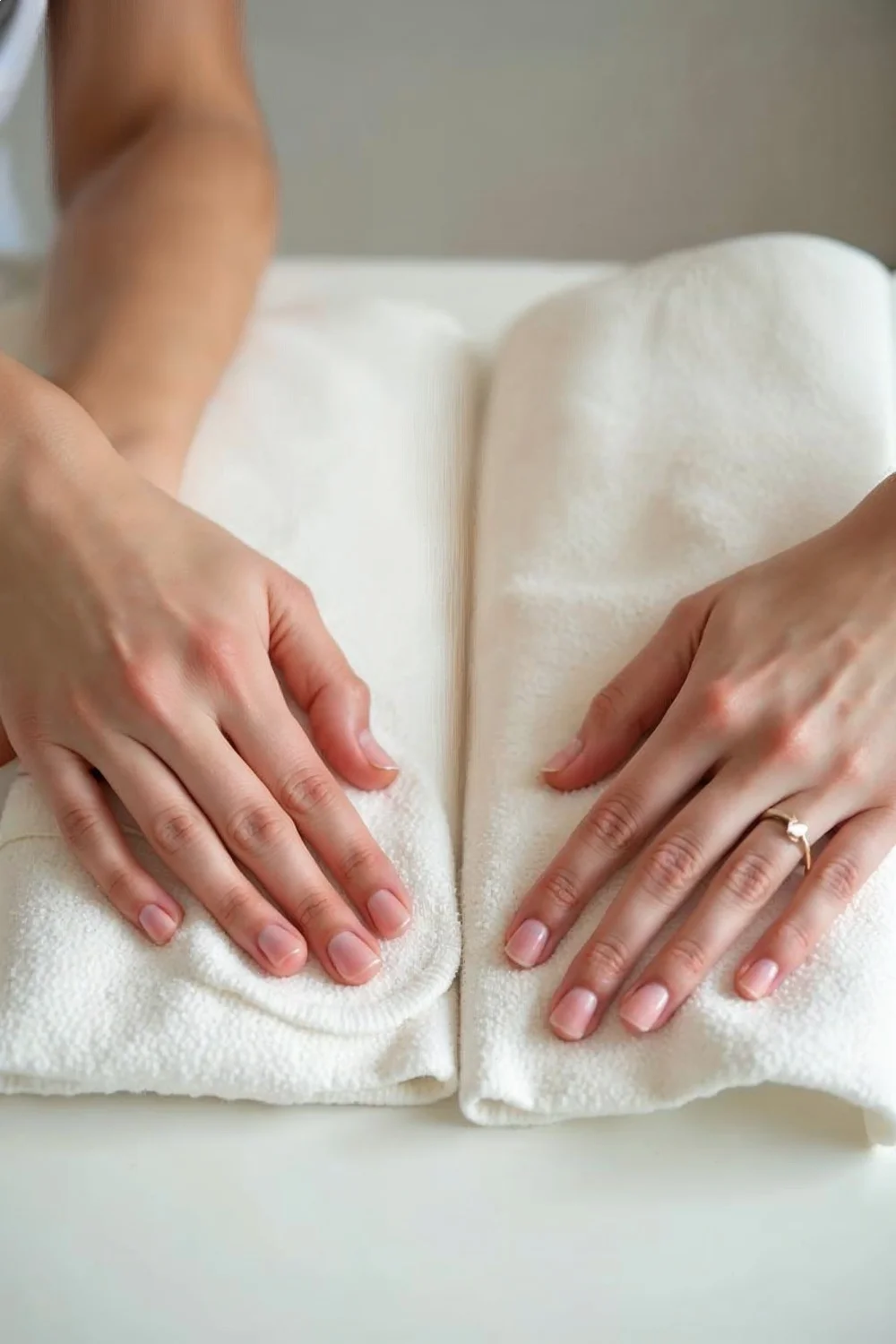
9. Maintain Regular Manicure Schedule with Gentle Technique
Consistent cuticle maintenance on a predictable schedule prevents the overgrowth that tempts aggressive removal. Establishing a rhythm aligned with your nail growth rate keeps cuticles manageable with minimal intervention per session. Most people find 7-14 day intervals appropriate; faster nail growth requires more frequent attention while slower growth allows longer gaps.
The "gentle technique" philosophy applies throughout the entire manicure process. This starts with minimal cuticle manipulation—just enough pushing to establish a clean nail plate edge, never scraping or cutting to achieve an unnaturally receded cuticle line. That overly-pushed look some salons create might appear polished immediately after the manicure, but it damages the protective seal and often leads to overgrowth rebound as tissue attempts to reestablish its defensive position.
A home manicure focused on cuticle health follows a specific sequence: soak, apply remover (if needed), push gently, rinse thoroughly, apply oil, massage briefly, and then proceed to polish application if desired. The rinse step proves critical—leftover cuticle remover continues its chemical action and can cause irritation under polish. Pat hands dry rather than rubbing, which can roughen freshly-pushed cuticles.
Scheduling matters for compliance. Setting a specific day ("Sunday night manicure") or linking it to an existing routine ("polish change every payday") creates consistency that makes proper cuticle care automatic rather than an afterthought. Consistency outperforms perfect technique performed sporadically.
For those who get professional manicures, communicating your cuticle care preferences prevents miscommunication. Many nail technicians trained in traditional methods cut cuticles by default unless clients specifically request no cutting. A simple "please push only, no cutting" clarifies expectations. If the technician insists cutting is necessary, that's a red flag about their training or salon policy.
Between manicure sessions, daily oil application maintains the benefits without requiring full cuticle pushing. Think of the full cuticle routine as weekly maintenance and daily oiling as preventive care that extends the results. This two-tier approach proves more sustainable than elaborate daily routines that become burdensome.
10. Support Cuticle Health from Within
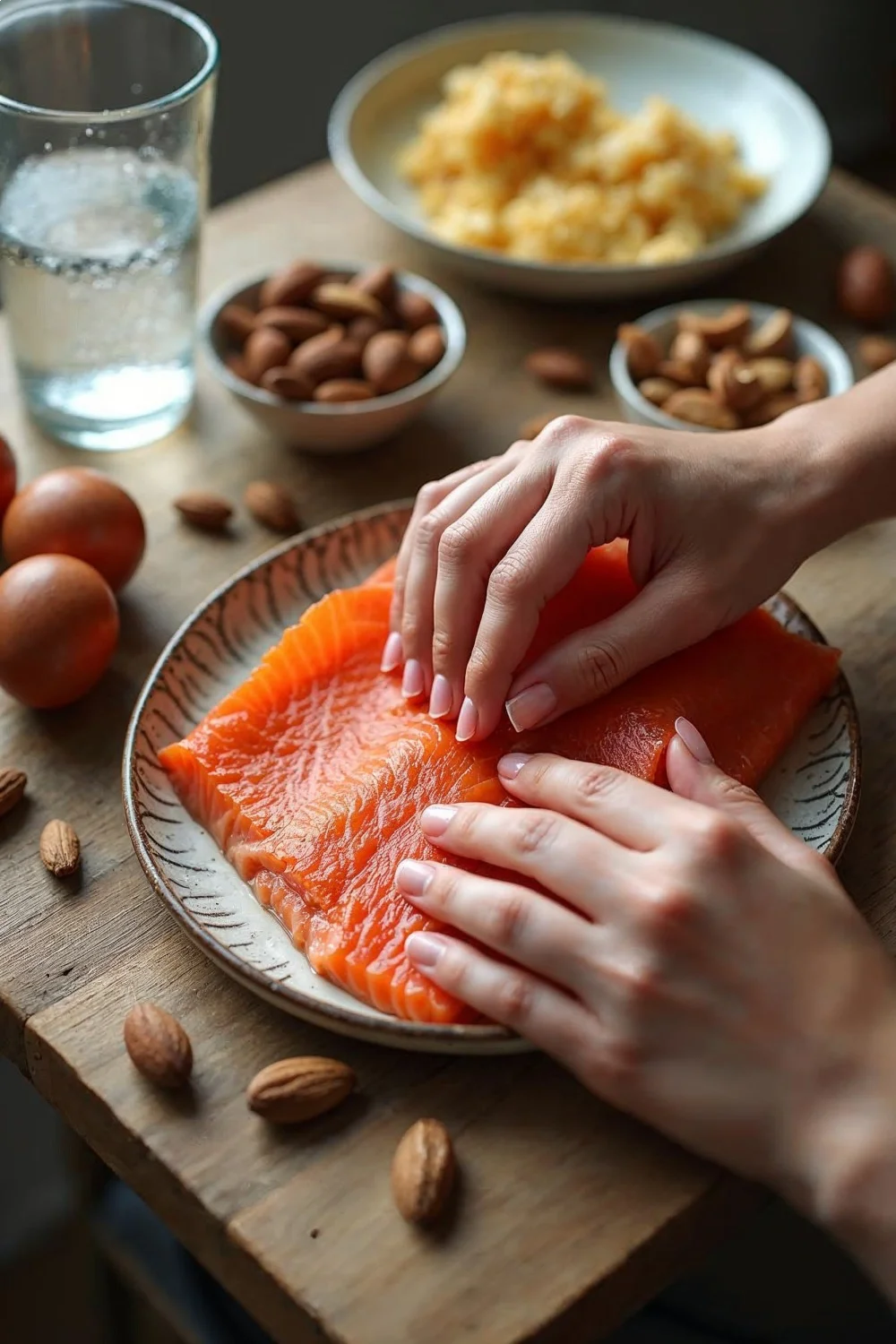
Cuticle and nail health reflect overall nutritional status and hydration, with deficiencies often appearing first in these rapidly-regenerating tissues. While topical care addresses surface issues, internal factors determine the quality of new growth emerging from the matrix. This inside-out approach complements external cuticle care rather than replacing it.
Hydration status affects skin moisture throughout the body, including cuticles. The standard guidance to drink adequate water—typically 8-10 cups daily for most adults—supports moisture balance in peripheral tissues like cuticles. Dehydration shows up as dryness that topical products can only partially counteract. For people living in dry climates or working in dehydrating environments, increasing water intake often produces noticeable improvement in cuticle pliability within a few days.
Biotin (vitamin B7) receives the most attention in nail health discussions, with some research suggesting supplementation improves nail thickness and reduces splitting in people with brittle nails. While evidence for biotin's effect on cuticle health specifically is limited, the connection between nail plate quality and cuticle health means improvements in one often benefit the other. Typical supplementation ranges from 2.5-5mg daily, though many people obtain adequate biotin from diet alone through eggs, nuts, and legumes.
Protein intake matters since nails and cuticles consist primarily of keratin, a structural protein. Inadequate protein consumption leads to weak, slow-growing nails and thin, easily-damaged cuticles. Most people in developed countries consume sufficient protein, but those following restrictive diets or with absorption issues may benefit from attention to protein sources.
Essential fatty acids, particularly omega-3s from fish, flaxseed, or supplements, support cell membrane integrity throughout the body including in cuticle tissue. These fats help maintain the skin barrier that prevents moisture loss. Observable benefits typically appear after 4-6 weeks of consistent intake since these nutrients incorporate into new cell growth rather than affecting existing tissue.
Iron deficiency, while less commonly discussed in nail care contexts, can cause brittle nails and dry cuticles alongside other symptoms. If cuticle problems persist despite excellent topical care and adequate hydration, checking iron levels through routine blood work provides useful information. This proves particularly relevant for menstruating women, vegetarians, and others at higher risk for iron deficiency.
For comprehensive nail health guidance including nutritional factors, science-backed methods for faster nail growth covers the internal factors that complement external cuticle care practices.
| Nutrient | Role in Nail/Cuticle Health | Dietary Sources | Typical Supplement Dose |
|---|---|---|---|
| Biotin (B7) | Improves nail thickness and strength | Eggs, nuts, legumes, whole grains | 2.5-5mg daily |
| Protein | Provides keratin building blocks | Meat, fish, eggs, dairy, legumes | 0.8g per kg body weight |
| Omega-3 fatty acids | Maintains cell membranes and moisture barrier | Fatty fish, flaxseed, walnuts, algae | 250-500mg EPA/DHA daily |
| Iron | Supports healthy tissue growth and oxygenation | Red meat, spinach, lentils, fortified cereals | 18mg for women, 8mg for men |
| Water | Maintains tissue hydration and pliability | Plain water, herbal tea, water-rich foods | 8-10 cups daily |
Comparison: Cuticle Care Approaches
| Method | Frequency | Time Required | Cost | Best For |
|---|---|---|---|---|
| Basic push-and-oil | Weekly | 10 minutes | $15-25 (initial tools) | Regular maintenance, healthy cuticles |
| Chemical remover + push | Every 10-14 days | 15 minutes | $20-30 (includes remover) | Moderate overgrowth, faster results |
| Professional manicure | Every 2-4 weeks | 45-60 minutes | $25-45 per visit | Those preferring professional care |
| Daily oil only | Daily | 2-3 minutes | $8-15 per bottle (lasts 3-4 months) | Prevention, maintaining existing health |
| Intensive repair routine | Daily for 2-3 weeks | 15-20 minutes | $30-40 (includes balm, oil, tools) | Damaged cuticles, chronic dryness |
Which Cuticle Care Routine is Right for You?
Your ideal cuticle care approach depends on current cuticle condition, lifestyle factors, and maintenance preferences. These recommendations provide starting points based on common situations:
For healthy cuticles that just need maintenance: The basic weekly push-and-oil routine suffices. Soak briefly, push gently with a rubber-tipped tool, apply cuticle oil daily. This minimal intervention preserves natural protective barriers while keeping the nail plate edge clean. Total weekly time commitment: 10 minutes of active care plus 30 seconds daily for oil application.
For overgrown or thick cuticles: Add cuticle remover gel to your routine every 10-14 days. The chemical assist makes pushing easier and more effective without requiring aggressive pressure that risks damage. After 4-6 weeks of consistent care, you'll likely find overgrowth becomes less problematic and you can reduce remover frequency.
For very dry or damaged cuticles: Implement an intensive repair approach for 2-3 weeks, then transition to maintenance. This involves twice-daily cuticle oil or balm application, overnight treatments with thick balm and cotton gloves once or twice weekly, and strict protection from chemicals and excessive water. Most people see significant improvement within 10-14 days.
For people who get regular gel manicures: Focus on daily oil application and immediate rehydration after acetone exposure during gel nail removal. The repeated acetone exposure from gel removal makes preventive hydration essential. Consider bringing your own cuticle oil to salon appointments for immediate post-service application.
For minimal-maintenance preferences: Daily cuticle oil application alone, without regular pushing, prevents most problems. While cuticles may extend slightly further onto the nail plate than with active pushing, daily hydration keeps them soft, prevents hangnails, and maintains the protective seal. This approach works well for people who prefer natural nail looks or short nails where cuticle position is less noticeable.
For chronic hangnails or cracking: Address external and internal factors simultaneously. Increase daily water intake, evaluate dietary protein and omega-3 consumption, apply cuticle balm rather than oil (the heavier formula provides better barrier protection), and wear gloves during all cleaning tasks. Chronic issues despite good topical care warrant discussion with a dermatologist to rule out underlying conditions.
The connecting thread across all approaches: gentle technique and consistency outperform aggressive intervention. Cuticle health improves gradually through regular care rather than dramatically through intensive sessions. Establishing realistic habits you'll maintain long-term produces better results than elaborate routines you abandon after two weeks.
Frequently Asked Questions
Which Cuticle Care Routine is Right for You?
Your ideal cuticle care approach depends on current cuticle condition, lifestyle factors, and maintenance preferences. These recommendations provide starting points based on common situations: For healthy cuticles that just need maintenance: The basic weekly push-and-oil routine suffices.