How to Make Nails Grow Faster: 12 Science-Backed Methods
Nails grow approximately 3.5 millimeters per month on average, but biotin supplementation, proper hydration, cuticle care, and protective base coats can...
 Mia Chen
Nails grow approximately 3.5 millimeters per month on average, but biotin supplementation, proper hydration, cuticle care, and protective base coats can optimize this rate while preventing breakage that makes growth appear slower. The key is understanding that true growth acceleration is modest—most methods work by preventing damage rather than speeding cellular production.
- Biotin supplementation shows measurable improvement in nail thickness and reduced splitting after three months of consistent use
- Cuticle oil application maintains the nail matrix health, where growth actually occurs
- Protective base coats prevent breakage that undermines natural growth
- Protein-rich diets support keratin production, the structural component of nails
- Most "growth" methods actually work by preventing damage rather than accelerating cell division
The nail care market often conflates two distinct goals: accelerating biological growth rates and preventing breakage that makes nails appear shorter. Based on dermatological research and published studies, the biological growth rate of nails is relatively fixed—approximately 3-4mm monthly—and influenced primarily by genetics, age, and overall health. However, strategic interventions can optimize this natural process and dramatically reduce the breakage that undermines visible length. Understanding ingredients for stronger, healthier nails means understanding the biological mechanisms at play and selecting evidence-based solutions rather than relying on marketing claims.
1. Biotin Supplementation (2.5mg Daily)
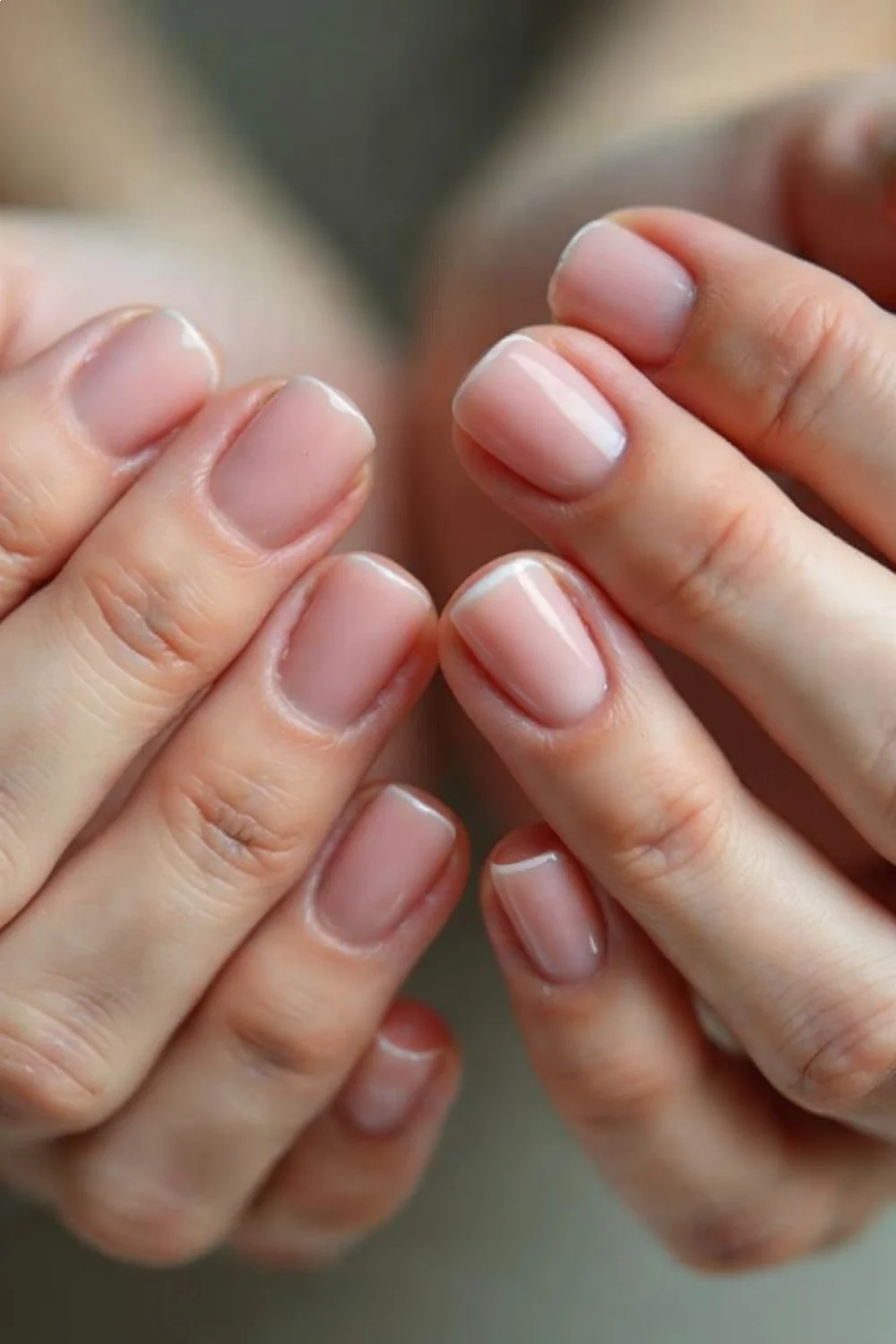
Biotin supplementation ranks first because it's one of the few interventions with published clinical evidence demonstrating measurable improvement in nail health. According to research reviewed by the Mayo Clinic, biotin (vitamin B7) plays a role in keratin production, and supplementation can increase nail thickness and reduce splitting in individuals with brittle nails.
The recommended dosage for nail health is 2.5mg (2,500 micrograms) daily, though many over-the-counter supplements contain 5,000-10,000mcg. Nature's Bounty and Sports Research are commonly available brands at drugstores, typically priced $8-15 for a three-month supply. The key limitation: results require consistent use for at least three months before visible improvement appears, since you're waiting for new nail growth from the matrix to reach the free edge.
Biotin works by supporting the production of keratin, the fibrous structural protein that forms the nail plate. When biotin levels are adequate, the nail matrix (the tissue beneath the cuticle where growth occurs) can produce stronger, more resilient nail cells. This doesn't necessarily accelerate growth rate, but it does produce thicker nails less prone to splitting and peeling—which means the length you grow actually stays intact.
One critical note: biotin supplementation can interfere with certain lab tests, particularly thyroid function tests and troponin levels. If you're undergoing medical testing, inform your healthcare provider about biotin use.
Key Finding: Biotin supplementation at 2.5mg daily can increase nail thickness and reduce splitting, though results require three months of consistent use before new growth reaches visible length — Mayo Clinic
2. Cuticle Oil Application (Daily)
Cuticle oil deserves this position because the cuticle protects the nail matrix—the growth center beneath your skin where nail cells are actually produced. When cuticles are dry, cracked, or damaged, the matrix can become inflamed or infected, disrupting the growth process. Daily cuticle oil application keeps this protective barrier healthy and maintains optimal conditions for steady growth.
Jojoba oil is particularly effective because its molecular structure closely resembles human sebum, allowing it to penetrate the nail fold more effectively than heavier oils. CND SolarOil ($8-10 for 0.25 oz) and Sally Hansen Vitamin E Nail & Cuticle Oil ($5-7) are widely available options that combine jojoba with vitamin E. Pure jojoba oil from beauty supply stores ($6-8 for 2 oz) works equally well at a better price point.
The application technique matters: massage a small amount into the cuticle and surrounding skin twice daily, particularly before bed. This isn't just surface moisturizing—you're delivering nutrients to the matrix area and maintaining flexibility in the proximal nail fold, which allows new nail cells to emerge without restriction.
The American Academy of Dermatology emphasizes cuticle care in their nail health guidelines, noting that aggressive cuticle removal or chronic dryness can damage the matrix and cause permanent nail irregularities. Gentle maintenance is key.
3. Protective Base Coat Application
Base coats made the list because preventing breakage is just as important as supporting growth—a nail that breaks at 5mm might as well not have grown at all. Protective base coats create a flexible barrier that distributes stress across the nail plate, reducing the likelihood of splits and chips that undermine length.
Look for formulations containing nylon fibers or calcium pantothenate. OPI Nail Envy ($10-12) and Essie Treat Love & Color ($9-11) are drugstore options that function as both base coat and sheer color. For serious strengthening, Nailtiques Formula 2 ($12-15) contains protein and keratin that bond to the nail surface. These products work best when applied to clean, bare nails and reapplied every 2-3 days as a maintenance layer.
The mechanism is straightforward: the polymer film created by base coats adds a thin reinforcement layer that makes the nail plate more resistant to lateral stress—the type that causes splits at the free edge. For additional detail on selecting effective formulations, the best nail strengthener guide provides comprehensive ingredient analysis and product comparisons.
One warning: avoid formaldehyde-containing strengtheners for daily use. While they create a temporarily harder surface, they also make nails more brittle over time, increasing breakage risk. Check ingredient lists carefully.
4. Adequate Protein Intake
Protein consumption matters because nails are composed primarily of keratin, a structural protein synthesized from amino acids obtained through diet. Insufficient protein intake can result in slower nail growth and weaker nail structure, regardless of topical treatments or supplements.
The recommended dietary allowance for protein is 0.8 grams per kilogram of body weight daily, though active individuals may need more. For a 150-pound person, this translates to approximately 55 grams daily minimum. Lean meats, eggs, legumes, and dairy products provide complete amino acid profiles. Vegetarians should ensure adequate lysine intake through quinoa, soy products, or legume-grain combinations.
Based on research compiled by Healthline, protein deficiency can manifest in nail health through horizontal ridges, brittleness, and slowed growth. The effect isn't immediate—it takes 4-6 months for dietary changes to impact nail appearance, since you're waiting for cells formed under the new nutritional conditions to grow out.
Protein timing doesn't appear to matter specifically for nail health, unlike muscle building. Consistent daily intake is what supports steady keratin production in the nail matrix. If you're struggling to meet protein targets through whole foods, collagen peptides (typically $20-35 for a one-month supply) can supplement intake, though whole food sources provide broader nutritional benefits.
5. Hydration (Internal and External)
Hydration earned its position because dehydrated nails become brittle and prone to peeling in horizontal layers—a condition technically called onychoschizia that dramatically undermines any length you manage to grow. Proper hydration keeps the nail plate flexible and resilient.
Internal hydration means adequate water intake—roughly 8-10 cups daily for most adults, adjusted for activity level and climate. The nail plate contains approximately 18% water content; when this drops due to systemic dehydration or environmental exposure, nails become rigid and crack easily.
External hydration involves hand cream application, particularly after water exposure. Look for formulations containing urea, glycerin, or hyaluronic acid—humectants that draw moisture into the nail plate. Neutrogena Norwegian Formula Hand Cream ($4-6) and O'Keeffe's Working Hands ($7-9) are effective drugstore options. Apply within three minutes of washing hands, when the nail plate is most permeable.
One counterintuitive finding: excessive water exposure without proper moisturizing afterward is damaging. Water causes the nail plate to swell, then contract as it dries, creating microcracks that propagate into splits. Healthcare workers, dishwashers, and frequent hand-washers should apply hand cream multiple times daily and consider wearing gloves for prolonged water tasks.
6. Minimize Water and Chemical Exposure
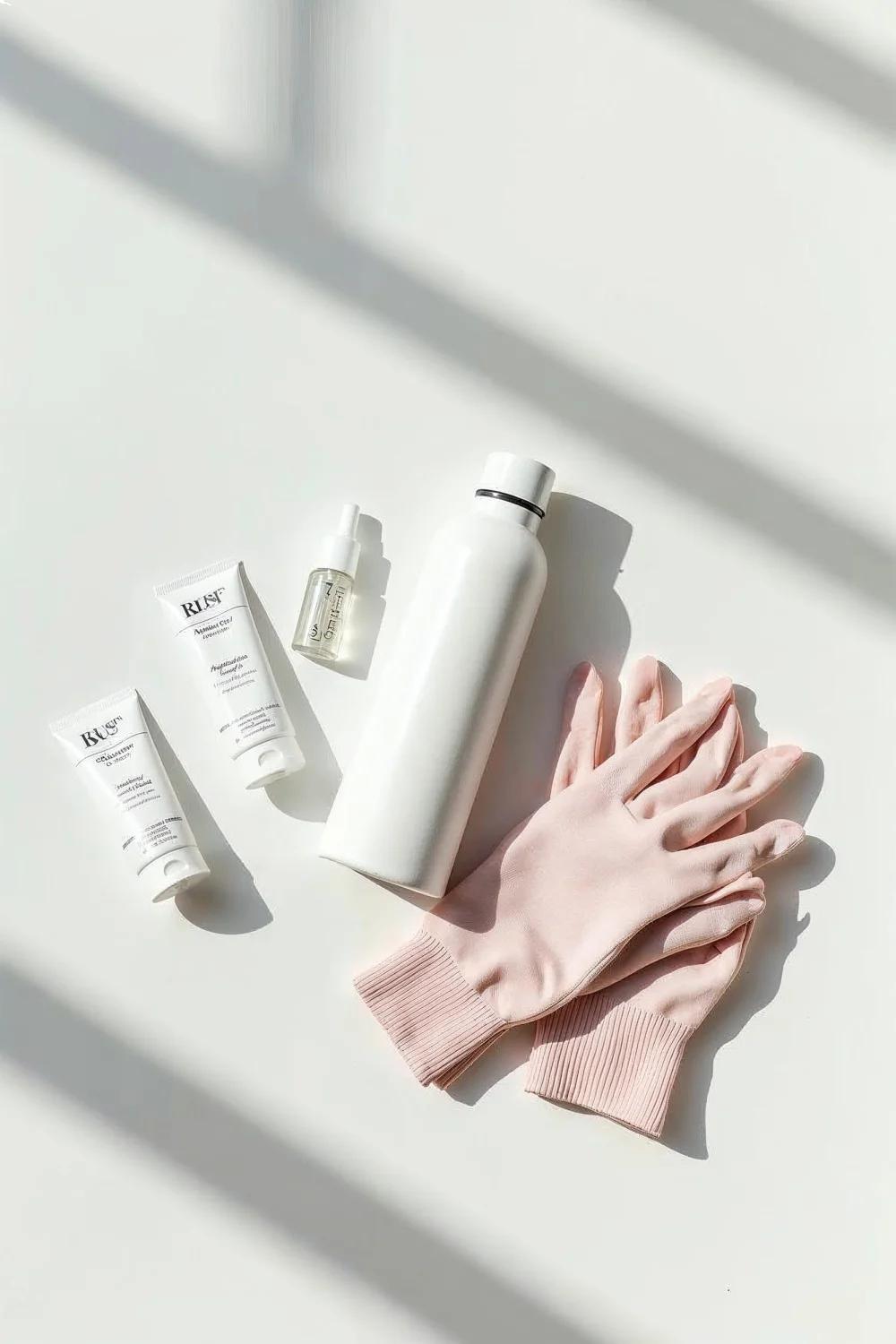
Reducing exposure to water and harsh chemicals matters because these agents strip the natural oils from the nail plate and cause repeated expansion-contraction cycles that weaken the nail structure. This isn't about avoiding hand washing—it's about strategic protection during prolonged exposure.
Wear gloves when washing dishes, cleaning with household chemicals, or doing any task involving water submersion for more than a few minutes. Nitrile gloves ($8-12 for a box of 100) are more durable than latex and less likely to cause allergic reactions. For activities like hair washing where gloves aren't practical, apply a thick layer of cuticle oil before the task to create a temporary protective barrier.
Household cleaning products, particularly those containing acetone, bleach, or ammonia, are especially damaging. They dissolve the natural lipids that bind nail cells together, causing surface peeling and brittleness. According to dermatological guidance from the American Academy of Dermatology, chronic chemical exposure without protection is one of the primary causes of acquired nail brittleness.
For nail polish removal, use acetone-free formulas when possible. Yes, acetone removes polish more efficiently, but it also severely dehydrates the nail plate. Ethyl acetate-based removers take longer but are less damaging with regular use. Follow any polish removal with immediate cuticle oil and hand cream application to restore moisture.
7. Gentle Filing Technique
Filing technique made the list because improper filing causes microscopic tears in the nail plate that propagate into larger splits, undermining length regardless of growth rate. The direction and grit of your file matter more than most people realize.
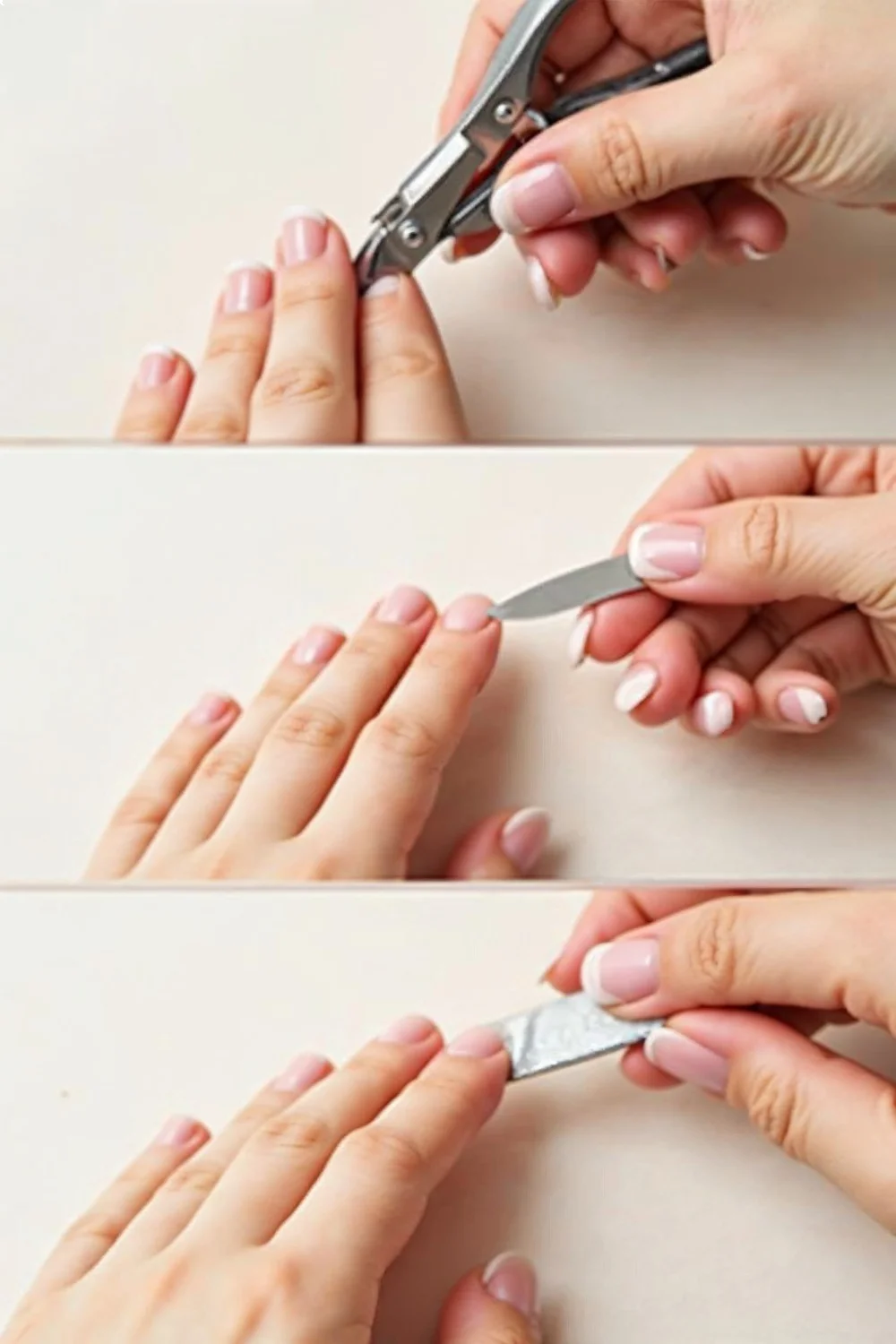
Always file in one direction—from the outer edge toward the center—using smooth, even strokes. The common back-and-forth filing motion creates friction that frays the nail layers, particularly on the sides where the nail plate is thinnest. A glass file or 240-grit emery board provides sufficient smoothing without excessive abrasion. Metal files and coarse emery boards (below 180 grit) are too aggressive for natural nails and should be avoided.
The round nail shape guide provides detailed filing instructions, but the key principle is maintaining nail integrity while shaping. File when nails are completely dry—never immediately after a shower when the nail plate is swollen and soft. Filing wet nails causes the layers to separate more easily.
For those transitioning from gel or acrylic enhancements, the nail plate is often thinner and more vulnerable. Extra-gentle filing with a fine-grit buffer (320-400 grit) is essential during the regrowth period. The strengthen weak nails guide addresses specific strategies for damaged nails recovering from enhancement removal.
8. Avoid Gel and Acrylic Enhancements (Temporarily)
Skipping gel and acrylic enhancements temporarily earned a spot because these services, while cosmetically appealing, involve processes that thin the natural nail plate and disrupt the growth environment. The buffing required for adhesion removes nail layers, and improper removal causes even more damage.
Gel polish requires light buffing to create adhesion, plus UV exposure that some research suggests may contribute to nail plate dehydration. The removal process—whether soaking in acetone or scraping—is where the real damage occurs. According to beauty industry publications, improperly removed gel polish can take off entire layers of the nail plate, requiring 3-6 months for that area to grow out completely.
Acrylic application involves more aggressive nail plate buffing plus primer application that chemically alters the surface. The weight of acrylic enhancements can also stress the nail bed, particularly if applied too thickly. When you're focused on maximizing natural nail growth, the 6-12 week break from enhancements allows the nail plate to recover its natural thickness and the matrix to function without chemical interference.
If you must wear polish, opt for traditional lacquer that requires minimal prep and removes with gentle acetone-free remover. The healthy nail care tips guide provides additional strategies for maintaining nail health while still enjoying occasional color.
For safe removal practices when transitioning away from gel, the detailed guide on removing gel nails at home safely walks through the process that minimizes damage.
9. Silica Supplementation
Silica (silicon dioxide) supplementation appears on this list because preliminary research suggests it may support collagen and keratin synthesis, though the evidence base is less robust than for biotin. Silica is a trace mineral found in whole grains, leafy vegetables, and some supplements marketed for hair and nail health.
Supplement forms include choline-stabilized orthosilicic acid (ch-OSA), which has better bioavailability than other forms. BioSil and Jarrow Formulas produce silica supplements typically priced $15-25 for a one-month supply at the recommended 10mg daily dose. Research on silica's effects specifically on nail growth is limited, but a study published in the Archives of Dermatological Research found that ch-OSA supplementation improved hair and nail quality in women with thin, brittle nails.
The proposed mechanism involves silica's role in cross-linking collagen and elastin, proteins that support the structural matrix within which keratin forms. Stronger matrix structure theoretically produces more resilient nails, though the magnitude of effect appears smaller than biotin supplementation.
Because silica is naturally present in many foods—oats, brown rice, leafy greens, bell peppers—dietary intake through whole foods is worth optimizing before considering supplementation. Unlike biotin, silica supplementation hasn't been extensively studied for safety in high doses, so stick to manufacturer-recommended amounts.
10. Regular Trimming and Maintenance
Regular maintenance made the list because it prevents the compound damage that occurs when a small split propagates upward into the nail plate. A tiny crack at the free edge can quickly tear back to the nail bed if left unaddressed, undoing weeks of growth in seconds.
Trim nails every 1-2 weeks using sharp nail scissors or clippers, cutting straight across and then gently rounding the edges with a fine-grit file. This removes the older, more brittle portion of the free edge that's most susceptible to catching and tearing. Keep nails at a moderate length during the growth-optimization phase—approximately 2-3mm of free edge beyond the fingertip. Longer lengths create more leverage for breakage during daily activities.
The fix broken nails guide provides emergency repair techniques, but prevention through regular maintenance is more effective than repair. Inspect nails daily under good lighting for tiny splits or rough edges, addressing them immediately with a fine file before they worsen.
For those who type frequently or work with their hands, slightly shorter nails (1-2mm free edge) reduce breakage risk considerably. You're optimizing for net growth—the length you maintain—not maximum length before inevitable breakage.
11. Massage Nail Matrix Area
Nail matrix massage appears here because increased circulation theoretically delivers more nutrients and oxygen to the growth center, potentially supporting optimal cell production. While direct research on massage and nail growth is limited, the practice is low-risk and fits within the broader category of promoting healthy nail bed conditions.
Using cuticle oil or hand cream as a lubricant, gently massage the area just behind each cuticle (the proximal nail fold) using small circular motions for 30-60 seconds per nail. The goal is mild stimulation, not aggressive pressure—the matrix is delicate tissue that can be damaged by excessive force.
This practice works best when combined with cuticle oil application (method #2), essentially serving as a delivery mechanism for nourishing oils while potentially enhancing local blood flow. Some nail technicians recommend this technique for clients recovering from nail trauma or enhancement damage, though documented evidence of efficacy is largely anecdotal.
The massage should feel relaxing, not painful. If you notice redness, swelling, or increased sensitivity in the cuticle area, you're applying too much pressure or massaging too frequently. Once daily before bed is sufficient for most people.
12. Address Underlying Health Conditions
Underlying health conditions earned the final position because no topical treatment or supplement can overcome the effects of systemic illness affecting nail growth. Thyroid disorders, anemia, and nutrient malabsorption conditions all manifest in nail health and growth rate.
Hypothyroidism commonly causes slow nail growth, brittleness, and thickening. Iron deficiency anemia can produce thin, concave nails (koilonychia) that break easily. Psoriasis, eczema, and other inflammatory conditions affecting the nail matrix disrupt normal growth patterns. If you've implemented multiple growth-supporting strategies without improvement over 3-4 months, consultation with a healthcare provider or dermatologist is warranted.
Blood tests can identify thyroid dysfunction, anemia, and vitamin deficiencies that may be limiting nail growth. Treatment of the underlying condition typically restores normal nail growth rates within 4-6 months, as new nail cells produced under corrected conditions grow out.
Certain medications also affect nail health. Retinoids, chemotherapy agents, and some antibiotics can cause temporary growth disruption or brittleness. If nail changes coincide with starting a new medication, discuss this with your prescribing physician—sometimes alternative formulations are available with fewer nail-related side effects.
Navigating nail care with research-backed insights means recognizing when professional medical evaluation is appropriate rather than continuing to address a symptom of a deeper health issue through topical means alone.
Comparison: Natural Growth vs. Breakage Prevention
| Method | Primary Mechanism | Visible Results Timeline | Cost Range |
|---|---|---|---|
| Biotin supplementation | Supports keratin production | 3-4 months | $8-15 for 3 months |
| Cuticle oil | Protects nail matrix | 2-3 weeks | $5-10 per bottle |
| Protective base coat | Prevents breakage | Immediate protection | $9-15 per bottle |
| Protein intake | Provides keratin building blocks | 4-6 months | Variable (dietary) |
| Hydration | Maintains flexibility | 2-4 weeks | $4-9 for hand cream |
| Gentle filing | Prevents damage propagation | Immediate | $3-8 for glass file |
Which Method Should You Prioritize?
For someone starting from scratch with brittle, slow-growing nails: Begin with the foundational trio of biotin supplementation, daily cuticle oil, and protective base coat. This combination addresses both the biological growth process and the breakage prevention that undermines visible length. Budget $25-35 initially for a three-month supply of biotin, quality cuticle oil, and a strengthening base coat.
For someone with healthy nails wanting to maximize growth: Focus on dietary optimization (adequate protein and hydration) combined with damage prevention through gentle filing technique and minimizing chemical exposure. These methods cost nothing beyond normal grocery expenses and don't require adding products to your routine.
For someone recovering from gel or acrylic damage: Prioritize methods 7, 8, and 10—gentle filing, avoiding further enhancements, and regular maintenance trimming. Your nail plate needs time to regrow its natural thickness, which takes 4-6 months. During this recovery period, add cuticle oil and a nourishing base coat to support the regrowth process. The strengthen weak nails guide provides additional strategies specific to this situation.
For someone with underlying health concerns: Start with method 12—address potential systemic issues with healthcare provider consultation before investing heavily in topical treatments. Once underlying conditions are managed, the other methods become more effective.
The realistic expectation is modest improvement in growth rate (perhaps 0.5mm additional monthly) combined with dramatically reduced breakage. This means you retain more of the length you grow, which is the practical goal. Patience is essential—meaningful results require 8-12 weeks minimum for new nail growth to reach visible length where you can assess changes.
Frequently Asked Questions
Which Method Should You Prioritize?
For someone starting from scratch with brittle, slow-growing nails: Begin with the foundational trio of biotin supplementation, daily cuticle oil, and protective base coat. This combination addresses both the biological growth process and the breakage prevention that undermines visible length.