Nail Fungus Prevention: 8 Essential Tips for Healthy Nails
Nail fungus prevention centers on keeping nails dry, maintaining proper hygiene, and avoiding shared nail tools.
 Jade Williams
Nail fungus prevention centers on keeping nails dry, maintaining proper hygiene, and avoiding shared nail tools. According to the American Academy of Dermatology, fungal infections thrive in warm, moist environments and can persist for months without treatment, making prevention far more effective than cure.
- Keep nails thoroughly dry after water exposure — fungus thrives in moisture trapped under polish or between nail layers
- Disinfect nail tools between uses with isopropyl alcohol or hospital-grade solution
- Choose breathable footwear and rotate shoes daily to prevent moisture buildup
- Apply antifungal powder in closed-toe shoes during humid months
- Avoid walking barefoot in public pools, gym showers, and salon pedicure areas
Fungal infections represent one of the most preventable yet persistent challenges in nail care. Data compiled from salon technicians and dermatology practices shows that most cases stem from preventable habits rather than unavoidable exposure. The beauty industry has historically focused on aesthetics over nail health fundamentals, creating a gap in practical prevention knowledge among nail enthusiasts.
Key Finding: Fungal nail infections account for approximately half of all nail disorders, with prevention through proper hygiene and moisture control being the most effective approach — Centers for Disease Control and Prevention
1. Master the Dry-Completely Rule
Thorough drying after any water contact remains the single most critical prevention factor. Fungi require moisture to establish colonies, and the space between your nail plate and nail bed provides an ideal environment when wet. Most nail enthusiasts rush this step, leaving microscopic water droplets that create perfect fungal breeding grounds.
The drying process needs 3-5 minutes of active attention, not a quick towel swipe. After handwashing, showering, or removing gel nails at home, use a clean towel to press firmly around and under each nail edge. Pay particular attention to the lateral nail folds where water pools naturally.
For toenails after bathing, use a separate foot towel and spend extra time between each toe. The CDC's fungal infection guidelines emphasize that humidity trapped in closed-toe shoes amplifies fungal growth exponentially. Consider using a hairdryer on cool setting for 30-60 seconds directed at toenails if you're prone to athlete's foot or have previously dealt with fungal issues.
The connection between cuticle care and moisture management matters here too. Intact cuticles form a protective seal that prevents water from seeping under the nail plate. Aggressive cuticle cutting creates entry points for both water and pathogens.
Timing matters significantly. Polish or gel application on incompletely dried nails traps residual moisture underneath the coating, creating a sealed environment where fungi flourish undetected for weeks. This explains why some infections don't become visible until polish removal reveals significant damage.
2. Disinfect Your Nail Tools Between Every Use
Nail tools carry fungal spores between uses, making proper disinfection non-negotiable for prevention. Most home nail enthusiasts clean tools sporadically at best, allowing cross-contamination between fingers or family members. Metal tools require different protocols than synthetic materials, and understanding these differences prevents inadequate disinfection.
For metal implements like cuticle nippers, pushers, and nail files with metal cores, immersion in 70% isopropyl alcohol for 10 minutes provides adequate disinfection between personal uses. Hospital-grade disinfectants like Barbicide offer more comprehensive pathogen elimination and are available through beauty supply retailers for $12-18 per concentrated bottle that yields dozens of diluted soaking batches.
Glass nail files and crystal buffers can be washed with antibacterial soap and hot water, then soaked in alcohol. Disposable emery boards should be disposed of after 3-4 uses or immediately if used on a nail showing any discoloration or texture changes.
Electric nail files and drill bits need special attention. Remove visible debris with a stiff brush, then wipe bits thoroughly with alcohol-soaked cotton between uses. The porous nature of some drill bit materials means they can harbor spores in microscopic crevices.
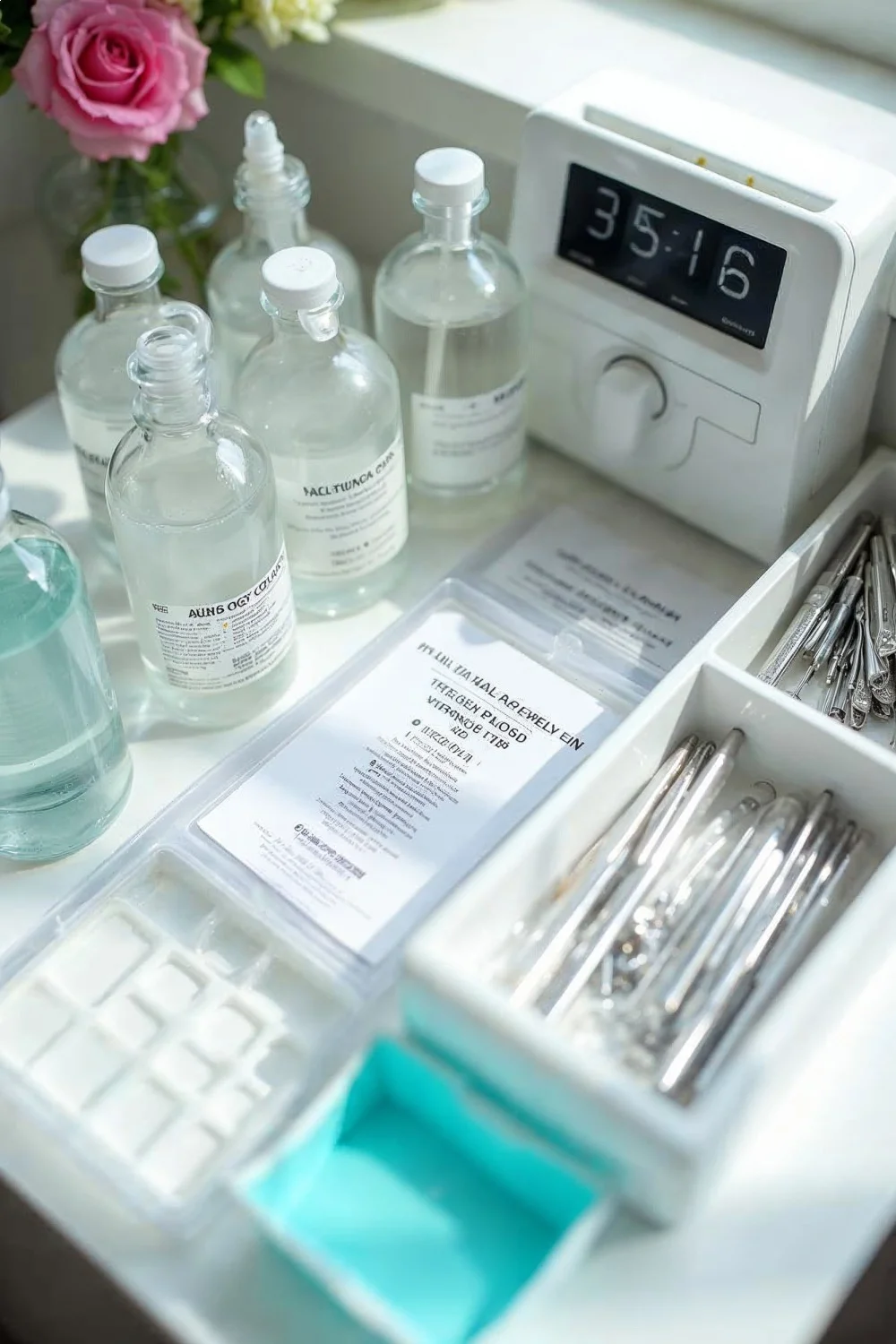
Create a two-container system: one for clean tools and one for used tools awaiting disinfection. This simple organizational step prevents accidentally using a contaminated tool. Label containers clearly and establish a routine of disinfecting all used tools at the end of each nail session rather than before the next use.
Sharing tools multiplies risk significantly. If you occasionally do nails for friends or family, maintain separate tool sets or use hospital-grade disinfection protocols with 20-minute soaking times and air drying.
3. Choose Strategic Footwear and Sock Materials
Footwear choices directly impact fungal exposure and growth conditions. Breathable materials, proper rotation, and moisture-wicking properties create an environment hostile to fungal colonization. The connection between shoe habits and toenail health receives insufficient attention in most nail care discussions, yet podiatrists identify footwear as a primary intervention point.
Natural materials like leather and canvas allow air circulation that synthetic materials block. Athletic shoes present particular challenges because their cushioned construction traps heat and moisture during wear. Rotate athletic shoes daily, allowing 24 hours minimum for internal moisture to evaporate completely.
Sock selection matters equally. Cotton feels comfortable but retains moisture against skin. Merino wool and synthetic moisture-wicking blends actively pull perspiration away from feet and dry faster. Brands like Smartwool and Darn Tough produce moisture-management socks that reduce fungal risk during long wear periods.
For those who wear closed-toe shoes year-round in professional settings, consider keeping a second pair at your workplace and changing mid-day. This simple habit prevents the 8-10 hour continuous moisture exposure that allows fungal establishment.
Antifungal powder applied before sock wear adds a preventive layer during humid months. Products containing miconazole or tolnaftate create an inhospitable environment while absorbing excess moisture. Gold Bond and Zeasorb AF powder cost $8-12 and last several months with daily use.
Sandals and open-toe shoes provide maximum breathability but create different risks in public spaces. Never go barefoot in areas where fungal exposure concentrates, but do choose open footwear for casual settings where your feet contact only your own floors.
| Footwear Type | Breathability | Rotation Frequency | Fungal Risk Level | Best Use Case |
|---|---|---|---|---|
| Leather dress shoes | Good | Every 2 days | Low | Professional settings |
| Athletic sneakers | Poor | Daily | High without rotation | Exercise only |
| Canvas shoes | Excellent | Every 2-3 days | Low | Casual warm weather |
| Synthetic boots | Very poor | Daily with powder | Very high | Short duration only |
| Sandals | Maximum | As needed | Low (except public areas) | Casual settings |
4. Apply Barrier Protection in High-Risk Public Spaces
Public pools, gym showers, hotel bathrooms, and nail salons concentrate fungal exposure far beyond typical home environments. The Mayo Clinic's fungal infection research identifies these communal moist areas as primary infection sources, yet many nail enthusiasts skip basic barrier precautions in these settings.
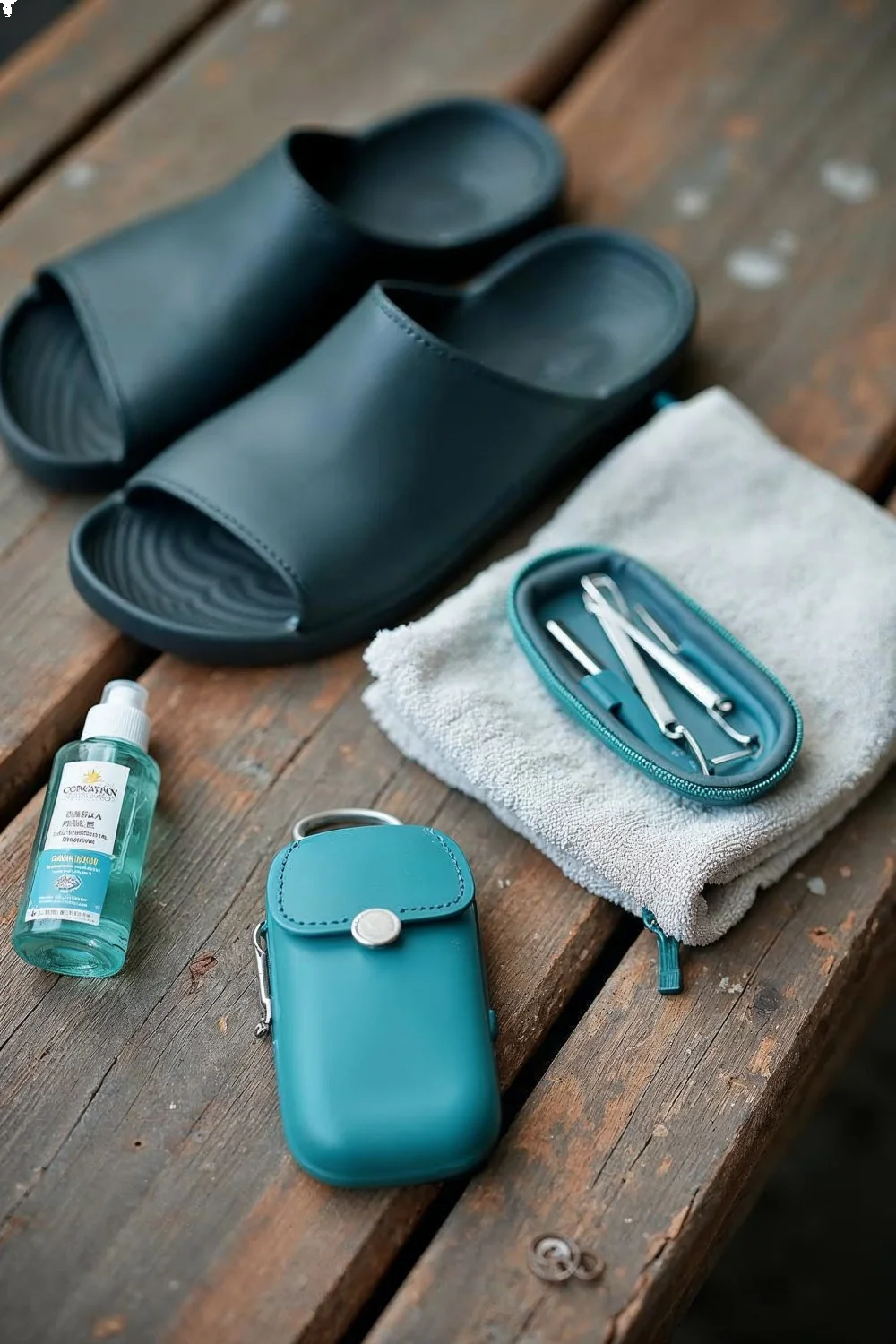
Waterproof sandals or shower shoes create a physical barrier between your feet and contaminated surfaces. Pack dedicated shower shoes for gym bags and travel. Flip-flops don't provide adequate protection because water splashes over the top and pools underneath.
At nail salons, the pedicure basin represents the highest risk point. Despite sanitation regulations, fungal spores can survive in jet systems and around drain areas. Before your appointment, observe whether the technician disinfects the basin properly or simply rinses between clients. A properly sanitized salon will run disinfectant solution through jets for 10 minutes between clients.
Consider bringing your own nail tools to salon appointments. Many salons accommodate this request and some clients prefer the assurance of using only personally disinfected implements. If using salon tools, verify they've been removed from an autoclave or UV sterilizer immediately before your service.
Public pool decks and locker rooms require consistent vigilance. Walk only on poolside surfaces, never venture barefoot into locker rooms or bathrooms. Dry feet thoroughly before putting on shoes, and consider applying antifungal spray immediately after pool exposure.
For beach vacations, rinse feet with clean water after ocean or sand exposure and dry completely before putting on shoes. Sand harbors fungi and bacteria that thrive in the warm, moist conditions between your toes.
Key Finding: Public swimming areas and communal showers create up to 100 times more fungal exposure than home environments, making barrier protection essential for prevention — Centers for Disease Control and Prevention
5. Maintain Optimal Nail Length and Shape
Nail length and shape influence fungal susceptibility through multiple mechanisms. Longer nails create more surface area for moisture accumulation and fungal attachment while increasing trauma risk from daily activities. The space under extended nails traps debris and moisture that shorter nails naturally shed.
Keep toenails trimmed straight across at a length that sits just above the toe tip. This prevents ingrown edges that create infection entry points while maintaining enough length to protect the nail bed. The oval nail shape works better for fingernails, but toenails benefit from straight-edge cutting that prevents corner complications.
File edges smooth after trimming. Jagged edges catch on socks and create microtears in surrounding skin that invite infection. Glass files provide gentler smoothing than traditional emery boards and can be thoroughly disinfected between uses.
Excessively short nails present their own problems. Cutting into the quick creates bleeding and open wounds that provide direct pathogen access. If you've cut too short and notice bleeding, apply antibiotic ointment immediately and keep the area clean and dry until completely healed.
For those following how to make nails grow faster protocols, remember that accelerated growth requires more frequent trimming to maintain optimal length. Fast-growing nails left untrimmed accumulate more debris and require more aggressive cleaning that can damage protective structures.
Nail thickness matters too. If you notice thickening that makes trimming difficult, this may indicate early fungal changes or another nail condition requiring professional evaluation. Don't attempt to thin thick nails with a file or drill without proper training, as aggressive thinning damages the nail plate and increases infection susceptibility.
6. Practice Polish and Enhancement Safety Protocols
Polish and nail enhancements create occlusive barriers that trap moisture and hide early fungal signs until significant damage occurs. Understanding timing, application methods, and regular inspection intervals allows you to enjoy nail color while maintaining fungal prevention. The relationship between enhancement services and infection risk remains poorly understood among many nail enthusiasts.
Allow nails to breathe between polish applications. Continuous wear without breaks prevents proper oxygenation and moisture evaporation. Schedule 3-5 day intervals every 2-3 weeks where nails remain bare. During these breaks, inspect carefully for any discoloration, texture changes, or separation from the nail bed.
Before polish application, ensure nails are completely dry and clean. Residual moisture or oils prevent proper adhesion and create pockets where fungi establish colonies. Use rubbing alcohol on a lint-free pad to dehydrate the nail surface immediately before base coat application.
Gel polish presents particular challenges because the extended wear time means any trapped moisture or early infection goes undetected for weeks. When removing gel nails at home, inspect each nail thoroughly before reapplication. Any yellowing, thickening, or unusual texture should receive 2-3 weeks of observation before covering again.
Acrylic and dip powder enhancements require even more caution. These systems completely seal the nail plate for weeks or months. If moisture or infection exists before application, the sealed environment accelerates fungal growth dramatically. Never apply enhancements over nails showing any abnormality. If you notice lifting or gaps between the enhancement and natural nail, remove the enhancement immediately rather than waiting for your next fill appointment.
Salon sanitation varies widely. A salon practicing proper protocols will:
- Use new files and buffers for each client or thoroughly disinfect reusable tools
- Keep polish bottles clean and never add polish thinner to old bottles
- Disinfect or replace brushes between clients
- Maintain current sanitation licenses visibly displayed
When attempting acrylic fill at home, pay strict attention to brush cleanliness and monomer freshness. Contaminated products introduce pathogens directly under enhancements.
7. Optimize Moisture Balance Through Cuticle Management
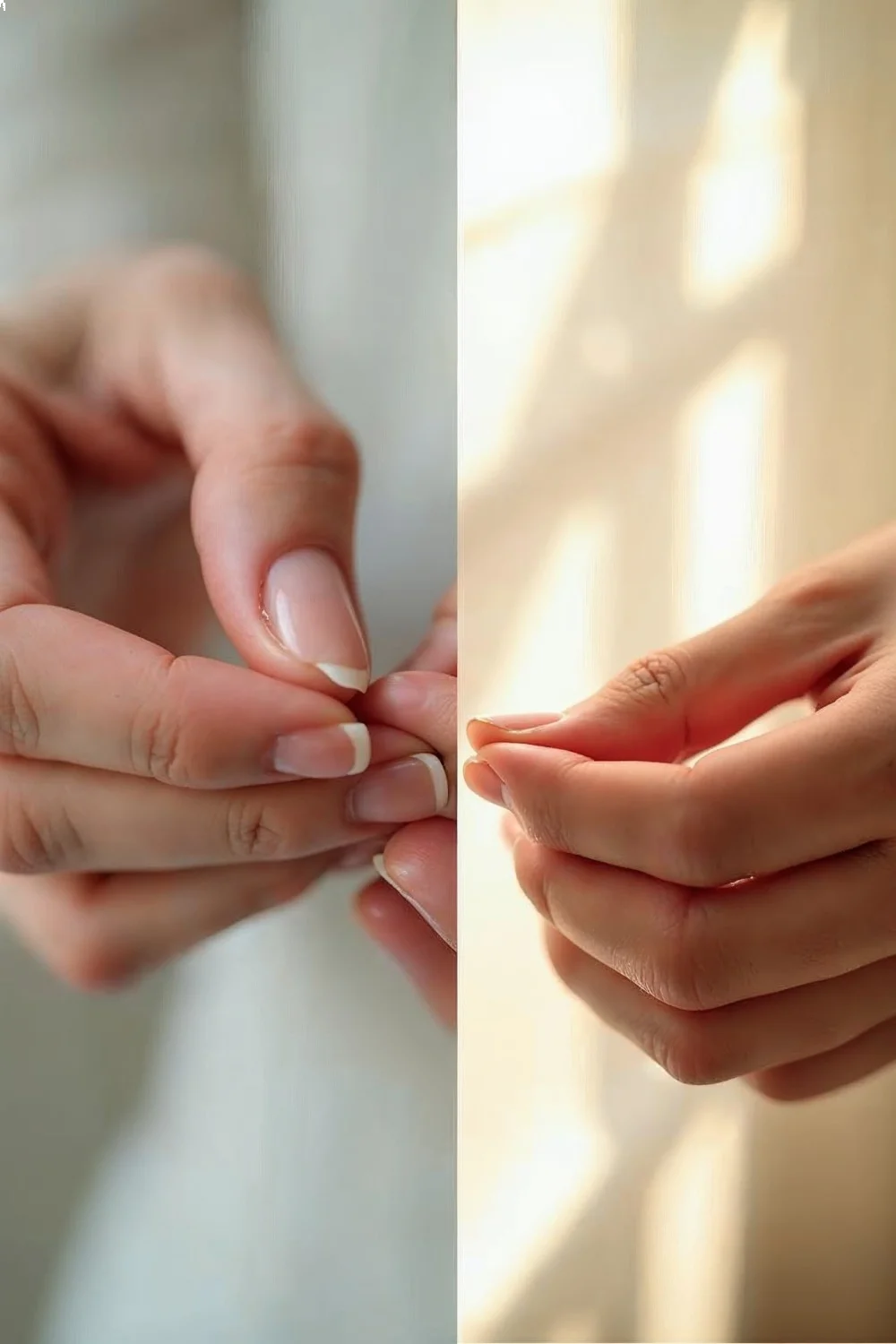
Cuticle health directly impacts fungal prevention through its role as a protective seal. Intact cuticles prevent water, bacteria, and fungi from accessing the vulnerable space where your nail plate emerges. However, dry, cracked cuticles create entry points that defeat this protection, requiring a balanced approach to cuticle care.
Proper cuticle care focuses on conditioning rather than aggressive removal. The cuticle's thin tissue provides a waterproof seal when healthy but becomes a liability when damaged. Daily application of cuticle oil maintains flexibility and prevents the cracking that creates pathogen entry points.
Cuticle oils containing jojoba, vitamin E, or tea tree oil provide both conditioning and mild antifungal properties. Tea tree oil specifically has documented antifungal activity, making it a dual-purpose ingredient. Brands like CND Solar Oil and Sally Hansen Cuticle Massage Cream cost $6-12 and last months with daily use.
Push cuticles gently after showering when they're softened, using a rubber or wooden tool rather than metal implements that can cause trauma. Never cut cuticles unless they're truly dead, hanging tissue. Cutting living cuticle creates wounds and removes protective barriers.
The connection to strengthen weak nails protocols matters because brittle nails often coincide with dry cuticles, creating multiple vulnerability points. Address both simultaneously through hydration-focused products and best nail strengthener formulas that condition while reinforcing.
For those who've developed chronic cuticle picking habits, recognize this behavior as a significant infection risk factor. Each picking episode creates microscopic wounds that remain open for hours, providing pathogen access during that vulnerable window. Breaking this habit requires both awareness and substitution of the picking behavior with immediate cuticle oil application.
Hangnails demand immediate but gentle attention. Trim only the loose portion with sanitized nippers, apply antibiotic ointment, and keep the area clean until healed. Never pull or tear hangnails, as this extends damage into healthy tissue.
8. Monitor and Address Early Warning Signs
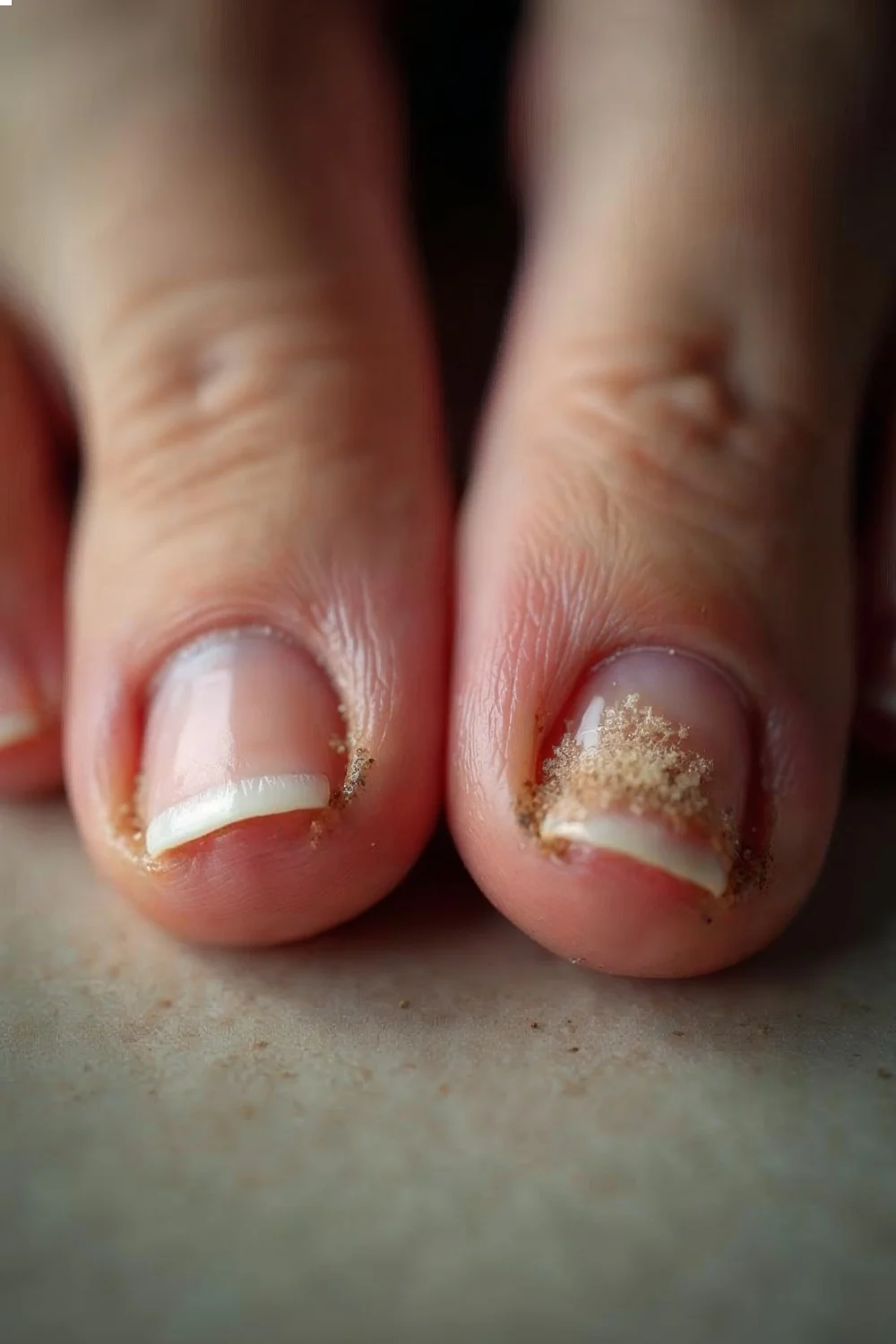
Early fungal detection allows intervention before significant nail damage occurs. Most cases aren't identified until advanced stages when treatment becomes lengthy and difficult. Understanding what genuinely works versus what simply delays professional treatment requires distinguishing effective strategies from marketing claims.
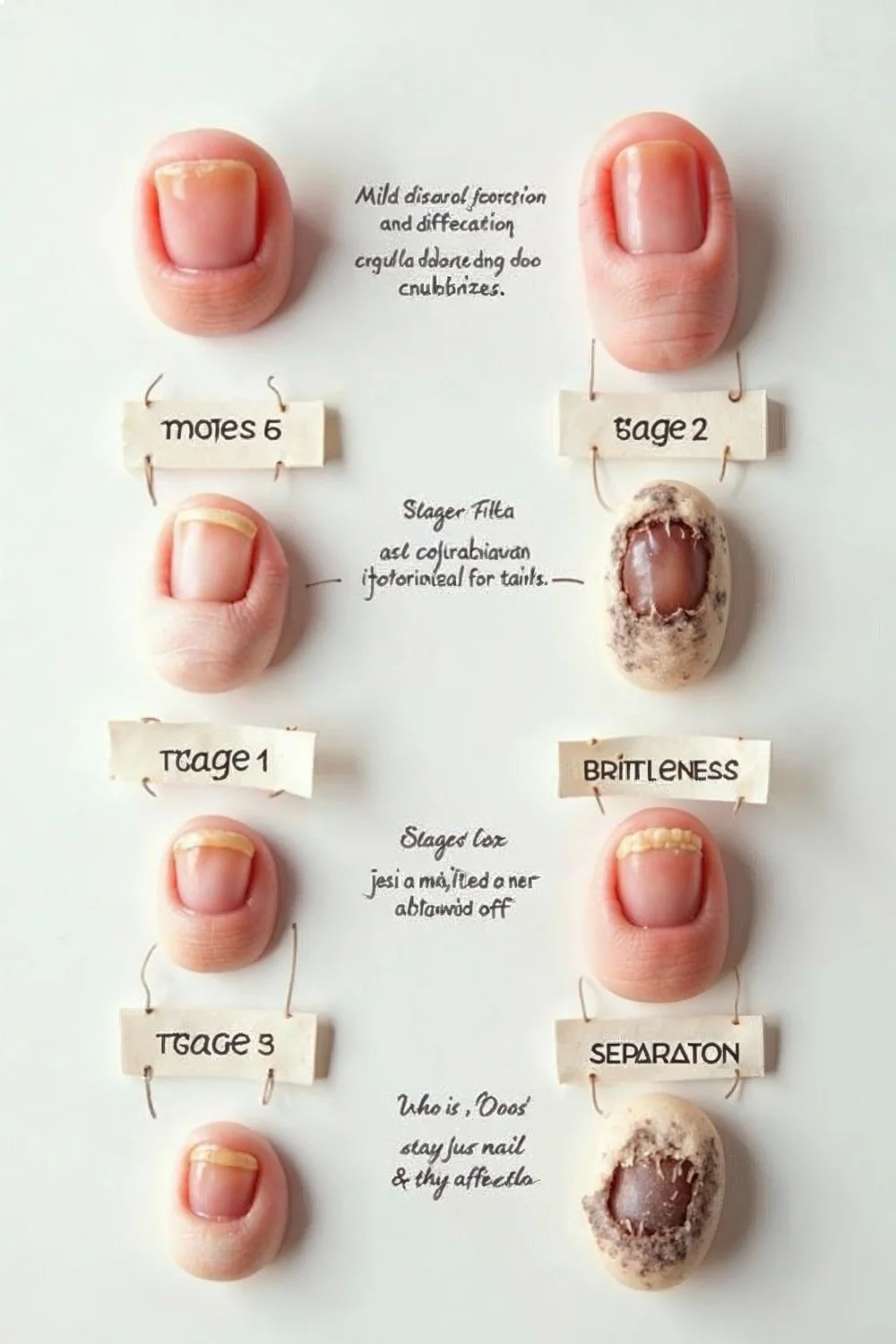
Early warning signs include:
- White or yellow spots appearing under the nail tip
- Unusual nail thickening or texture changes
- Increased brittleness or crumbling at edges
- Separation between nail plate and nail bed
- Slight discoloration that doesn't grow out with the nail
- Unusual odor from the nail or surrounding skin
Weekly inspection under good lighting allows you to catch these changes quickly. Compare each nail to its appearance the previous week. Take photos monthly to track subtle progressive changes that might not be obvious week to week.
Over-the-counter antifungal treatments work best on very early infections limited to the nail's outer edges. Products containing undecylenic acid or tea tree oil provide mild antifungal action suitable for minor issues. Brands like Kerasal Nail and Fungi-Nail cost $12-20 and require 3-4 months of consistent application for visible improvement.
However, established infections require prescription treatment. Topical prescription lacquers or oral antifungal medications become necessary once infection extends beyond the outer nail edge or involves multiple nails. The distinction matters because spending months on inadequate OTC treatment allows infection to progress, ultimately requiring more aggressive intervention.
Risk factors that warrant closer monitoring include:
- Previous fungal infections
- Diabetes or circulation problems
- Immune system conditions
- Age over 60
- Frequent athletic activity
- Living in humid climates
If you identify with multiple risk factors, consider monthly professional nail evaluations from a podiatrist or dermatologist. These specialists can detect early changes that untrained eyes miss.
Document any persistent changes and consult a healthcare provider if abnormalities don't resolve within 2-3 weeks. Early professional intervention prevents the months-long treatment protocols required for established infections.
| Prevention Strategy | Implementation Frequency | Cost Range | Effectiveness Level | Time Investment |
|---|---|---|---|---|
| Thorough drying after water exposure | After each exposure | $0 | Very high | 3-5 minutes |
| Tool disinfection | Between each use | $12-18 per year | Very high | 10 minutes per session |
| Antifungal powder in shoes | Daily during humid months | $8-12 per 3 months | High | 30 seconds daily |
| Moisture-wicking socks | Daily wear | $15-25 per pair | Moderate-high | None (routine wear) |
| Nail inspection | Weekly | $0 | High | 2-3 minutes |
| Cuticle oil application | Daily | $6-12 per 4 months | Moderate | 1 minute |
| Polish breaks | Every 2-3 weeks | $0 | Moderate | 3-5 days bare nails |
Verdict: Matching Prevention Strategies to Your Situation
Your optimal prevention approach depends on exposure patterns, nail enhancement preferences, and existing risk factors. These recommendations synthesize the strategies above into practical protocols.
For enhancement enthusiasts who wear gel, acrylic, or dip powder continuously: Focus intensely on pre-application nail inspection and strict adherence to recommended fill or removal schedules. Allow 5-7 day breaks between services for thorough assessment. Invest in personal tool kits for salon services. Your highest risk comes from sealed moisture and delayed detection.
For athletic and fitness-focused individuals: Prioritize footwear rotation, moisture-wicking sock investment, and consistent antifungal powder use. Shower shoes must become non-negotiable. Consider daily foot inspection given increased exposure and moisture from athletic activity.
For those with previous infections: Implement all strategies simultaneously during initial prevention. You're significantly more susceptible to reinfection. Monthly professional evaluation for the first year helps ensure early detection if recurrence occurs. Replace all shoes worn during active infection periods.
For nail art enthusiasts who change polish frequently: Your removal and reapplication cycle provides natural inspection opportunities. Leverage this advantage by implementing thorough examination before each new manicure. Focus prevention efforts on tool sanitation and complete drying protocols.
For minimal-maintenance individuals: Start with the highest-impact strategies requiring least time investment. Thorough post-shower drying, weekly inspection, and barrier protection in public spaces provide substantial protection with minimal routine disruption. Add additional strategies only if exposure patterns change.
For those in humid climates or monsoon seasons: Recognize that environmental factors exponentially increase risk. Antifungal powder shifts from optional to essential. Consider increasing polish-free intervals during peak humidity months when fungal growth accelerates.
The underlying principle across all scenarios remains consistent: fungi require moisture, darkness, and time to establish. Disrupting any of these three factors through the strategies outlined provides effective prevention. Combining multiple approaches creates redundant protection layers that compensate when one strategy occasionally lapses.
Insights compiled from salon technicians, dermatology practices, and beauty industry events confirm that prevention requires sustained attention rather than intermittent effort. Unlike aesthetic nail trends that come and go, fungal prevention practices deliver value indefinitely through the significant health complications and treatment costs they prevent.