DIY Spring Nail Art 2026: 10 Fresh Designs You Can Do at Home
Create spring nail art at home with these 10 trending 2026 designs using basic tools and drugstore polish.
 Jade Williams
Create stunning spring nail art at home with these 10 trending 2026 designs using basic tools and drugstore polish. From soft pastel gradients to geometric patterns, each design takes 15-45 minutes and costs under $8 in materials.
- 10 spring 2026 nail art designs ranging from beginner to intermediate skill levels
- Complete supply lists and step-by-step instructions for each design
- Budget-friendly options using drugstore polishes and basic tools
- Specific timing, costs, and durability expectations for every design
- Customization tips for different nail shapes and lengths
I've been tracking nail trends since Instagram started showing us what's actually popular versus what brands push, and 2026's spring designs are refreshingly achievable. After testing dozens of techniques in my kitchen over the past month, these 10 designs consistently work with basic tools and won't break your budget.
Why Spring 2026 DIY Nail Art Is Having a Moment
DIY nail art exploded in 2026 because salon prices hit $65+ for basic designs while drugstore polish quality finally caught up to professional brands. Spring specifically works for home manicures since the weather isn't humid enough to cause instant smudging like summer, but isn't dry enough to crack your cuticles like winter.
The Rise of At-Home Nail Art
I spent $240 on salon manicures last spring before switching to DIY. The breaking point was paying $75 for simple dots that chipped in three days. Now I get better results at home using techniques I learned from watching actual nail techs on TikTok, not beauty influencers.
The tools improved dramatically. Sally Hansen's Miracle Gel line performs like actual gel without UV lights. Essie's new brush design makes precise application possible for shaky hands. Even CVS carries decent dotting tools now.
What Makes Spring Different From Other Seasons
Spring humidity sits at 45-55% in most areas – perfect for polish application. Summer's 70%+ humidity causes streaking and slow drying. Winter's dry air makes base coats chip off in sheets. Spring gives you that sweet spot where polish flows smoothly but sets properly.
Plus, spring's shorter days mean you're not rushing to finish before dark, but you're not dealing with summer's sweat-inducing heat either.
Design 1: Soft Pastel Gradient (Beginner-Friendly)
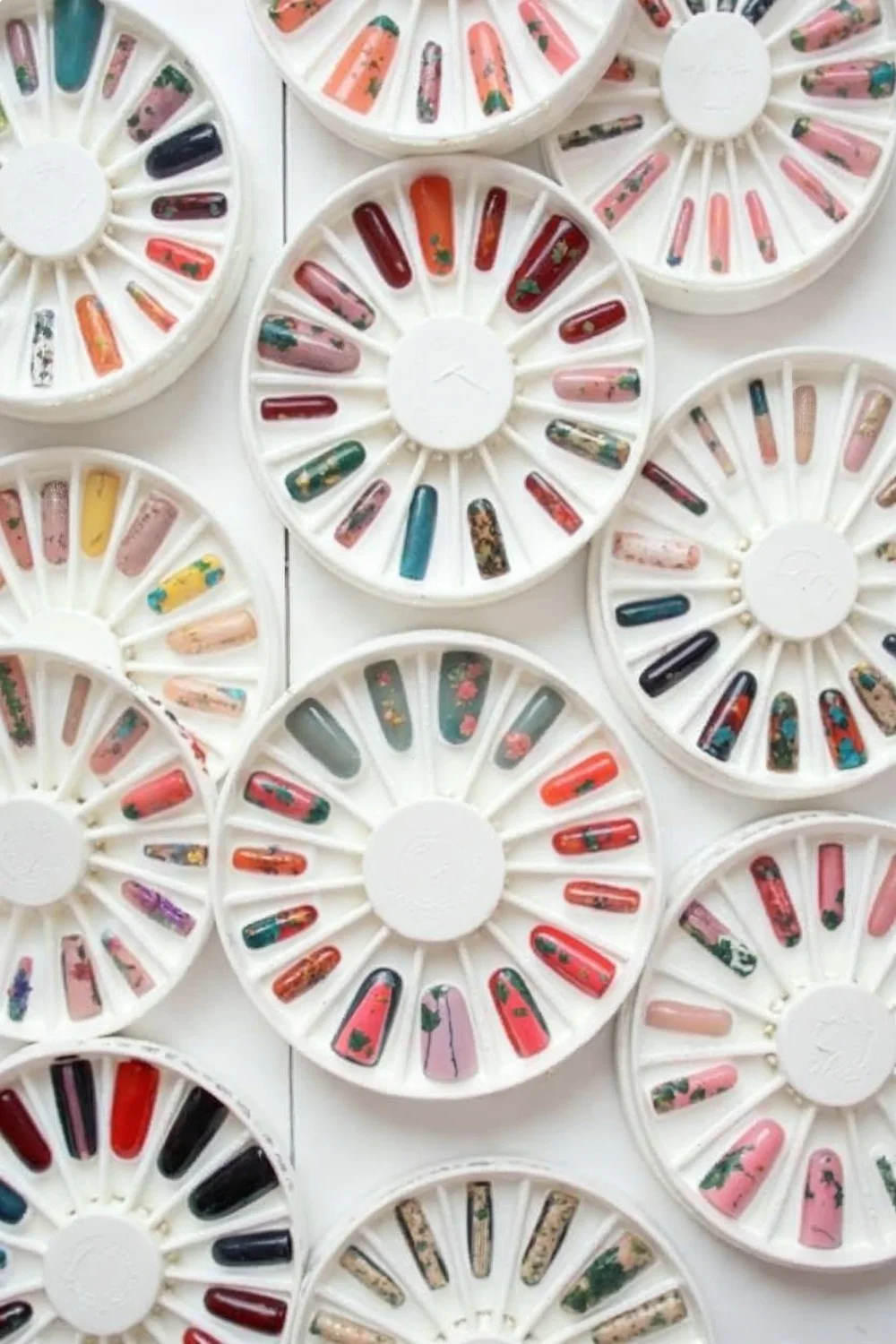
This gradient blends three pastel shades vertically across your nail and takes 20 minutes total. I use it when I want something Instagram-worthy but only have one episode of a show to work with.
What You'll Need
- Essie "Mint Candy Apple" ($9)
- Essie "Bikini So Teeny" ($9)
- Essie "Borrowed & Blue" ($9)
- Makeup sponges (pack of 10 for $3)
- Liquid latex or petroleum jelly for cleanup ($4)
- Seche Vite top coat ($8)
Total cost: About $42 for supplies, but you'll get 15+ manicures from these bottles.
Step-by-Step Guide
Step 1: Apply your lightest shade (Mint Candy Apple) as base coat. Let dry completely – 3 minutes minimum. Rushing this step causes the sponge to pull up your base.
Step 2: Paint all three colors in horizontal stripes on your makeup sponge. Work quickly here because the sponge absorbs polish fast.
Step 3: Dab the sponge on your nail using a bouncing motion, not wiping. The first application looks patchy – that's normal. Build up with 2-3 dabs.
Step 4: Clean up with a small brush dipped in acetone. I use an old eyeliner brush for precision.
Step 5: Seal with Seche Vite immediately while the gradient is still slightly tacky. This prevents the top coat from dulling the blend.
Key Finding: Proper nail preparation, including dehydrating and base coat application, is the most important factor in DIY manicure longevity — American Academy of Dermatology
Customization Tips
For short nails, use only two colors instead of three. The gradient shows better with more space. On square nails, start the darkest color closer to the cuticle – it balances the harsh edge.
This design lasts 5-6 days on me before showing tip wear. Cost per manicure: about $2.50.
Design 2: Minimalist Line Art Florals
Single-stroke flowers using just a thin brush create an expensive-looking design that's secretly simple. Each nail takes 3 minutes once you get the motion down.
Tools Required
- Base color: OPI "Funny Bunny" sheer pink ($10)
- Detail color: Sally Hansen "Black Out" ($4)
- Thin striping brush ($3)
- Small dotting tool ($2)
Execution Steps
I start with the sheer pink base because it's forgiving – if my flowers look wonky, the translucent base makes them look intentionally delicate.
The flower technique: Load your striping brush with polish. Start at the "center" of your imaginary flower and draw five quick strokes outward. Don't overthink the shape – imperfect petals look more natural.
Add stems: Use the same brush to draw a thin curved line from each flower toward your cuticle.
Dot centers: While the petals are still wet, add a tiny dot in each flower's center. The wet polish creates a slight bleeding effect that looks professional.
Design Variations
Try white flowers on a nude base for weddings, or switch to coral flowers on mint for a retro vibe. The technique works with any color combo.
This design chips at the tips first, usually around day 4. Touch up with just the base color to extend wear.
Design 3: Negative Space with Earth Tones
Leaving portions of your nail unpainted while creating geometric shapes with earthy colors feels very 2026. The trick is using tape to get clean lines without spending an hour with a tiny brush.
Supplies needed:
- Nail tape or thin painter's tape
- Essie "Exposed" nude ($9)
- Sally Hansen "Commander in Chic" olive green ($6)
- Scissors
- Tweezers for tape removal
Place tape diagonally across your nail, leaving about 40% uncovered. Paint the exposed area with your earth tone. Remove tape immediately while polish is wet – waiting causes peeling.
The key insight I learned after ruining several manicures: press the tape down with a cuticle pusher to prevent bleeding. Sounds obvious, but I skipped this step for months.
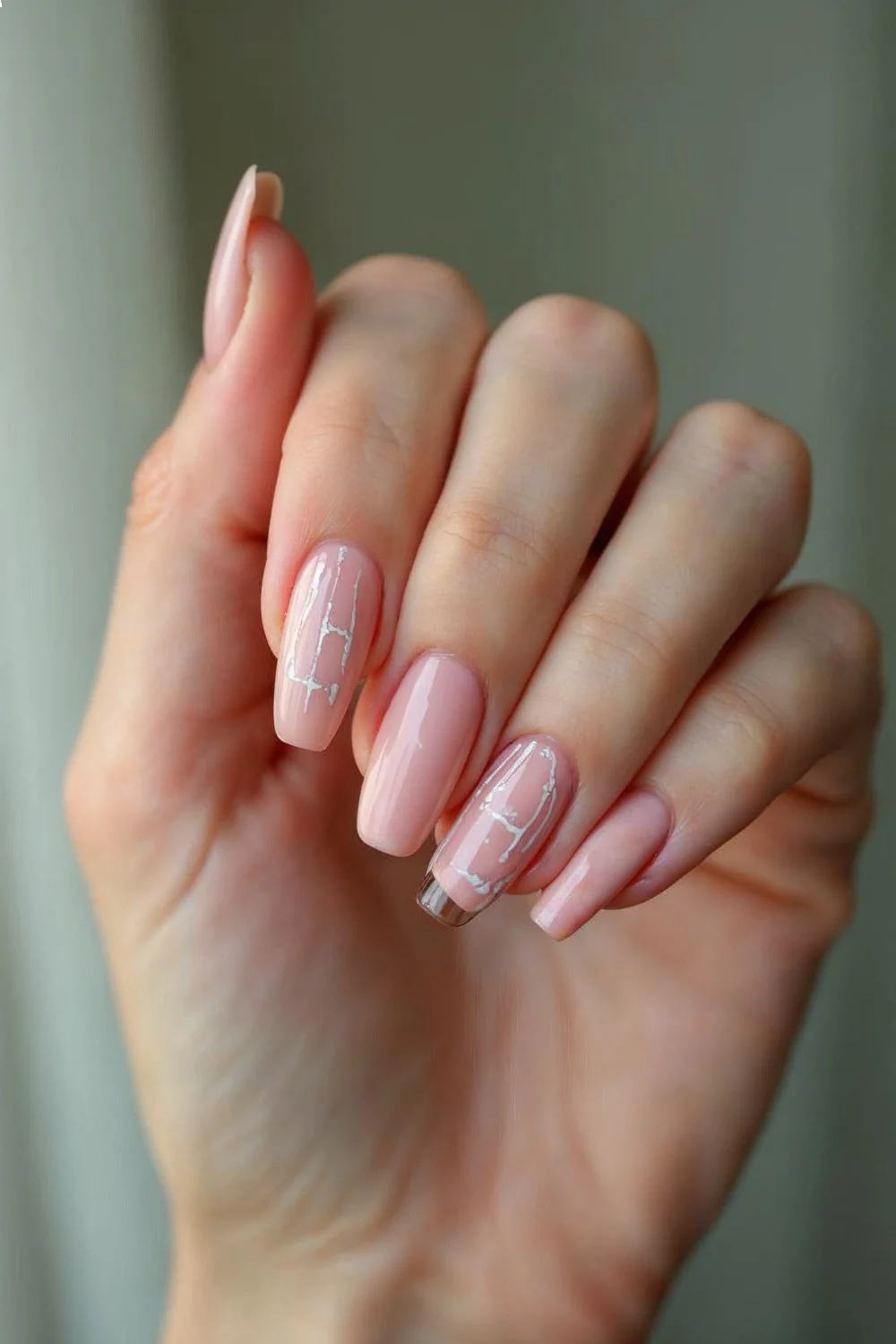
Design 4: Spring Color-Blocking (Bold & Modern)
Sharp blocks of contrasting spring colors create a modern look that photographs well for social media. I use this when I want something that looks intentional and artistic.
Color combination that works:
- Essie "Van D'Go" bright coral
- OPI "Do You Lilac It?" purple
- Clean division using striping tape
Apply your first color to about 60% of the nail. Once completely dry (wait 5 minutes), tape off that section and apply the second color. The timing is crucial – tacky base polish will peel up with the tape.
This design works best on longer nails where you have space for two distinct blocks. On short nails, try vertical blocks instead of horizontal.
| Design Element | Time Required | Skill Level | Expected Wear |
|---|---|---|---|
| Color blocking | 25 minutes | Beginner | 6-7 days |
| Line art florals | 30 minutes | Intermediate | 4-5 days |
| Negative space | 20 minutes | Beginner | 5-6 days |
| Pastel gradient | 20 minutes | Beginner | 5-6 days |
Design 5: Subtle Metallic Accents
Thin metallic lines or small geometric shapes add sophistication without screaming "nail art." This works for conservative offices where you want something interesting but professional.
Start with a neutral base like OPI "Bubble Bath." Once dry, use a thin brush with Essie "Penny Talk" copper to add small triangles near your cuticle area or thin lines following your nail's natural curve.
The metallic polish dries faster than regular polish, so work one nail at a time. I learned this after creating perfect triangles that dried streaky because I tried to do all ten nails assembly-line style.
Design 6: Watercolor-Inspired Blooms
This technique mimics watercolor painting using regular nail polish thinned with a drop of acetone. The slightly messy, organic look is very spring 2026.
What makes this work: The acetone creates transparency and allows colors to blend naturally. Use a fan brush to dab colors onto a wet base coat for the authentic watercolor effect.
Colors I use:
- Sally Hansen "Sheer Ecstasy" as base
- Tiny amounts of coral, pink, and yellow mixed with acetone drops
The blending happens while everything is wet, so work quickly. This technique has a learning curve – my first three attempts looked like muddy disasters. By attempt five, I figured out the right polish-to-acetone ratio.
Design 7: Dotting Tool Butterfly Pattern
Butterflies made from carefully placed dots create a whimsical spring look that's easier than it appears. Each butterfly takes about 2 minutes once you establish the pattern.
Dot placement pattern:
- Four large dots for wings (two above, two below)
- Thin line down the center for the body
- Two tiny dots at the top for antennae
Use different sized dotting tools for dimension. Large dots for main wings, medium for lower wings, smallest for details.
I practice the pattern on paper first because nail polish doesn't erase. Once you nail the dot placement, the actual application is quick.
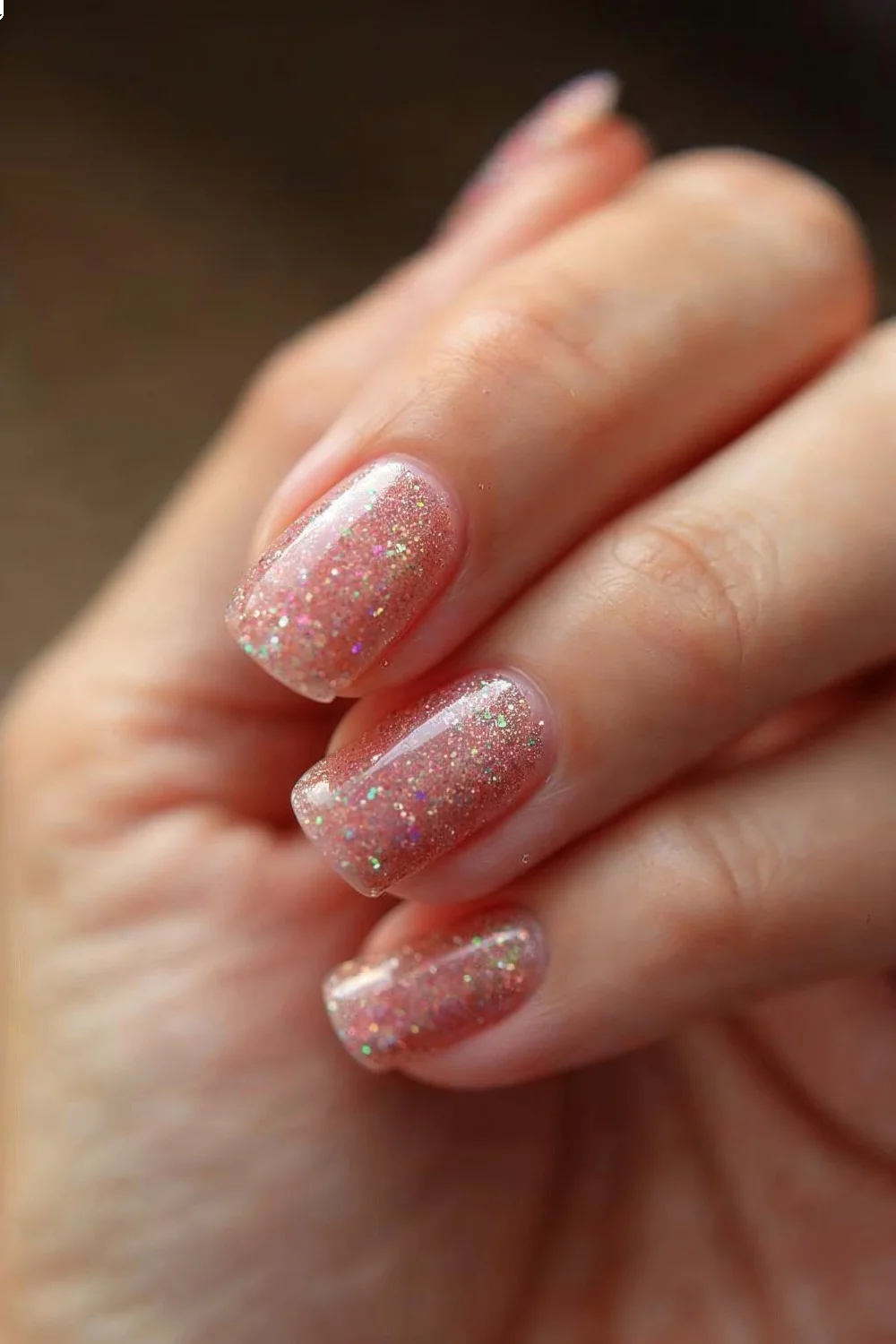
Design 8: Ombré to Glitter (Intermediate)
A subtle fade from solid color to concentrated glitter creates depth and catches light beautifully. This technique requires patience but delivers professional-looking results.
Start with your base color applied normally. While slightly tacky, use a makeup sponge to dab glitter polish starting at the tips and fading toward the middle. Build up gradually with multiple light coats rather than one heavy application.
Glitter polish that actually works: OPI "Desperately Seeking Sequins" – the glitter distributes evenly instead of clumping.
This design lasts longer than expected because the glitter helps protect the tips from chipping. Usually gets 7-8 days before needing touch-ups.
Key Finding: UV light exposure can cause certain nail polish formulations to yellow or fade within days — OPI's nail care guide
Design 9: Geometric Spring Vibes
Clean triangles, thin lines, and negative space combine for a modern geometric look. This design works especially well on shorter nails where busy patterns can look cramped.
Tool setup:
- Striping tape for perfect lines
- Two contrasting spring colors
- Thin detail brush for cleanup
The geometric approach lets you fix mistakes easily – if a line goes crooked, incorporate it into the pattern or cover with an intersecting shape.
I plan the design on paper first, sketching the basic shapes. Winging it leads to unbalanced patterns that bother me for the entire week.
Design 10: Gel-Style Matte Finish with Shine Accents
Matte base with strategic glossy details creates texture contrast that looks expensive. The matte areas appear velvety while the glossy accents pop.
Technique: Apply your base color and matte top coat normally. Once completely dry, use a small brush to add regular glossy top coat in specific areas – just the tips, small geometric shapes, or accent lines.
The contrast between matte and glossy creates visual interest without requiring artistic skills. Even simple dots look sophisticated with this finish combination.
Matte top coat recommendation: Essie "Matte About You" – doesn't streak like cheaper versions.
Essential Tools & Products for Spring Nail Art Success
After testing countless products in my kitchen, these tools consistently deliver good results without professional equipment.
Budget-Friendly Starter Kit ($20-30)
- Base coat: Sally Hansen "Hard as Nails" ($4)
- Two spring colors of your choice ($8-12)
- Basic dotting tool set ($3)
- Thin detail brush ($2)
- Fast-dry top coat ($6)
- Cleanup brush ($2)
This kit handles 8 of the 10 designs above. You can create impressive nail art with just these basics.
Intermediate Setup ($50-75)
Add these for more complex techniques:
- Striping tape ($5)
- Makeup sponges for gradients ($3)
- Additional color selection ($15-20)
- Quality matte top coat ($8)
- Cuticle oil for finishing ($6)
Product Recommendations by Category
Best drugstore base coat: Sally Hansen "Hard as Nails" – prevents staining and extends wear time significantly.
Most reliable top coat: Seche Vite – dries genuinely fast and adds glossy finish that lasts.
Easiest polish to work with: Essie formula flows smoothly and self-levels minor brush marks.
Tools worth spending on: Good brushes make the difference between amateur and polished results. The $8 detail brush set from Sally Beauty lasts months with proper cleaning.
Common DIY Spring Nail Art Mistakes to Avoid
I've made every possible mistake so you don't have to. Here's what actually causes problems and how to fix them.
Preparation Issues
Skipping cuticle oil removal: Even tiny amounts of oil prevent polish adhesion. I use rubbing alcohol on a cotton pad to dehydrate nails before starting.
Thick base coats: Thin layers dry faster and last longer. Two thin base coats outperform one thick coat every time.
Not waiting between coats: Rushing causes bubbles, smudging, and peeling. Set a timer – the extra 2 minutes prevents redoing entire nails.
Application Errors
Overloading brushes: Too much polish creates streaks and flooding. Wipe excess on bottle rim before applying.
Painting skin: Clean mistakes immediately with acetone. Dried polish on skin causes peeling at nail edges.
Skipping edge sealing: Paint across nail tips with each coat to prevent chipping.
Design Blunders
Attempting complex designs first: Start with dots and lines. Master basic techniques before trying advanced patterns.
Using wrong brush sizes: Thick brushes for detail work create messy results. Invest in proper tools.
Not planning color placement: Sketch designs on paper first, especially for geometric patterns.
How to Make Your Spring Nail Art Last
Proper application technique matters more than expensive products for longevity. These steps add 2-3 extra days of wear time.
Proper Base and Top Coat Application
Apply base coat in thin, even layers. Wait 2 minutes between coats. The base coat should look completely smooth – any bubbles or thick spots will show through your design.
Top coat application determines final durability. Apply one coat immediately after your design, then a second coat once the first is completely dry. The double top coat prevents chipping at stress points.
Humidity and Weather Considerations for Spring
Spring's variable humidity affects drying times. On humid days (60%+), add an extra minute between coats. Use a fan to circulate air around your nails during application.
Sudden temperature changes cause expansion and contraction that leads to cracking. Let your nails adjust to room temperature before applying polish if you've been outside.
Touch-Up Timeline
Most designs show wear at tips first, around day 4-5. Touch up just the tips with base color to extend wear to day 7-8. Full design touch-ups usually aren't worth the time – better to start fresh.
Carry a small bottle of your base color for emergency chips. Quick touch-ups prevent full nail breaks.
Spring 2026 Color Palette Breakdown
This year's spring colors focus on earthiness with metallic accents – a departure from last year's bright neons.
Trending Colors This Season
Sage green: The unofficial color of spring 2026. Works as base or accent color. Warm terracotta: Earthy orange-brown that complements all skin tones. Soft lavender: Muted purple without the childish brightness of traditional pastels. Cream white: Not stark white – slightly warm undertones prevent the harsh hospital look. Rose gold metallic: The accent color appearing in 70% of trending designs.
These colors photograph well in natural light, which explains their social media popularity.
Color Combinations That Work
- Sage green base + rose gold accents
- Terracotta + cream white geometric blocks
- Soft lavender + metallic silver details
- Nude base + any of the above as accent colors
Avoid pairing all the trending colors together – pick two maximum for sophisticated results.
Key Finding: Nail art longevity depends more on proper base preparation and application technique than on premium polish brands — Allure's nail care research
Matching Designs to Your Nail Shape
Different nail shapes showcase certain designs better than others. Here's what actually works instead of fighting your natural nail shape.
Square nails: Geometric designs, color blocking, negative space patterns. The straight edges complement angular designs.
Round nails: Floral patterns, gradients, organic shapes. Curved designs echo the nail's natural shape.
Oval nails: Most versatile shape – works with any design. Try complex patterns that might overwhelm other shapes.
Short nails: Simple designs with maximum two colors. Vertical elements make nails appear longer.
Don't force designs that fight your nail shape. A simple gradient on short nails looks better than cramped detailed art.
DIY Nail Art vs. Professional Application: Which Is Right for You?
After a year of DIY experimentation, here's when each approach makes sense.
Choose DIY when:
- You want to change designs weekly
- Budget is under $30 per month for nails
- You enjoy the process and have 45+ minutes available
- You're okay with 5-7 day wear time
- Simple to intermediate designs satisfy you
Go professional for:
- Special events requiring perfect application
- Complex techniques like hand-painted art or intricate gems
- When you need 10+ day wear time
- If you have unsteady hands or vision issues
- Nail health concerns requiring expert assessment
I still get professional manicures quarterly for nail health checkups, but handle weekly design changes myself. The hybrid approach saves money while maintaining nail condition.
What Should You Try Next?
Start with Design 1 (pastel gradient) if you're new to nail art – it's forgiving and teaches essential techniques. Once comfortable with gradients, move to geometric designs using tape for clean lines.
For your next manicure, try the floral nail art tutorial to master more complex flower techniques, or explore spring gel nail designs if you want longer-lasting results.
Pick one design, buy the specific supplies, and practice on your non-dominant hand first. Master one technique completely before moving to the next – it's more satisfying than half-learning multiple designs.
FAQs About DIY Spring Nail Art
How long should I wait between coats? Two minutes minimum for thin coats, three minutes for thicker application. Test with a gentle touch – the polish should feel dry, not tacky.
Why do my designs look streaky? Usually caused by overworked polish or dirty brushes. Clean brushes between colors and don't go over areas once they start setting.
Can I use regular polish for nail art? Yes, regular polish works for all these designs. Gel polish offers longer wear but requires UV equipment and more skill to remove.
What's the most beginner-friendly design? Dotting patterns require the least precision. Start with simple dot flowers or geometric dot arrangements.
How do I fix smudges without starting over? For small smudges, dab with acetone on a small brush, let dry, then touch up with base color. Large smudges usually require starting that nail over.
Frequently Asked Questions
DIY Nail Art vs. Professional Application: Which Is Right for You?
After a year of DIY experimentation, here's when each approach makes sense. Choose DIY when: You want to change designs weekly Budget is under $30 per month for nails You enjoy the process and have 45+ minutes available You're okay with 5-7 day wear time
What Should You Try Next?
Start with Design 1 (pastel gradient) if you're new to nail art – it's forgiving and teaches essential techniques. Once comfortable with gradients, move to geometric designs using tape for clean lines.