Squoval Nails: Complete Guide to the Most Flattering Shape
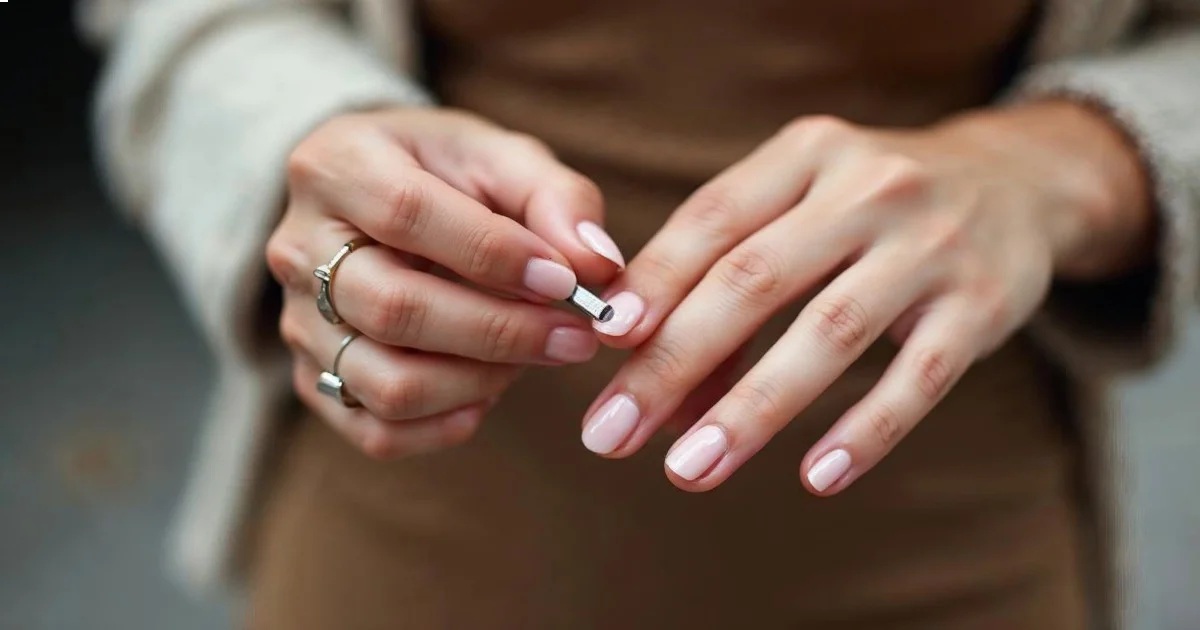
Squoval nails combine the durability of square tips with the softness of rounded corners, creating a shape that suits most finger types and lifestyles.
 Tessa Morgan
Squoval nails combine the durability of square tips with the softness of rounded corners, creating a shape that suits most finger types and lifestyles. This hybrid silhouette minimizes chipping at the corners while maintaining clean, modern lines — making it practical for both natural and enhanced nails.
- Squoval shape reduces corner breakage while preserving modern aesthetic appeal
- Works across all nail lengths from short natural nails to extended acrylics
- Filing technique requires 90-degree free edge followed by corner rounding
- Best suited for active lifestyles requiring durability without sacrificing polish
- Visually elongates wider nail beds through balanced proportions
Understanding why certain shapes endure beyond seasonal fads requires examining their practical benefits. According to Byrdie's comprehensive nail shape guide, squoval has maintained consistent popularity across professional salons because it addresses the structural weaknesses of purely square shapes while avoiding the maintenance demands of stiletto or almond profiles. Salon data shows squoval requests increased notably during 2024-2025, particularly among clients transitioning from square nails after experiencing repeated corner breakage.
1. Understanding the Squoval Structure
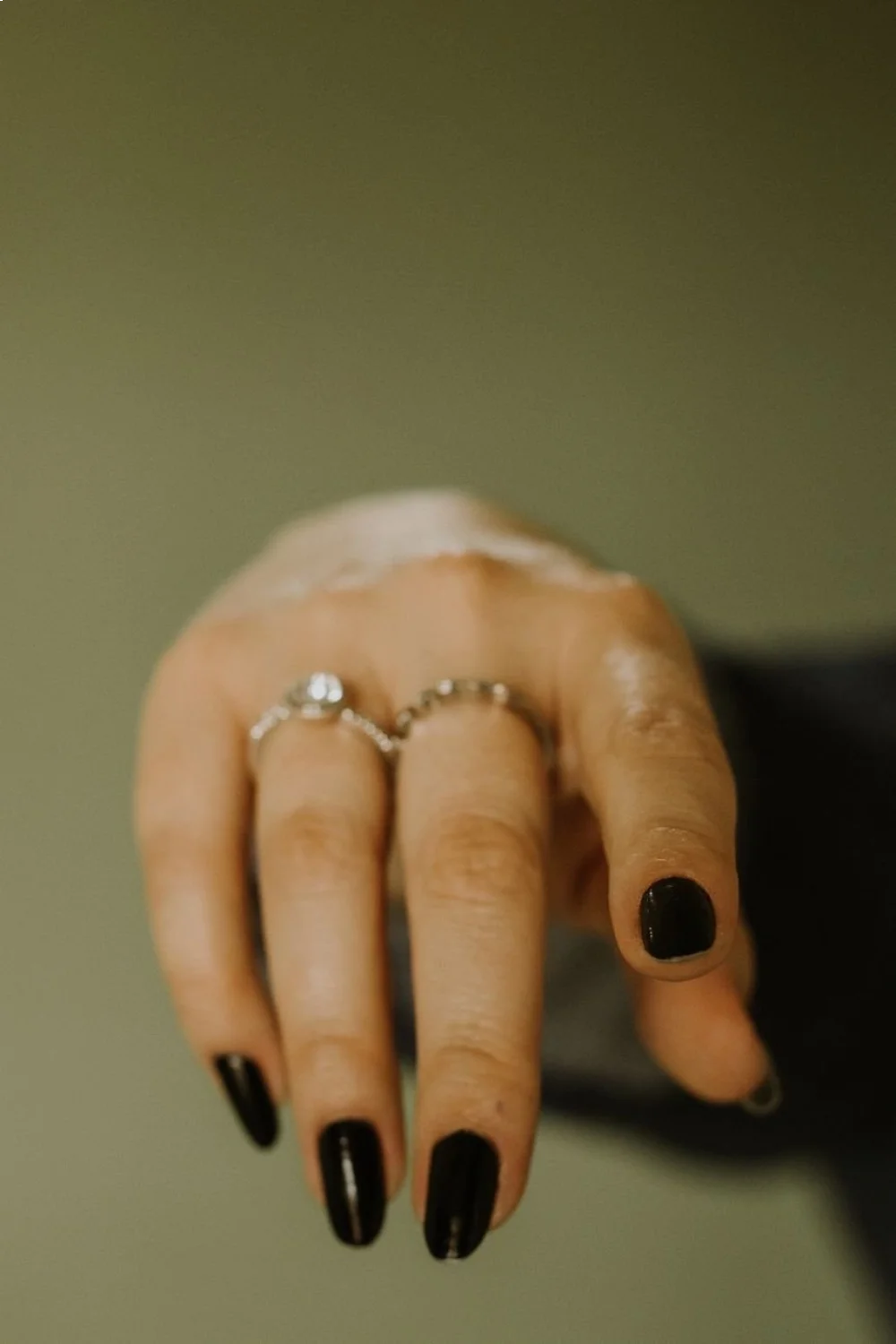
Squoval nails feature a flat, squared-off free edge with softly rounded corners that eliminate sharp angles without fully transitioning into oval territory. This specific geometry distributes stress more evenly across the nail tip compared to purely square shapes, which concentrate pressure at vulnerable corner points. The flat portion typically spans 60-70% of the nail width, with the remaining edge curve beginning at roughly the outer third of each side.
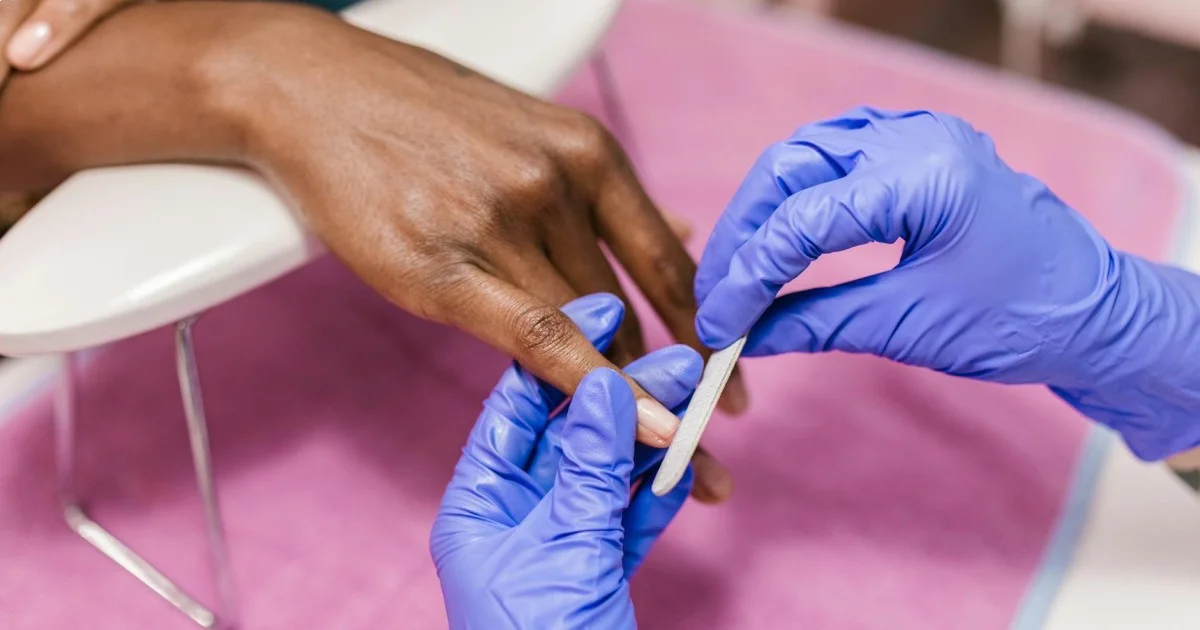
The filing technique differs fundamentally from other profiles because it requires two distinct phases: establishing the square edge, then methodically softening corners without creating an accidental oval. The Sally Hansen nail shape guide notes that squoval represents the most forgiving shape for at-home maintenance because minor filing adjustments won't dramatically alter the overall silhouette.
The structural integrity comes from eliminating the 90-degree corners that catch on fabrics, hair, and daily surfaces. Square nails concentrate mechanical stress at these sharp points, leading to micro-fractures that propagate into full breaks. Rounding just 2-3mm at each corner redistributes impact force across a broader curve, significantly extending wear time between salon visits or home maintenance sessions.
Nail beds vary in natural width-to-length ratios, and squoval accommodates this diversity better than more extreme shapes. Wider nail beds benefit from the squared center portion creating visual length, while narrower beds gain breadth perception from the gentle curves. This adaptability is why nail technicians frequently default to squoval when clients express uncertainty about shape selection.
2. Why Squoval Flatters Most Hand Types
Squoval works across diverse finger lengths and widths because it creates balanced proportions through geometry rather than extreme elongation. The squared center draws the eye vertically while rounded corners prevent the stubby appearance that full square shapes can create on shorter nails. According to Allure's guide on nail shape selection, this balance makes squoval particularly effective for clients with wider nail beds or shorter fingers who want polish without impracticality.
For hands with prominent knuckles or angular bone structure, the softened corners echo natural hand curves rather than creating harsh contrast. Square shapes can emphasize angularity through repetition of sharp lines, while squoval introduces just enough curve to harmonize with hand anatomy. This works both ways — extremely delicate or petite hands benefit from the squared center providing subtle structure without overwhelming proportions.
The shape works independently of nail length, which separates it from options like stiletto or coffin that require significant extension to achieve their defining characteristics. A squoval profile reads clearly on natural nails trimmed to 2-3mm of free edge, yet scales seamlessly to 15mm acrylic extensions without losing its identity or requiring technique modifications.
Finger width considerations become less critical with squoval because the shape doesn't rely on dramatic narrowing or widening effects. Where almond nails can make thick fingers appear wider through contrast, and square nails might shorten the appearance of already-short nail beds, squoval maintains neutral proportions that work with existing hand characteristics rather than against them.
3. Filing Technique for Perfect Squoval Execution
Achieving clean squoval shape requires a 180-grit or higher file, working in three distinct phases with specific directional strokes. Start by filing straight across the free edge at a 90-degree angle to the nail bed, creating a blunt square tip. This initial phase establishes the width proportions — the squared portion should span approximately two-thirds of the total nail width at the free edge.
Phase two addresses the corners with deliberate, curved strokes that begin 2-3mm from each side edge. File in one direction only, moving from the corner toward the center in a gentle arc. The goal is gradual rounding, not sharp beveling. Most beginners over-round at this stage, accidentally creating oval nails. The curve should be subtle enough that viewing the nail head-on still shows visible flat area at the tip.
Final refinement uses the same 180-grit file to smooth any ridges where the square section meets the rounded corners. This transition zone often feels slightly bumpy after initial shaping. A few light buffing strokes in an X pattern eliminates these inconsistencies. Check symmetry by placing both hands palm-down on a flat surface and comparing corner curves at eye level.
Common filing mistakes include using back-and-forth motions that create microscopic tears in the nail plate, or rushing the corner-rounding phase with overly aggressive strokes. The American Academy of Dermatology emphasizes in their nail care guidelines that proper filing technique in one direction prevents splitting and peeling that compromise any nail shape's longevity.
Key Finding: Proper nail preparation and filing technique in one direction prevents splitting and peeling that compromise nail shape longevity — American Academy of Dermatology
4. Squoval Performance Across Nail Lengths
Short natural nails benefit most dramatically from squoval shaping because the geometry maximizes perceived length without requiring actual extension. Natural nails trimmed to just 1-2mm of free edge still read as polished and intentional in squoval profile, whereas square shapes at this length often appear unfinished or stubby. The rounded corners prevent the "broken" appearance that square nails exhibit when kept very short.
Medium-length nails in the 3-6mm range showcase squoval's versatility most clearly. This length provides enough canvas for the squared center portion to register visually while maintaining practical functionality for typing, cooking, and detailed manual tasks. Professional settings typically favor nails in this range, and squoval delivers polish without the aggressive or overly-trendy connotations of pointed shapes.
Long natural nails extending 7-10mm gain structural benefits from squoval shaping that become critical at extended lengths. The rounded corners eliminate stress concentration points where long square nails typically crack or break. This length in squoval profile works particularly well for nail art applications because the extended canvas accommodates detailed designs while the durable shape protects the artwork investment.
Acrylic and gel extensions allow squoval to scale beyond natural growth limits while maintaining its characteristic proportions. Extensions of 12-18mm in squoval shape deliver dramatic length with less fragility than equivalent stiletto or coffin profiles. The broader tip provides more surface area for structural integrity, meaning thinner enhancement application remains viable. Many nail technicians working with gel and acrylic applications default to squoval for clients requesting maximum length with minimum maintenance.
5. Lifestyle Compatibility and Durability Factors
Active lifestyles involving frequent hand use find squoval shape notably more forgiving than alternatives. The absence of sharp corners means less catching on fabrics, gloves, pockets, and athletic equipment. Gym-goers, healthcare workers, and parents managing childcare consistently report longer wear periods with squoval compared to square or stiletto shapes.
Typing-intensive work environments favor squoval because the rounded corners don't catch between keys while the flat tip still allows for precise key strikes. Full square nails create a distinct clicking sound and awkward angle when typing, while extremely rounded or pointed shapes reduce typing accuracy. Squoval maintains both quiet operation and precision.
Manual labor and hands-on professions benefit from squoval's structural reinforcement at corner zones where mechanical stress typically initiates breaks. Construction work, food service, cosmetology, and similar fields see significantly extended wearability with this shape. The geometry distributes impact force from tools, equipment, and repetitive motions more evenly across the nail structure.
Minimal-maintenance routines work well with squoval because the shape tolerates minor growth without losing its defining characteristics. As nails grow out 2-3mm between filing sessions, squoval maintains recognizable proportions, whereas shapes like almond or coffin quickly distort and require professional reshaping. This makes squoval particularly practical for clients who file at home between salon visits or maintain natural nails without regular professional services.
6. Squoval Styling Across Polish Finishes
Squoval provides an ideal canvas for classic cream polishes in solid colors because the balanced proportions don't compete with or distort color perception. The flat tip area offers enough real estate for even color distribution without the pooling issues that curved shapes sometimes experience at the apex. Both light and dark shades read true to bottle color on squoval nails.
Shimmer and metallic finishes gain visual impact from squoval's geometry because the flat center portion creates a reflective plane that catches light consistently. Chrome and mirror finishes particularly benefit — the squared section acts as a focused reflective surface while rounded corners prevent harsh glare. This makes squoval especially effective for DIY chrome nail applications where even light reflection matters.
Matte finishes work beautifully on squoval profiles because the shape provides enough edge definition to prevent the soft, undefined appearance that matte can create on fully rounded nails. The squared tip maintains visual structure even when shine is eliminated. For those exploring matte nail designs, squoval offers the most versatile foundation across various matte techniques.
Textured finishes including velvet, sand, and caviar effects benefit from squoval's structural stability. The durable corners reduce the risk of texture-loss from impact damage, and the flat tip provides a stable application surface for loose embellishments. The shape also works particularly well with gradient techniques like sunset nail designs because the squared center allows for clean color transitions.

7. Nail Art Applications and Design Considerations
Squoval nails accommodate detailed nail art more forgivingly than extreme shapes because the proportional balance provides design flexibility. The flat tip area functions as a natural focal point for centered elements like gems, decals, or hand-painted details, while the rounded sides prevent designs from appearing cramped or distorted at edges. This makes squoval particularly effective for short nail designs where space is limited.
French manicure applications work exceptionally well on squoval because the shape naturally defines smile line placement. The squared center creates a clean horizontal guide for the white tip, while rounded corners eliminate the awkward sharp angles that square french tips can create. Both classic and reverse French techniques benefit from these proportions.
Geometric patterns and line work gain precision advantages from squoval's flat center section, which provides straight reference lines for striping tape, freehand painting, and stamping applications. The shape accommodates both vertical and horizontal design elements without the distortion that highly curved nails introduce. Patterns maintain their intended proportions across the nail surface.
Seasonal designs translate effectively to squoval across various themes. Beach nail designs and vacation-appropriate styles work particularly well because the durable shape withstands travel and activity while providing adequate canvas for thematic elements. The shape's versatility means design choices aren't limited by structural concerns that restrict more fragile profiles.
8. Comparing Squoval to Related Shapes
Squoval versus square comes down to corner durability and softness of aesthetic. Square nails feature true 90-degree corners that create sharp, architectural lines with maximum edge definition. This delivers bold visual impact but concentrates mechanical stress at vulnerable points. Squoval sacrifices some of that edge precision to gain significant durability improvements and softer overall appearance.
Squoval versus oval represents the opposite trade-off — choosing structure over extreme softness. Oval nail shapes feature continuous curves from sidewall to tip with no flat areas, creating maximum elongation and ultra-feminine appearance. However, this lacks the modern, polished structure that squoval's squared center provides. Oval can appear less intentional when kept short, while squoval maintains definition at any length.
Squoval versus round differs primarily in tip width and nail bed coverage. Round shapes follow the natural curve of the fingertip with narrow free edges, creating a very natural, understated look. Squoval extends slightly wider at the tip and features that distinctive flat section, delivering more contemporary styling while remaining practical. Round reads more casual; squoval reads more deliberately styled.
Almond and stiletto shapes represent extreme departures from squoval's balanced approach. These pointed profiles create dramatic elongation through tapered sides that narrow significantly toward the tip. They require substantial length to execute properly and sacrifice durability for high-fashion impact. Squoval appeals to clients wanting polish without the impracticality or bold statement of pointed shapes.
| Shape | Durability | Length Required | Maintenance Level | Best For |
|---|---|---|---|---|
| Squoval | High | Any length | Low | Active lifestyles, balanced aesthetic |
| Square | Medium | 3mm+ preferred | Medium | Bold looks, shorter lengths |
| Oval | Medium | 4mm+ preferred | Medium | Maximum elongation, feminine style |
| Round | High | Any length | Low | Natural appearance, minimal styling |
| Almond | Low | 6mm+ required | High | Fashion-forward looks, special occasions |
| Stiletto | Very Low | 10mm+ required | Very High | Dramatic impact, low-activity periods |
9. Maintenance Schedule and Touch-Up Technique
Squoval nails require filing maintenance every 7-10 days for natural nails, or 14-21 days for enhanced nails with gel or acrylic reinforcement. The primary maintenance concern is preserving corner curves as growth occurs — natural growth adds length at the tip but doesn't automatically maintain the rounded corner profile. Weekly filing sessions should focus on reshaping corners that have grown out beyond the intended curve.
Touch-up technique starts with assessing which nails have experienced the most growth or corner damage. File these first to establish the target length, then match remaining nails to this reference. Use the same three-phase approach as initial shaping: refresh the squared center, re-round the corners, then blend transition zones. Most touch-ups require only 3-5 strokes per corner when performed weekly.
Between filing sessions, maintain nail health through proper cuticle care and regular application of cuticle oil to prevent dryness and peeling that can compromise shape integrity. Nail plate hydration directly impacts filing results — well-moisturized nails file smoothly with clean edges, while dehydrated nails tend to splinter or catch during filing.
Enhanced nails in squoval shape require professional attention for structural maintenance but benefit from at-home shape touch-ups between appointments. Light filing to refresh corners doesn't compromise enhancement integrity when performed with 180-grit or finer files. Focus only on the free edge, avoiding the enhancement's structural zones near the nail bed. Many clients performing acrylic fills at home find squoval the most forgiving shape for DIY maintenance.

10. Product Recommendations for Squoval Maintenance
Glass nail files work exceptionally well for maintaining squoval shape because they seal the nail edge during filing rather than creating microscopic tears. The smooth filing surface allows precise control during corner-rounding phases without overshooting into oval territory. Files in the 180-200 grit range provide ideal abrasiveness for both natural and enhanced nails. Expect to pay $8-15 for quality glass files that last indefinitely with proper cleaning.
Cushioned emery boards in 180-grit offer budget-friendly alternatives for squoval maintenance, typically costing $3-6 for multi-packs. The slight flexibility helps navigate corner curves more intuitively than rigid files. Replace these every 4-6 weeks as the grit wears down — using worn files requires more pressure and increases the risk of shape distortion.
Electric nail files or e-files provide professional-level precision for enhanced nails in squoval shape. Bits in medium grit (100-150) work well for acrylic reshaping, while fine bits (180-240) suit gel maintenance. E-file systems range from $40-150 for quality units with variable speed control. These tools significantly reduce maintenance time but require practice to avoid over-filing corners.
Base coat application becomes particularly important for squoval nails because proper edge sealing prevents chipping at the vulnerable corner zones. Products like OPI Natural Nail Base Coat or Essie First Base provide strong adhesion foundation. Cap the free edge during application by dragging the brush across the nail tip to seal the filed edge. This simple step, recommended across professional nail care protocols, extends polish wear significantly.
Top coats specifically designed for wear extension complement squoval's durability advantages. Formulas like Seche Vite Dry Fast Top Coat or Sally Hansen Insta-Dri create hard, chip-resistant surfaces that protect both the polish and the nail edge. Apply thin coats and refresh top coat every 2-3 days to maintain the protective layer. For guidance on selecting protective finishes, consult resources on the best top coats for nails.
Key Finding: Capping the free edge during base coat and top coat application by dragging the brush across the nail tip significantly extends polish wear by sealing the filed edge — Professional nail care protocols
11. Common Squoval Mistakes and Corrections
Over-rounding corners ranks as the most frequent squoval filing error, accidentally creating oval nails through excessive corner removal. This happens when filing continues too far toward the nail center or when using sweeping motions that extend beyond the intended curve. Correction requires growing out the excess rounding, then carefully re-establishing the squared center during next filing session. Prevention means filing corners in small increments, checking symmetry frequently.
Asymmetrical corners create lopsided appearance that's particularly noticeable in squoval because the shape relies on balanced geometry. One corner rounded more than the other disrupts the profile's defining characteristics. Fix this by filing the less-rounded corner to match, or carefully squaring both corners slightly then re-rounding evenly. Using visual reference points — placing hands side-by-side at eye level — helps identify asymmetry before it becomes pronounced.
Insufficient corner rounding leaves essentially square nails with barely perceptible curves that don't deliver squoval's durability benefits. These pseudo-squoval nails still catch and chip like full square shapes. Correction involves more aggressive corner filing to establish true curves that extend 2-3mm from each side edge. The corners should be visibly rounded when viewing nails from any angle.
Filing at incorrect angles creates beveled rather than smoothly curved corners. This happens when holding the file perpendicular to the nail surface instead of following the natural curve plane. Beveled corners appear faceted rather than smoothly rounded. Correction requires careful filing to blend the bevel into a continuous curve, which may temporarily reduce nail length. Proper technique involves rotating the file angle as you work around the corner, maintaining contact with the natural curve.
Neglecting transition zones between squared and rounded sections creates visible ridges that collect polish and create wear points. These junction areas require specific attention during final filing phase. Correction uses light buffing strokes specifically targeting the transition line until it disappears under fingertip touch. This refinement separates professional-looking squoval from amateur attempts.
12. Squoval for Different Nail Types and Conditions
Thin or flexible nails benefit from squoval shape because the rounded corners reduce stress concentration that can cause bending, flexing, and eventual breakage. The geometry works with the nail's natural tendency to flex rather than creating rigid stress points. Clients with naturally thin nail plates find squoval allows them to maintain longer lengths than square or pointed shapes permit.
Thick, strong nails handle squoval shaping easily and showcase the profile's clean lines effectively. The robust nail structure supports precise filing and maintains sharp definition between squared and rounded sections. These nail types can carry squoval at any length without structural concerns, making them ideal candidates for extended shapes.
Wide nail beds gain visual length from squoval's squared center drawing the eye vertically. The shape prevents the stumpy appearance that round profiles can create on wider nails, while avoiding the harsh box-like effect of full square shapes. This makes squoval the most universally flattering option for clients self-conscious about nail bed width.
Narrow nail beds benefit from the gentle corner curves that add subtle width perception without dramatic alteration. The balanced proportions prevent narrow nails from appearing even more elongated and spindly, which extremely pointed shapes can exaggerate. Squoval creates harmony with natural nail dimensions rather than fighting against them.
Brittle nails prone to peeling and splitting find squoval particularly beneficial because the rounded corners eliminate weak points where splitting typically initiates. The shape naturally reinforces the nail structure's most vulnerable zones. Combined with proper nail health practices detailed in guides about faster nail growth and fungus prevention, squoval maximizes structural integrity for compromised nails.
13. Seasonal Versatility and Trend Longevity
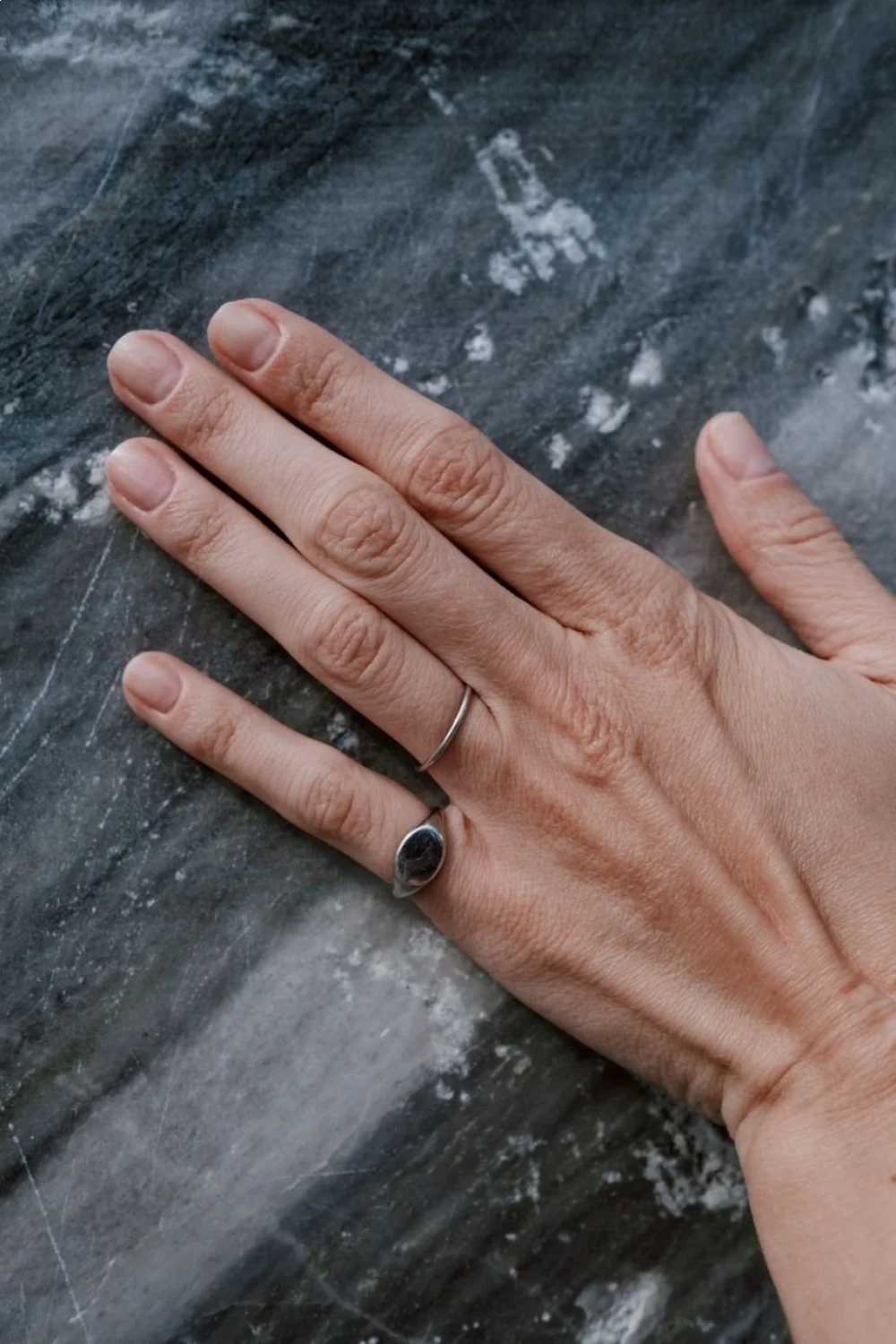
Squoval transcends seasonal nail trends because its balanced proportions complement both minimalist and elaborate styling approaches. Spring pastels, summer brights, autumn jewel tones, and winter metallics all work equally well on this foundational shape. The profile doesn't carry seasonal associations the way stiletto nails evoke high-fashion periods or round shapes suggest casual summer vibes.
Trend cycles in nail shapes show extreme profiles like coffin, stiletto, and ballerina gaining intense popularity for 6-12 month periods before fading, while squoval maintains consistent baseline demand across all trend phases. Industry data from major nail brands indicates squoval requests remain steady even when trendy shapes peak, suggesting it is the reliable default rather than a fashion statement.
Summer activities and vacation wear pair particularly well with squoval's durability advantages. The shape withstands swimming, beach activities, and outdoor recreation better than delicate profiles while still looking polished in resort and travel settings. It works equally well with summer acrylic designs and simple seasonal shades.
Holiday and special event styling adapts easily to squoval foundations. The shape accommodates embellishments for Fourth of July designs, sophisticated matte finishes for formal events, and playful themes like watermelon nails for summer parties. This versatility means maintaining consistent nail shape year-round while varying only the surface decoration.
Professional settings across industries accept squoval as appropriate and polished, unlike more dramatic shapes that may read as unprofessional in conservative environments. The shape signals intentional grooming without making bold personal statements that might conflict with workplace expectations. This practical consideration keeps squoval relevant regardless of fashion trends.
Verdict: Which Squoval Approach for Your Situation
For complete beginners learning nail shaping, start with squoval on natural nails at medium length (3-5mm free edge). This combination provides enough canvas to clearly see the shape characteristics while minimizing consequences of filing mistakes. Use a cushioned 180-grit emery board and file in three deliberate phases, checking symmetry after each corner. Focus on gradual corner removal rather than trying to achieve perfect curves immediately.
Active lifestyle clients prioritizing durability should maintain squoval at shorter lengths (1-3mm) with weekly filing maintenance. This configuration delivers maximum chip resistance and practical functionality while still reading as polished and intentional. Natural nails at this length require minimal product investment — just a quality file and basic cuticle care products for maintenance.
Fashion-forward clients wanting versatility across nail art trends benefit from medium-length squoval (4-7mm) in enhanced formats using gel or acrylic. This length provides adequate canvas for detailed designs and embellishments while the reinforced structure supports the shape without breakage concerns. Budget around $45-65 for initial enhancement application, with $30-45 fill appointments every 2-3 weeks.
Minimal maintenance preferences align well with longer squoval nails (7-10mm) in gel overlay on natural nails. This approach extends time between filing sessions to 10-14 days while gel reinforcement prevents breakage at extended length. The shape tolerates growth particularly well, maintaining recognizable proportions even as nails extend. Expect 2-3 week wear from gel applications before requiring professional removal and reapplication.
Clients with naturally thin or brittle nails should prioritize shorter squoval (2-4mm) with regular cuticle oil application and gentle filing technique. The shape provides maximum structural reinforcement at lengths these nail types can support. Consider press-on nails in squoval profile for special occasions when longer length is desired — modern press-on application techniques deliver temporary length without compromising natural nail health.